The African Development Bank (AfDB) has raised alarms regarding a burgeoning trade finance gap that is jeopardising the prospects of small and medium-sized enterprises (SMEs) across the continent. According to the institution, this gap stands at approximately $4.2 billion, a figure that could stifle economic growth in various African nations, including South Africa, if not addressed urgently.
Understanding the Trade Finance Gap
The trade finance gap refers to the difference between the demand for trade finance and its availability. For African SMEs, this gap is increasingly concerning, as these businesses often struggle to secure the funding necessary to expand operations or enter new markets. Inadequate access to trade financing not only limits their potential but also impacts the overall economic development of their respective countries.
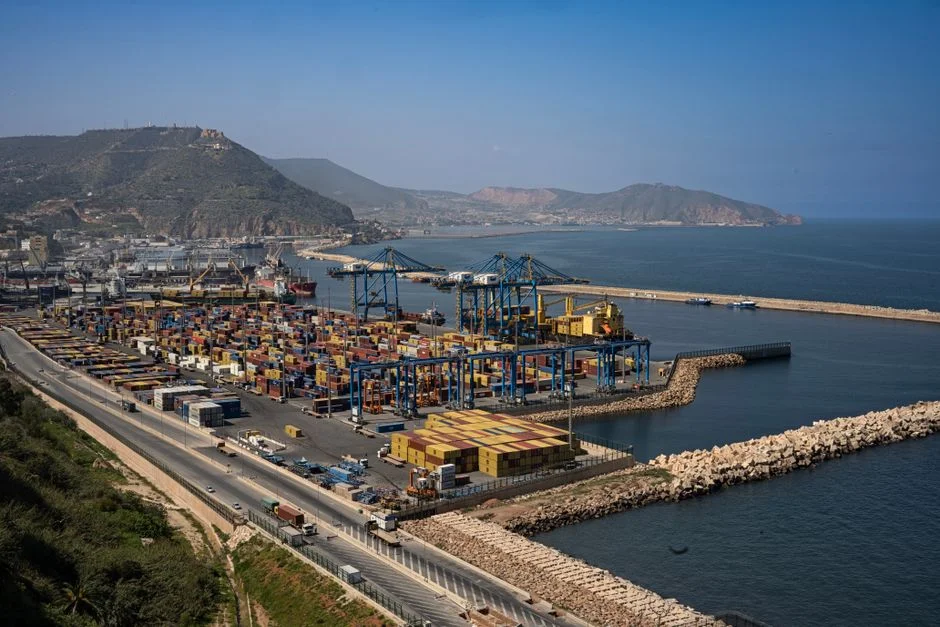
According to a recent AfDB report, the trade finance gap for African SMEs has widened significantly due to various factors, including economic instability, high costs of credit, and insufficient financial infrastructure. This trend poses a serious threat to the region's economic ambitions, particularly in light of the African Continental Free Trade Area (AfCFTA) agreement aimed at boosting intra-African trade.
Market Reaction and Business Implications
Investors have reacted to the AfDB’s findings with increased caution. The availability of trade finance is directly linked to the health of financial markets and the broader economy. A significant gap could deter foreign direct investment and hinder local businesses from scaling up their operations, leading to a stagnant economic environment.
Businesses reliant on trade finance may face rising costs as they struggle to secure necessary funding. This could lead to increased prices for consumers, further impacting the purchasing power of South African citizens, particularly in a challenging economic climate marked by inflation and rising living costs.
Current Challenges Faced by SMEs


SMEs in Africa, which account for over 90% of all businesses on the continent, face unique challenges that contribute to the widening finance gap. Many of these enterprises lack the credit history or tangible assets that traditional banks require for loan approval. This situation forces them to rely on informal financing mechanisms, which are often insufficient and carry higher risks.
Furthermore, according to a study by the International Finance Corporation (IFC), approximately 60% of SMEs in Africa are underbanked, meaning they have limited access to the formal banking sector. The consequences are dire, as this limits their ability to participate in trade and economic activities essential for growth.
Importance of Financial Inclusion
To close the trade finance gap, the AfDB is advocating for increased financial inclusion and innovative financing solutions specifically tailored for SMEs. This includes partnerships with fintech companies, which can leverage technology to offer risk assessment and flexible funding options.
Increasing access to trade financing will not only empower SMEs but also stimulate job creation and enhance overall economic productivity. Financial institutions are being encouraged to adopt more inclusive lending practices, enabling them to cater to the unique needs of SMEs.
Future Projections
As the AfDB continues to address the widening trade finance gap, it is crucial for stakeholders, including governments, financial institutions, and businesses, to collaborate effectively. A concerted effort could lead to innovative solutions that counteract the identified challenges.
Businesses and investors should closely monitor developments from the AfDB, especially regarding initiatives aimed at improving access to trade finance in the coming months. The need for timely interventions is paramount if African economies are to thrive in a competitive global market.
See Also
- US AFRICOM Strike Kills Top ISIS Commander in Nigeria
- Rs 72,000 Crore School Uniform Cost Sparks Debate in South Africa
The consequences are dire, as this limits their ability to participate in trade and economic activities essential for growth.Importance of Financial InclusionTo close the trade finance gap, the AfDB is advocating for increased financial inclusion and innovative financing solutions specifically tailored for SMEs. Many of these enterprises lack the credit history or tangible assets that traditional banks require for loan approval.