Mozambique’s Niassa Reserve has become a focal point for a controversial debate over wildlife conservation, as local hunters and conservationists clash over the role of trophy hunting in protecting Africa’s natural heritage. The reserve, one of the largest in the country, is home to nearly 10,000 elephants, but its future is under threat from both poaching and shifting global attitudes toward big-game hunting. The debate has drawn attention from international investors and environmental groups, who are closely watching how the region’s approach to wildlife management could influence broader economic and environmental policies across the continent.
The Niassa Reserve: A Hub for Conservation and Controversy
The Niassa Reserve, spanning over 42,000 square kilometers in northern Mozambique, has long been a stronghold for wildlife. However, the area has also faced pressure from illegal poaching, with elephant populations declining by 30% over the past decade. Local hunters argue that regulated trophy hunting can provide critical funding for conservation efforts. “We’re not just shooting animals; we’re protecting them,” says João Ferreira, a registered hunter and landowner in the region. “The revenue from permits helps fund anti-poaching units and supports local communities.”
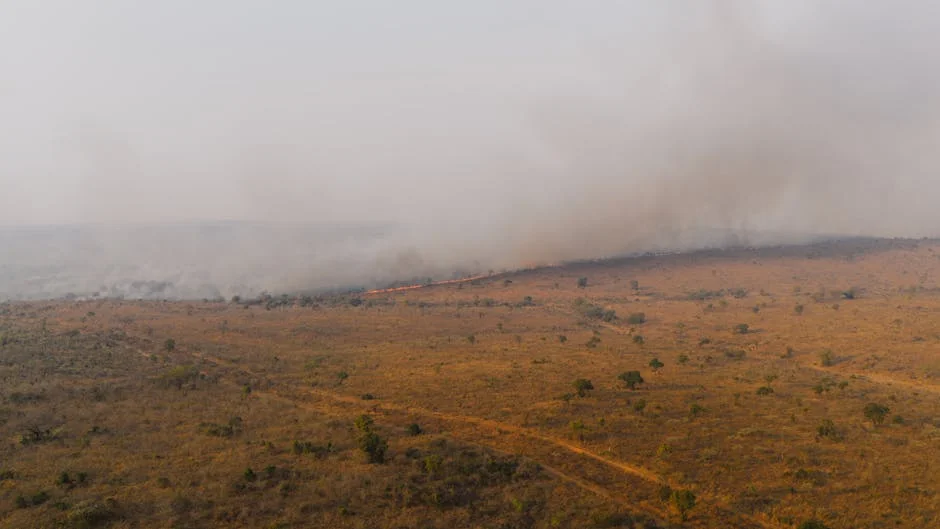
The government of Mozambique has taken a cautious approach, allowing limited hunting under strict quotas. However, international pressure has grown, with some countries banning imports of hunting trophies. This has led to a decline in demand, affecting the financial sustainability of conservation projects. “If we lose this source of income, we lose the ability to protect the land,” warns Ferreira. The situation has drawn the attention of investors, who are evaluating whether to fund conservation initiatives that align with global environmental trends.
Investor Concerns and Market Reactions
The debate over trophy hunting has had a ripple effect on the investment landscape in Africa. Many international fund managers are reevaluating their portfolios, prioritising projects that align with sustainable and ethical practices. “Investors are increasingly looking for environmental, social, and governance (ESG) compliance,” says Dr. Amina Nkosi, an economist at the University of Cape Town. “Regions that fail to adapt risk losing access to critical capital.”
Despite this, some investors remain optimistic about the Niassa Reserve’s potential. A recent report by the African Development Bank highlighted the region’s ecological and economic value, estimating that sustainable tourism and conservation could generate up to $150 million annually. However, the report also warned that without a clear transition strategy, the reserve could face long-term financial instability. “The challenge is balancing conservation with economic viability,” says Nkosi. “This is a test case for the future of wildlife management in Africa.”
Local Businesses and Economic Impacts


The controversy has also affected local businesses in the Niassa area. Tour operators and lodges that rely on both hunting and wildlife tourism are feeling the strain. “We’re seeing a drop in bookings from international clients who are concerned about the ethics of trophy hunting,” says Maria dos Santos, owner of a safari lodge in the reserve. “This is a big hit to our income.”
At the same time, some local communities are benefiting from alternative conservation models. The Niassa Community Conservation Project, a partnership between the Mozambican government and the World Wildlife Fund, has trained over 500 locals as rangers and eco-tourism guides. “This is a better future for our people,” says project manager Luis Mendes. “We’re not just protecting animals—we’re protecting livelihoods.”
Looking Ahead: A Crucial Decision Point
As the debate over trophy hunting continues, the future of the Niassa Reserve remains uncertain. The next few months will be critical, with the Mozambican government expected to announce new policies on wildlife management. Investors and conservationists are closely watching, aware that the outcome could set a precedent for similar regions across Africa.
The coming months will also see the release of a major international report on the economic impact of trophy hunting, which could influence global market trends. For now, the people of Niassa are navigating a delicate balance between tradition, conservation, and economic survival. What happens here could shape the future of wildlife management in Africa for years to come.
See Also
- Oeste Los Spurs Overcome Celtics: Wembanyama Shines in Thrilling Clash
- Colamos Exposes Loss of Elefante in Judas: What It Means for South Africa's Future