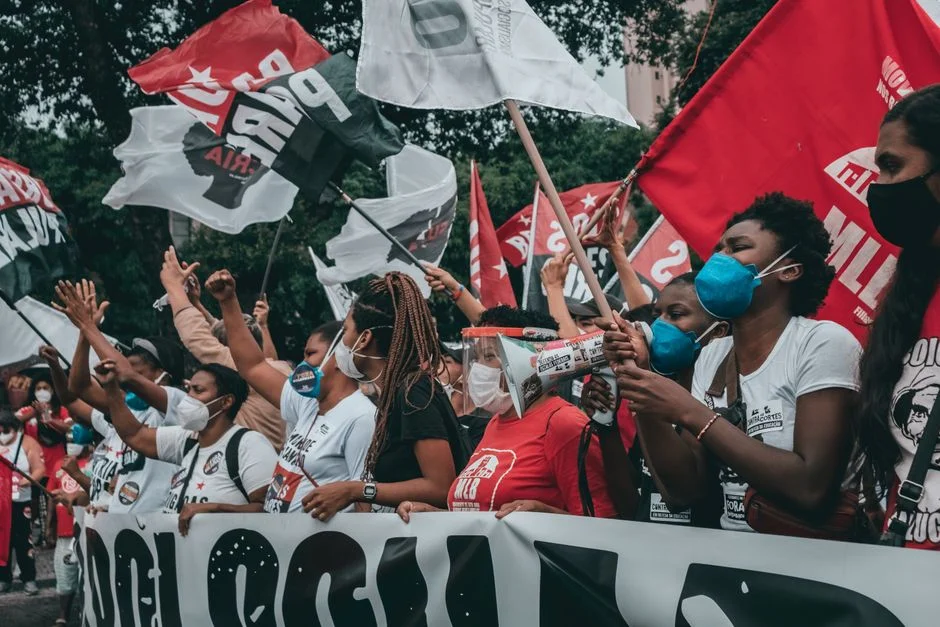
Trevor Noah has broken his silence on the wave of xenophobic attacks sweeping across South Africa, issuing a direct challenge to President Cyril Ramaphosa and his cabinet: act before June 30 or face the consequences. The comedian, who has built a global platform from his experiences growing up during apartheid, posted a video statement on Monday calling the violence "a stain on our nation's reputation" that threatens to derail years of economic recovery efforts.
A comedian's warning carries economic weight
Noah's intervention matters because his voice resonates with international audiences who shape investment decisions. His 22 million Twitter followers and millions more across his podcast and live tours represent precisely the kind of global opinion that moves markets. When Noah speaks about South Africa, institutional investors pay attention—not because they follow comedy, but because they track reputational risk.
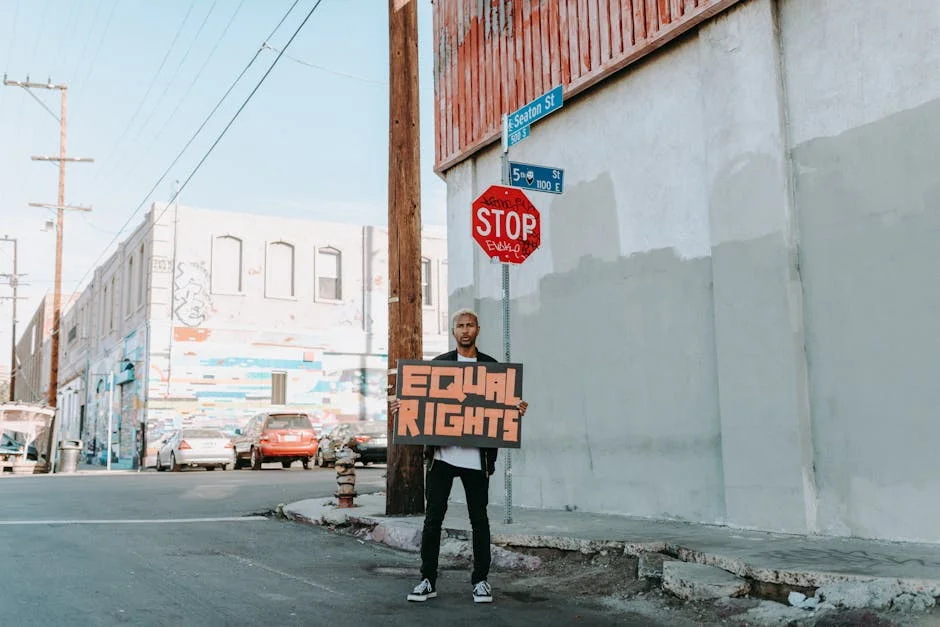
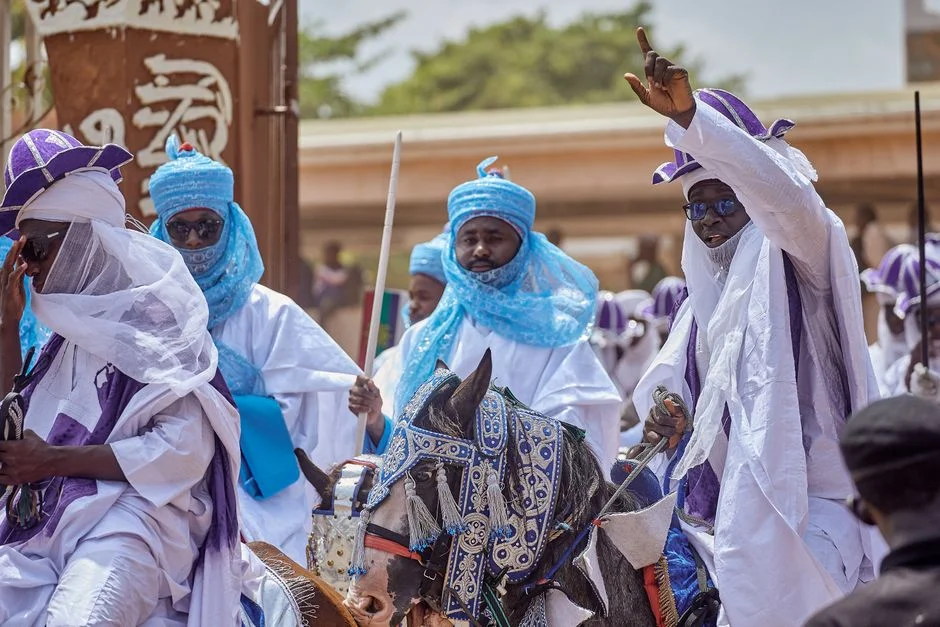
The June 30 deadline Noah references appears connected to a coordinated ultimatum from the Nigerian government, which has warned it will evacuate citizens from South Africa unless the Ramaphosa administration demonstrates concrete progress in protecting foreign nationals. Nigeria is South Africa's largest trading partner on the continent, with bilateral commerce exceeding $7.2 billion annually. An evacuation would signal a diplomatic breakdown that markets cannot ignore.
Business leaders sound the alarm
The Johannesburg Stock Exchange has shown jitters in recent weeks, with the rand sliding 3.4% against the dollar since attacks began in the Johannesburg township of Alexandra. Foreign investors have started asking difficult questions during earnings calls with South African multinationals, probing whether the violence will disrupt supply chains or force closures of factories staffed by foreign workers.
The South African Chamber of Commerce and Industry warned this week that each day of violence costs the economy an estimated R850 million in destroyed property, interrupted operations, and cancelled investment commitments. Businesses operating in township economies—where foreign nationals often run informal retail operations—are bearing the brunt, with over 200 shops looted or burned since mid-June.
Major international retailers with South African operations are conducting emergency security reviews. Sources familiar with corporate planning meetings say at least two multinational fast-food chains have activated contingency protocols for withdrawing non-essential personnel from affected areas.
The diplomatic dimension
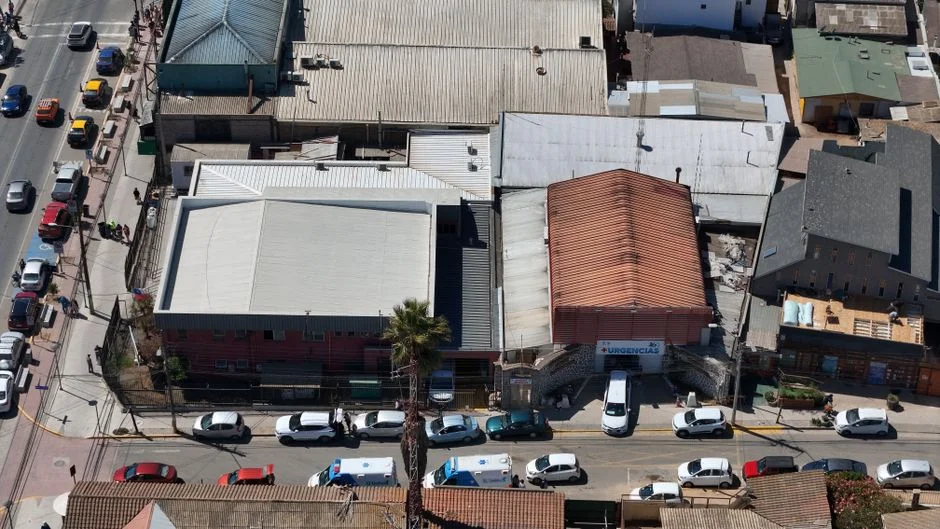
Ramaphosa dispatched Deputy President David Mabuza to meet with representatives from Nigeria, Zimbabwe, and Kenya this week, attempting to defuse tensions before the diplomatic timeline expires. A joint statement from those meetings promised "swift and decisive action," but provided no specifics on how security forces would prevent further attacks in areas like Pretoria West and the Durban suburb of Verulam.
The pressure extends beyond Africa. American Chamber of Commerce representatives in Johannesburg have requested briefings with police officials, citing member concerns about employee safety. European Union ambassadors have formally requested government assurances that EU citizens will be protected—a request that carries weight given the EU is South Africa's largest foreign investor, with cumulative direct investment exceeding €26 billion.
Tourism sector braces for impact
The travel industry faces immediate consequences. Booking data from several international travel agencies shows a 12% decline in South African travel reservations for July and August compared to the same period last year. Safari lodges and Cape Town hotels, which rely heavily on international visitors, are quietly offering discounted rates to retain bookings already made.
South Africa's tourism board has declined to comment on specific booking figures, but a spokesperson acknowledged that "external perception challenges" are being monitored closely. The sector employs over 1.5 million South Africans and contributes roughly 7% of GDP—a contribution that cannot afford a sustained downturn in the crucial winter season.
What happens next
The deadline Noah invokes is now just 11 days away. Nigerian officials have confirmed they are monitoring the situation daily, with Foreign Minister Yusuf Tuggar stating that Abuja expects "visible improvements in security" before considering the evacuation threat withdrawn. That language leaves significant room for interpretation—and that ambiguity is precisely what investors find unsettling.
Ramaphosa faces competing pressures: a cabinet that wants firm action against perpetrators, a police force stretched thin by regular crime demands, and an opposition that smells political opportunity. The African National Congress cannot afford to appear soft on lawlessness ahead of local elections, yet heavy-handed responses could inflame tensions further.
Economists at three major South African banks have flagged the situation in their weekly market notes, describing the attacks as a "known risk variable" that complicates the Reserve Bank's inflation management. The current base lending rate of 8.25% already reflects tight monetary policy; further instability could force reconsiderations that touch mortgage rates and business lending across the economy.
Watch this space: the period between now and June 30 will determine whether South Africa retains its investment-grade rating from two of three major agencies. Moody's has already placed South Africa on negative outlook, citing structural weaknesses—and xenophobic instability gives rating agencies exactly the justification they need for downgrades that raise borrowing costs for every South African business and homeowner.
See Also
- India Pushes BRICS Institutional Reform to Stabilize Global Markets
- Valencia Stuns Barcelona as Sadiq Umar Ends Drought in Crucial Relegation Clash
The current base lending rate of 8.25% already reflects tight monetary policy; further instability could force reconsiderations that touch mortgage rates and business lending across the economy.Watch this space: the period between now and June 30 will determine whether South Africa retains its investment-grade rating from two of three major agencies. American Chamber of Commerce representatives in Johannesburg have requested briefings with police officials, citing member concerns about employee safety.