The long-acting anti-HIV injection has arrived in South Africa, offering a twice-yearly alternative to daily oral pills for people at risk of infection. Healthcare providers across the country are now fielding questions about access, cost, and how the jab fits into the national HIV prevention strategy. The rollout comes at a time when South Africa's public health system is under severe financial strain, making the economics of this new intervention as important as its clinical data.
What the jab does and who can get it
The injection delivers cabotegravir, an antiretroviral drug that suppresses viral replication when administered every two months. Unlike oral PrEP, which requires daily adherence, the injectable formulation maintains protective drug levels for weeks after each dose. The South African Health Products Regulatory Authority approved the jab in 2022, but supply constraints and pricing negotiations delayed its introduction to the public sector until now.

Gauteng and KwaZulu-Natal are the first provinces to receive stock through government clinics, with Western Cape facilities expected to follow within the next quarter. Community health workers have begun outreach in high-prevalence districts, targeting young women and key populations where new infection rates remain highest.
How much does it cost, and who pays?
The price has been the central obstacle. ViiV Healthcare, the drug's manufacturer owned in part by GlaxoSmithKline, initially priced the injection at over R4,500 per dose in private markets. That figure translates to roughly R27,000 per person annually — far beyond what most South Africans can afford out of pocket.
The government has negotiated a discounted supply agreement, though officials have not publicly disclosed the exact per-dose cost under the new arrangement. The Clinton Health Access Initiative confirmed it assisted with pricing talks, aiming to bring the treatment within reach of public health programmes. For investors watching the pharmaceutical sector, the South Africa deal signals that ViiV is willing to accept lower margins in exchange for volume in high-burden markets.
Market implications for healthcare providers


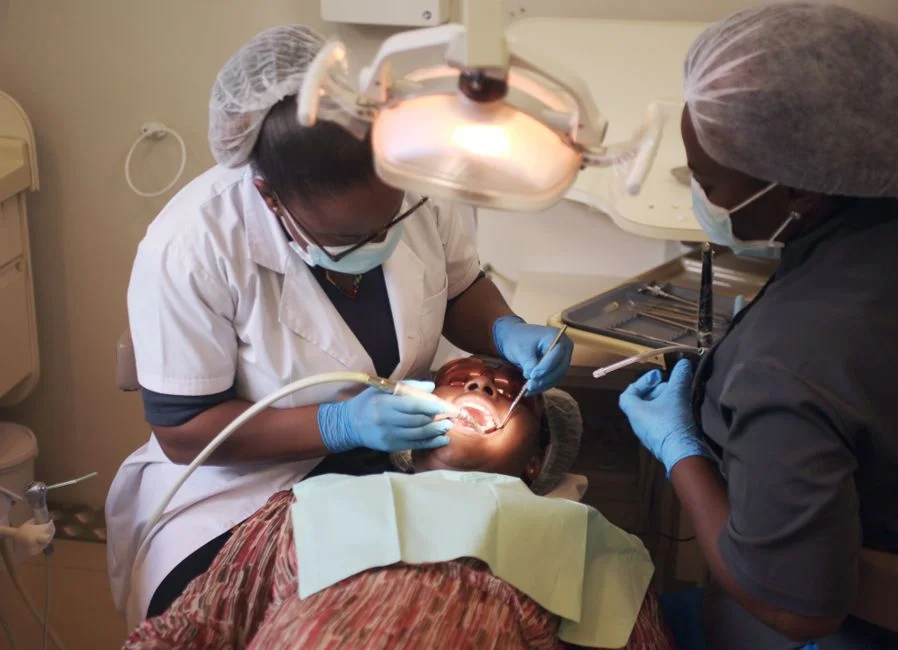
Private clinics and pharmacies are watching the rollout closely. If demand for the injection grows, companies offering administration services stand to gain. The procedure requires a trained healthcare worker and cold-chain storage, adding logistical costs that will likely be passed on to patients or medical schemes.
Medical aid schemes operating in South Africa must decide whether to cover the injection and at what co-payment level. The Council for Medical Schemes has issued guidance suggesting schemes should consider the long-term value of prevention, but has stopped short of mandating coverage. That ambiguity creates uncertainty for investors evaluating listed healthcare groups.
The economic argument for prevention
South Africa has the world's largest antiretroviral therapy programme, treating over five million people. The annual cost of HIV care consumes a substantial portion of the health budget. Each new infection carries a lifetime treatment cost that economists estimate exceeds R200,000 per patient.
If the injection reduces new infections among high-risk groups by even a modest percentage, the downstream savings to the public health system could be substantial. The National Treasury will be watching infection rate data over the next eighteen months to assess whether the investment delivers measurable returns. That calculation matters not just for public health, but for fiscal sustainability.
Pharmaceutical sector reaction
ViiV Healthcare's parent companies have seen mixed investor sentiment around the injection's global rollout. The South African market represents a fraction of potential revenue compared to the United States or Europe, but the deal establishes a precedent for pricing in lower-income countries. Analysts note that successful implementation here could unlock similar negotiations in Kenya, Uganda, and Tanzania.
Local pharmaceutical distributors are also positioning themselves. Ascendis Health and other firms with exposure to public sector supply contracts could benefit if the government expands distribution beyond initial pilot sites. The question for investors is whether margins on government contracts will be sufficient to move needle on share prices.
What happens next
The first injection sites opened in Johannesburg and Durban this month. Healthcare workers are being trained on administration protocols, storage requirements, and how to manage the small risk of injection site reactions. Patients switching from oral PrEP must complete a one-month oral lead-in period before transitioning to injections.
Watch for the Department of Health to release updated infection rate projections in its mid-year epidemiological review. If new infection rates begin declining in districts where the jab is available, pressure will mount to accelerate expansion. That data will also inform whether Treasury allocates additional funding for the programme in the February budget speech.
For now, the anti-HIV injection represents both a public health opportunity and an economic experiment. Whether it delivers value for patients and taxpayers alike depends on keeping prices accessible and ensuring supply can meet what could be significant demand.
See Also
- Kolathur Main Road Development Sparks Civic Debate — South Africa Watched Closely
- Kolkata Musician Builds Scene Amid Air Raids — and Sparks Economic Interest
Analysts note that successful implementation here could unlock similar negotiations in Kenya, Uganda, and Tanzania. Whether it delivers value for patients and taxpayers alike depends on keeping prices accessible and ensuring supply can meet what could be significant demand.