Interpol has documented 1,934 improvised explosive device attacks across Nigeria, a figure that security analysts say signals growing volatility in Africa's largest economy and raises fresh questions about regional investment stability. The data, reported by Vanguard News, places the West African nation among the world's most heavily affected countries by explosive violence, with the frequency of attacks creating measurable headwinds for foreign direct investment and supply chain operations. For South African businesses with interests or exposure to the region, the numbers demand attention.
Security Landscape Deteriorates
The 1,934 IED incidents recorded by Interpol represent a stark indicator of the operational environment facing companies operating in Nigeria. Improvised explosive devices have become the weapon of choice for multiple armed groups across the country's north and middle belt regions, targeting infrastructure, security forces, and civilians alike. Vanguard News noted that the attacks have disrupted transport corridors essential for moving goods between northern production zones and southern ports.

The geography of violence matters enormously for investors. Nigeria's agricultural heartland in the north has seen production capacity constrained by insecurity, while manufacturing centres in Lagos and the Niger Delta face their own distinct risk profiles. Companies assessing entry or expansion in the Nigerian market must now factor in security costs that were previously considered peripheral rather than central to business planning.
Investor Confidence Takes a Hit
International capital has grown increasingly selective about emerging market exposure, and Nigeria's security metrics provide additional justification for caution. South African firms with Nigerian operations or joint ventures face a double pressure: protecting personnel and assets while maintaining competitive pricing in markets already strained by currency volatility. The naira has weakened substantially against the rand over recent years, compressing cross-border returns for Johannesburg-listed companies with Nigerian revenue streams.
Insurance costs for Nigerian operations have climbed as underwriters reassess risk models. Coverage for assets in high-risk corridors now carries premiums that eat into profit margins, making certain investments economically unviable that would have been considered feasible under earlier security conditions. Reinsurers operating in Lagos and Port Harcourt have tightened terms for policies covering facilities in areas flagged for elevated threat levels.
Supply Chain Disruptions Spread Economic Pain


Beyond the immediate human toll, IED attacks on roads, bridges, and pipelines create cascading effects throughout the economy. The Transportation of goods from northern Nigeria to coastal export facilities has become unreliable, forcing some manufacturers to maintain larger inventories as buffer against delivery interruptions. That capital tied up in stock represents an opportunity cost that reduces overall efficiency and competitiveness.
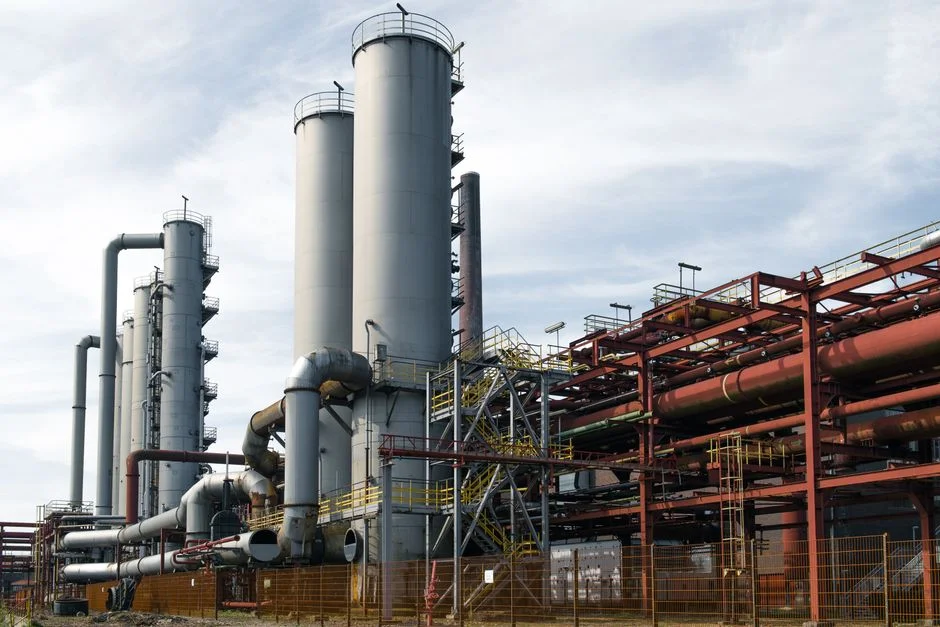
Energy infrastructure has not escaped attention. Attacks on oil pipelines in the Niger Delta periodically disrupt production and export flows, influencing global crude prices that affect South African fuel costs. The country's reliance on imported refined products means that supply shocks originating in Nigeria can translate into higher pump prices for South African consumers within weeks.
Regional Economic Integration Under Strain
The African Continental Free Trade Area was designed partly around the premise that improved infrastructure and reduced tariffs would encourage greater cross-border commerce. Nigeria's security challenges complicate this vision. Businesses considering regional expansion now weigh security stability alongside market size and tariff advantages. Countries perceived as stable, including South Africa, may attract investment diverted away from higher-risk neighbours, but that reallocation comes with its own complications as competitive pressures shift.
Operational Adjustments Become Necessity
Multinational corporations have responded by restructuring their Nigerian footprint. Some have consolidated operations into fortified compounds in major cities, abandoning distributed networks that once served smaller markets across the north. Others have shifted to local partnerships that transfer certain operational risks to Nigerian-owned entities better positioned to navigate security dynamics.
Technology has emerged as a partial solution. Remote monitoring systems, drone surveillance for logistics routes, and encrypted communication networks allow some companies to maintain visibility over operations in areas too dangerous for frequent physical inspection. However, these systems require significant capital expenditure that smaller enterprises cannot afford, creating a two-tier operating environment where large multinationals maintain resilience while local businesses absorb the shocks.
What Comes Next
Interpol's documentation of Nigeria's attack figures will likely influence how international institutions assess country risk ratings. The next annual update from the organisation's explosive ordnance databases will determine whether the trend is stabilising or accelerating. For South African investors monitoring their Nigerian portfolios, quarterly earnings reports from companies like MTN Nigeria, Shoprite, and Multichoice will provide early signals about how security costs are flowing through to bottom-line performance.
The Nigerian government faces pressure to demonstrate progress before the next assessment cycle. Military operations in affected regions continue, but the ability of security forces to suppress IED campaigns remains contested. Companies planning long-term investments in West Africa should prepare contingency scenarios for both improvement and deterioration in the security environment over the next eighteen months.
See Also
- Reserve Bank of India Demands Forex Deal Transparency — What It Means for Africa
- ANC and SACP Alliance Faces Economic Impact — Political Merry Explored
The country's reliance on imported refined products means that supply shocks originating in Nigeria can translate into higher pump prices for South African consumers within weeks. Some have consolidated operations into fortified compounds in major cities, abandoning distributed networks that once served smaller markets across the north.