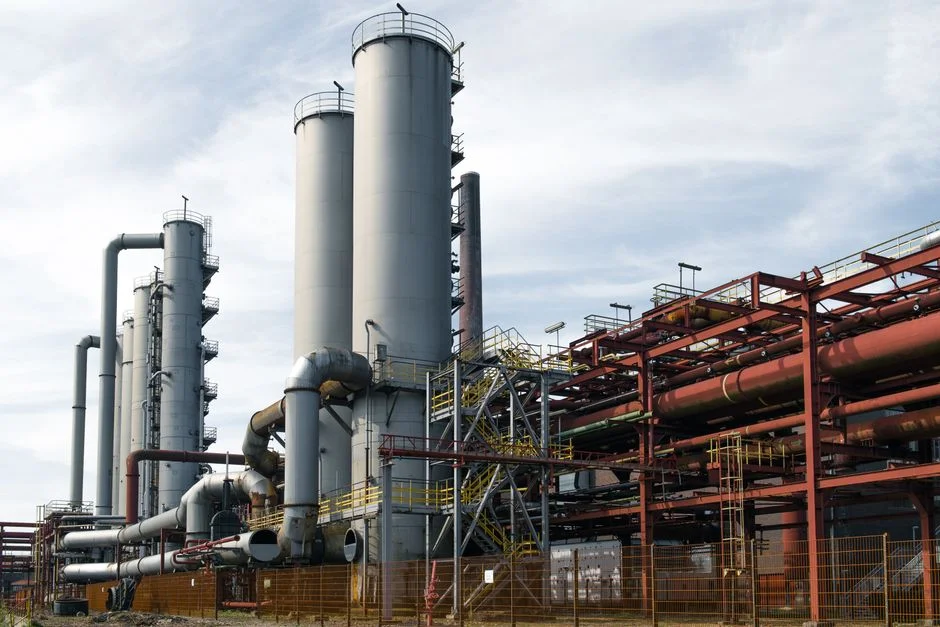
Nigeria’s oil sector faces a critical juncture as the United Arab Emirates prepares to withdraw from key trading arrangements, a move that threatens to destabilize regional supply chains. Wole Ogunsanya, a leading voice from the Petroleum Technology Association, has issued a stark warning to Abuja. He urges the Nigerian government to secure new buyers immediately to prevent a price collapse and revenue shortfall. This development sends ripples through global energy markets, particularly affecting investors in Lagos and Johannesburg who rely on stable West African crude flows.
The UAE Withdrawal and Market Vulnerability
The United Arab Emirates has long been a strategic partner in West African energy logistics. Its exit signals a shift in geopolitical alliances and trading preferences. This change forces Nigeria to rethink its export strategies. The Abuja government must act swiftly to fill the void left by Dubai’s traders. Failure to do so could lead to a glut of unsold crude in Nigerian terminals.
Market analysts are closely monitoring the Dubai Mercantile Exchange for early signals of price adjustments. Any hesitation from Nigerian officials could result in a discount on the benchmark Bonny Light crude. Investors in energy commodities are already adjusting their portfolios. The uncertainty surrounding the UAE’s role creates volatility. This volatility directly impacts the valuation of Nigerian oil stocks.
Economic Implications for Nigeria’s Budget
Nigeria relies heavily on oil revenues to fund its national budget. A disruption in exports translates directly into fiscal pressure. The Central Bank of Nigeria may need to intervene to stabilize the Naira. If crude prices drop, the value of the national currency could weaken further. This weakening affects the cost of imports, driving up inflation for ordinary citizens in cities like Lagos and Port Harcourt.
The government’s ability to service its external debt depends on steady oil income. Delays in securing new buyers could force Nigeria to tap into its foreign reserves. This scenario is concerning for rating agencies monitoring the country’s creditworthiness. A downgrade could increase borrowing costs for Nigerian businesses. The economic ripple effects extend beyond the energy sector, touching manufacturing and services.
Impact on Local Businesses and Supply Chains
Local refining plants in Nigeria depend on a steady supply of crude. If exports stall, domestic refineries might face feedstock shortages. This shortage could lead to higher pump prices for petrol and diesel. Businesses that rely on transportation, such as logistics firms in Lagos, will see their operational costs rise. Higher transport costs are often passed on to consumers, fueling inflation.
Small and medium enterprises in the energy sector are also at risk. Many of these firms operate on thin margins. A sudden drop in oil prices or a delay in payments from buyers can cripple their cash flow. The uncertainty creates a wait-and-see approach among local investors. This hesitation can slow down capital expenditure plans across the economy.
Investor Perspective: Risks and Opportunities


For international investors, the situation in Nigeria presents both risks and opportunities. The immediate risk is price volatility in the West African crude market. However, the need for new buyers creates an opening for other nations. Countries like India, China, and even South Africa could step in as alternative buyers. This shift could lead to new long-term trading agreements.
Investors should watch for announcements from the Nigerian National Petroleum Company. Any new contracts with emerging buyers will be seen as a positive signal. Conversely, delays in negotiations will be interpreted as a sign of bureaucratic inefficiency. The stock performance of major Nigerian oil firms, such as Nigeria LNG and Seplat Energy, will reflect these developments. Smart investors are diversifying their exposure to mitigate the UAE-related uncertainty.
Regional Stability and OPEC Dynamics
The stability of West Africa’s oil market has broader implications for OPEC. Nigeria is one of the cartel’s key members. If Nigeria struggles to sell its crude, it may need to adjust its production quotas. This adjustment could trigger a chain reaction within OPEC. Other members might increase production to fill the gap, leading to a potential price war. Such a scenario would affect oil prices globally, including in Europe and Asia.
Regional neighbors like Ghana and Angola are also watching the situation. They may adjust their own export strategies in response to Nigeria’s moves. The competition for buyers could intensify. This competition might force countries to offer better terms or discounts. While this benefits buyers, it could squeeze the profit margins of producing nations. The geopolitical balance in West Africa is subtly shifting.
South Africa’s Energy Market Connection
South Africa is not directly importing large volumes of Nigerian crude, but the connection exists through global pricing mechanisms. The price of Brent Crude, which influences the price of South African petrol, is sensitive to West African supply. If Nigeria’s exports falter, the global supply tightens, potentially pushing Brent prices higher. This increase directly affects fuel costs in Johannesburg and Cape Town.
South African energy traders are monitoring the Nigerian situation closely. Any disruption in West Africa could affect the availability of refined products in the region. This is particularly relevant for South Africa’s refining industry, which imports both crude and products. The stability of Nigeria’s oil market is therefore a key external factor for South Africa’s energy security. Investors in South African energy stocks should factor in this regional volatility.
Strategic Recommendations for Nigerian Officials
The Nigerian government must take decisive action to mitigate the risks posed by the UAE’s exit. This involves diversifying the buyer base beyond traditional partners. Engaging with emerging markets in Asia and Europe is crucial. The government should also streamline the export process to make Nigerian crude more attractive to buyers. Reducing bureaucratic hurdles can speed up transactions and improve cash flow.
Transparency is another key recommendation. Regular updates on inventory levels and export volumes can help stabilize market expectations. This transparency will boost investor confidence. The Petroleum Technology Association’s warning should serve as a catalyst for immediate policy reviews. The time for action is now, as market sentiment can shift rapidly. Proactive measures will help Nigeria navigate this transitional period.
Global Energy Transition Context
This event occurs against the backdrop of the global energy transition. As the world moves towards renewable energy, the demand for crude oil is becoming more sensitive to supply shocks. Nigeria must position itself as a reliable supplier in a changing market. This requires not just finding new buyers, but also investing in infrastructure to reduce production costs. The UAE’s exit highlights the need for adaptability in the oil sector.
The shift in trading patterns also reflects broader economic trends. Countries are seeking to reduce dependency on single partners. Nigeria’s experience is a lesson in the importance of diversification. This lesson applies to other commodities as well. The energy sector is just the beginning. Other export-driven economies in West Africa are likely to follow suit. The global energy landscape is evolving, and Nigeria must evolve with it.
What to Watch Next
Investors and analysts should monitor the next quarterly report from the Nigerian National Petroleum Company. This report will reveal the extent of the impact of the UAE’s exit. Look for new signing ceremonies or press releases announcing deals with new buyers. The reaction of the Naira to these announcements will also be a key indicator. Finally, watch for any statements from OPEC regarding production adjustments. These developments will provide clarity on the future trajectory of Nigeria’s oil market and its broader economic implications.
See Also
- Ninety One Defies Market Turmoil With March Strategy Reveal — Cape Town Reacts
- Former Indian Army Chief Reveals US Offer During Operation Cactus — Key Details Inside