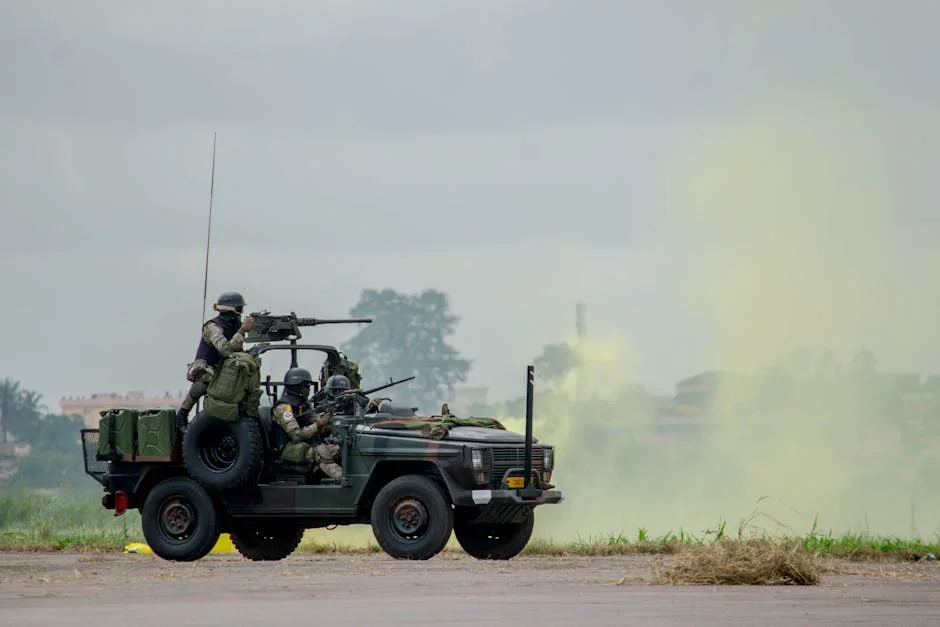
The United States military has intensified its aerial bombardment campaign against Islamic State (ISIL) fighters in northeastern Nigeria. These strikes target key insurgent strongholds in Borno State, aiming to reclaim territory and stabilize the region. The escalation introduces fresh volatility to an already fragile economic landscape in West Africa. Markets in Lagos reacted swiftly, with the Naira facing renewed pressure against the Dollar. Investors are now recalibrating their risk models for the broader Sahel region.
Immediate Market Reactions
Financial markets do not sleep when bullets fly. The announcement of renewed US military involvement sent immediate ripples through the Johannesburg Stock Exchange. South African investors, who hold significant exposure to Nigerian equities and bonds, watched the Nigerian Naira fluctuate sharply. The currency lost ground as traders priced in the potential for prolonged conflict. This volatility is not merely a statistical blip; it represents real capital erosion for foreign portfolio investors.

Businesses operating in the region are already feeling the pinch. Supply chains that traverse the border between Nigeria and Cameroon face new uncertainties. Logistics companies are raising freight costs to hedge against potential road closures in Maiduguri. These increased operational costs inevitably trickle down to consumers and corporate profit margins. The ripple effect extends beyond the immediate theater of war, impacting regional trade flows.
Economic Consequences for Nigeria
Nigeria’s economy is heavily reliant on stability to attract foreign direct investment. The presence of US military assets signals that the threat level remains critically high. This perception deters new capital inflows, particularly in the energy and agricultural sectors. Oil production in the Niger Delta and the North may face disruptions due to logistical bottlenecks. Every barrel of oil delayed translates to revenue lost for the Federal Ministry of Finance.
The fiscal implications are severe for the Abuja government. Defense spending inevitably swells when external partners join the fray. While US support provides tactical advantages, it also comes with conditionalities and local logistical burdens. These expenditures divert funds from critical infrastructure projects and social welfare programs. The opportunity cost of security spending is a slower pace of economic diversification. This dynamic keeps the Nigerian economy tethered to oil prices and security updates.
Impact on South African Investors


South African corporations have a substantial footprint in the Nigerian market. Companies like MTN Group and Standard Bank operate extensively in Lagos and Abuja. Any escalation in security threats directly impacts their operational continuity and asset values. Shareholders in Johannesburg are closely monitoring the security briefings from these multinationals. A sustained increase in security premiums could compress net profit margins for these firms.
Retail investors in South Africa also feel the indirect effects. The Nigerian Naira is a key component of the MSCI Africa Index. Volatility in Nigeria drags down the broader regional index, affecting unit trusts and exchange-traded funds held by South Africans. This correlation means that a security crisis in Borno State can influence the retirement savings of a teacher in Cape Town. The interconnectedness of African capital markets makes isolation from regional shocks nearly impossible.
Regional Trade Disruptions
The land bridge between West and Central Africa is under threat. Trade routes passing through Nigeria are vital for the Economic Community of West African States. Disruptions in Borno State affect the flow of goods to Niger and Chad. These landlocked neighbors depend on Nigerian ports for a significant portion of their imports. When the road closes, prices rise, and inflation spreads across borders.
South African exporters to West Africa face new hurdles. Agricultural products and manufactured goods from the Randburg industrial hub may face longer transit times. Delays increase the cost of doing business for South African firms selling to Nigerian consumers. This friction reduces competitiveness against Asian and European rivals who may have more diversified logistics networks. The strategic importance of securing the Nigerian corridor cannot be overstated.
Investment Perspective and Risk Assessment
From an investment standpoint, the situation in Nigeria presents a classic risk-reward dilemma. The market is large and growing, but the security premium is rising. Analysts are advising caution for short-term traders, while long-term holders may see this as a buying opportunity. The key metric to watch is the stability of the Naira-Dollar exchange rate. A stable currency often signals confidence in the broader economic management.
Insurance premiums for assets in the region are likely to increase. Political risk insurance becomes a critical line item for companies operating in Abuja. These costs are factored into the cost of capital, making borrowing more expensive for Nigerian businesses. Higher borrowing costs can slow down expansion plans and hiring, affecting job creation. The labor market, a key driver of consumer demand, thus faces indirect pressure from security developments.
Broader Implications for the Sahel
The fight against ISIL in Nigeria does not exist in a vacuum. It is part of a wider regional struggle that includes Niger, Chad, and Cameroon. Instability in one country often spills over into its neighbors. This regional contagion effect keeps investors on edge. The US military involvement signals that the threat is perceived as transnational and persistent. This perception influences how global capital allocates funds across the Sahel.
South Africa’s strategic interest in the Sahel extends beyond immediate trade. The region is a key destination for South African mining and financial services firms. A destabilized Sahel means a less predictable business environment for these sectors. The South African Reserve Bank monitors these geopolitical shifts closely. Their monetary policy decisions may be influenced by the flow of capital in and out of the region. The interplay between security and monetary policy is becoming increasingly complex.
What to Watch Next
The coming weeks will be critical in determining the economic trajectory. Investors should monitor the quarterly earnings reports of major South African firms with Nigerian exposure. Look for specific mentions of security costs and supply chain delays. The Federal Government of Nigeria is expected to announce new fiscal measures to support affected regions. These announcements will provide clues about the government’s economic priorities.
Global oil prices will also serve as a barometer for stability. Any disruption in Nigerian oil output will be reflected in the Brent Crude price. South African fuel prices are directly linked to these global fluctuations. A rise in oil prices will increase the cost of living in South Africa, affecting consumer spending power. Keep a close eye on the Nigerian Central Bank’s intervention in the foreign exchange market. Their moves will signal confidence or concern about the Naira’s resilience. The next major milestone is the upcoming fiscal budget vote in Abuja, which will reveal the scale of economic support for the security sector.
See Also
- Realising Offshore Development Triggers Debate on South Africa's Economic Future
- Nigeria's Power Crisis Exposes $4.2 Billion World Bank Funding Failure