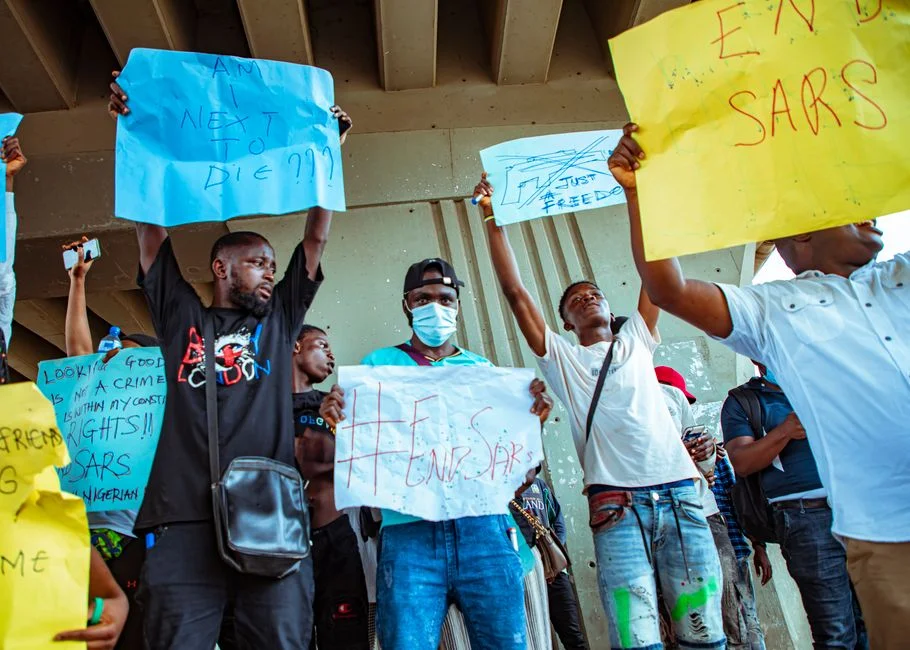
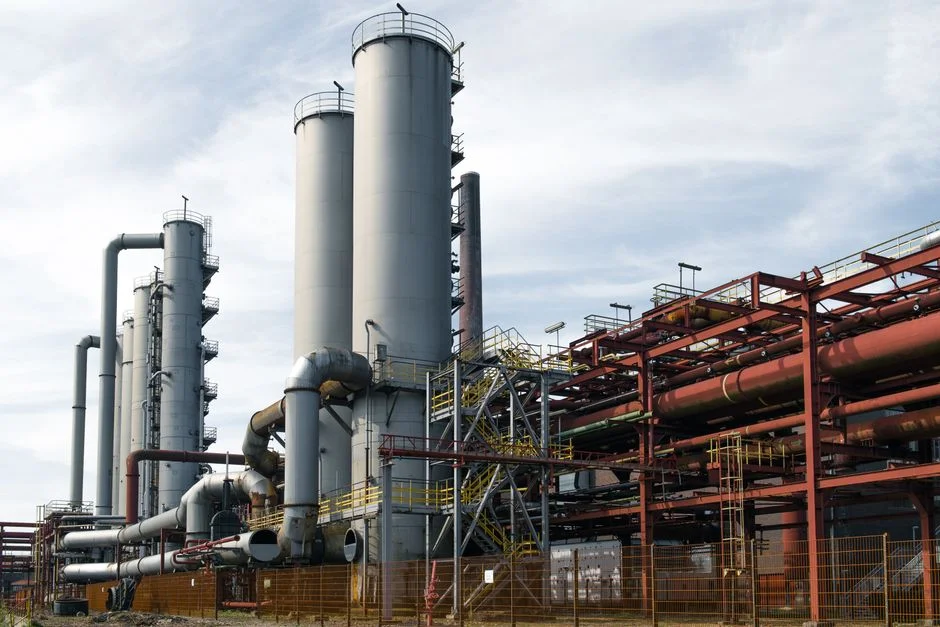
Nigeria's oil sector faced fresh disruption on Thursday as workers launched a nationwide strike, prompting the Nigerian Upstream Petroleum Regulatory Commission to pledge that production would remain steady. The industrial action immediately raised concerns about output levels in Africa's largest crude producer, where daily production averages around 1.5 million barrels. NUPRC Chief Executive Gbenga Komolafe addressed media in Abuja, stating that contingency measures were already in place to safeguard operations throughout the strike period.
What Triggered the Walkout
The strike stems from a dispute over wages and working conditions that has simmered for months between oil companies and their workforce. Union leaders from the Petroleum and Natural Gas Senior Staff Association of Nigeria held talks with employers in Lagos last week, but negotiations collapsed when both sides rejected the other's final offer. Workers began picketing at key installations in Port Harcourt, Warri, and Escravos early Thursday morning. A union spokesperson confirmed that the action would continue until companies met demands including a 30% salary increase and improved hazard allowances.

NUPRC's Response and Contingency Plans
Komolafe held a press conference at the commission's headquarters in Abuja hours after the strike began. He told reporters that NUPRC had activated emergency protocols agreed upon with operators last year. "Facilities are operating at reduced staffing levels, but we have categorised all installations as critical infrastructure," he said. The regulator published a circular on its website confirming that production continuity plans had been approved for Shell, ExxonMobil, and TotalEnergie operations. According to the document, onshore fields would maintain output at approximately 80% capacity while offshore platforms continued normal operations with skeleton crews.
How Operators Are Managing the Disruption
Shell Nigeria confirmed that its Bonga floating production vessel was still exporting crude despite the strike. An ExxonMobil spokesperson wrote in an email that the company's Bonny terminal remained operational. TotalEnergie, which operates the offshore Akpo field, said it was monitoring the situation but had not declared force majeure. Industry analysts noted that the quick response from NUPRC likely prevented a more severe impact on exports scheduled for this week. Nigeria's crude exports typically move through the Bonny Oil and Gas Terminal in Rivers State and the Escravos terminal in Delta State.
Market and Economic Implications
Oil prices rose by 1.2% on Thursday morning following reports of the Nigerian strike, with Brent crude touching $83.40 per barrel in Asian trading. Traders pointed to Nigeria's importance in West African supply chains, particularly for refiners in Ivory Coast and Ghana that depend on Nigerian medium-sour crude grades. The strike arrives at a sensitive time for Nigeria's economy, which relies on oil exports for roughly 90% of foreign exchange earnings. The naira has lost 12% of its value against the dollar this year, and the central bank faces pressure to defend the currency using reserves that dipped below $33 billion last month. Any prolonged disruption could complicate those efforts significantly.
Regional Energy Security Context
West Africa's energy market has already been under strain this year due to reduced gas flows from Algeria and maintenance work at Ghana's Tema refinery. Nigeria supplies approximately 45% of West Africa's total crude imports, making any production hiccup a regional concern. The Africa Energy Chamber warned in a statement that supply chain delays from Nigeria could ripple across the continent for weeks. Regional governments will be watching the outcome of current negotiations closely, particularly in Senegal and Ivory Coast, where new refinery projects have been designed around steady Nigerian crude deliveries.
What to Watch Next
Union officials have scheduled a fresh round of talks with oil company representatives for Monday in Port Harcourt. If those discussions fail, the workforce has threatened to escalate actions to include a complete shutdown of the Forcados terminal, which handles roughly 400,000 barrels per day. NUPRC will publish its next production report on Friday, and operators have been instructed to submit hourly output updates to the commission. Markets will be closely tracking any announcements from OPEC's secondary source data, which typically reflects Nigerian production figures with a two-week lag. For now, traders are pricing in a short-term disruption, but a prolonged strike could push Brent above $85 and strain Nigeria's already fragile fiscal position.
See Also
- Cape Town Communities Launch 'Light in This Darkness' Movement to Combat Gang Culture
- UK Study Reveals New Cancer Treatment Potential — Global Market Impact Looms
Nigeria supplies approximately 45% of West Africa's total crude imports, making any production hiccup a regional concern. See AlsoCape Town Communities Launch 'Light in This Darkness' Movement to Combat Gang CultureUK Study Reveals New Cancer Treatment Potential — Global Market Impact Looms
What is the latest news about nigeria oil workers strike regulators vow supply stability?
Why does this matter for health-medicine?
What are the key facts about nigeria oil workers strike regulators vow supply stability?