The South African government is advancing its National Water Amendment Bill, a legislative measure aimed at reshaping water governance amidst a deepening water security crisis. The bill, which is currently being deliberated in Parliament, seeks to increase the state’s authority over water resources, a change that many believe could have far-reaching implications for businesses and investors throughout the country.
Water Governance Takes Centre Stage
On 15 November 2023, the Department of Water and Sanitation introduced the National Water Amendment Bill to Parliament, responding to significant challenges in managing the country’s water resources. South Africa has faced severe water shortages in recent years, with dam levels dropping to an alarming 30% in some regions, such as the Eastern Cape.
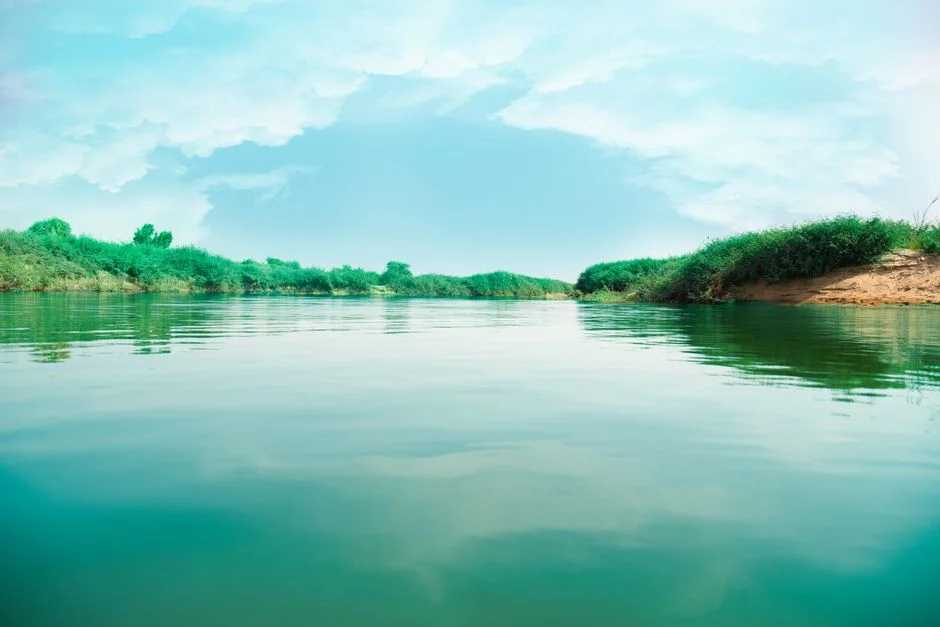
The bill proposes to centralise water governance, allowing the government to play a more dominant role in water allocation and management. This shift aims to address issues related to equitable distribution and sustainable use of water, but critics argue it could stifle private sector involvement and innovation.
Businesses Voice Their Concerns
Many companies are already expressing alarm over the potential impact of the National Water Amendment Bill on their operations. The South African Chamber of Commerce and Industry has voiced its opposition, citing fears that increased regulation could lead to higher compliance costs and reduced investment in water-intensive industries.
“If the government takes over ownership and control of water resources, it will deter investment,” warned business leader Thandiwe Mbele. Companies reliant on water, such as agriculture and manufacturing sectors, are particularly nervous as they prepare for potential new costs and regulations.
Investor Sentiment Wavers


Investors are closely monitoring the developments surrounding the National Water Amendment Bill. Some financial analysts are already forecasting a potential decline in foreign direct investment (FDI) if the bill is passed in its current form. The Johannesburg Stock Exchange (JSE) has begun to reflect this uncertainty, with water-dependent stocks experiencing volatility.
In a recent statement, investment firm Investec noted that the uncertainty surrounding water legislation could impact their investment strategies significantly. “We are advising clients to tread carefully and reassess their portfolios in light of these changes,” a spokesperson for the firm stated.
Water Rights and Economic Growth
The proposed changes to water governance come at a time when South Africa grapples with high unemployment rates, currently estimated at 33.9%. As businesses face the prospect of increased operational costs due to potential water tariffs and stricter regulations, the broader economy could suffer.
Access to clean and affordable water is a prerequisite for economic growth, and if businesses are forced to divert funds to secure water rights or comply with new regulations, this could hinder job creation and economic stability.
Looking Ahead: What to Watch
The National Water Amendment Bill will proceed to further public consultations, with key stakeholders given the opportunity to voice their concerns before the final vote in December 2023. Stakeholders, including environmental groups and business leaders, will need to present their cases to ensure that future regulations balance the need for water security with the imperative of supporting economic growth.
As the public consultation phase unfolds, all eyes will be on any amendments that may reflect the concerns of the business community and mitigate the risks to investment and economic stability. How the government responds to this feedback could shape the future landscape of water governance in South Africa.