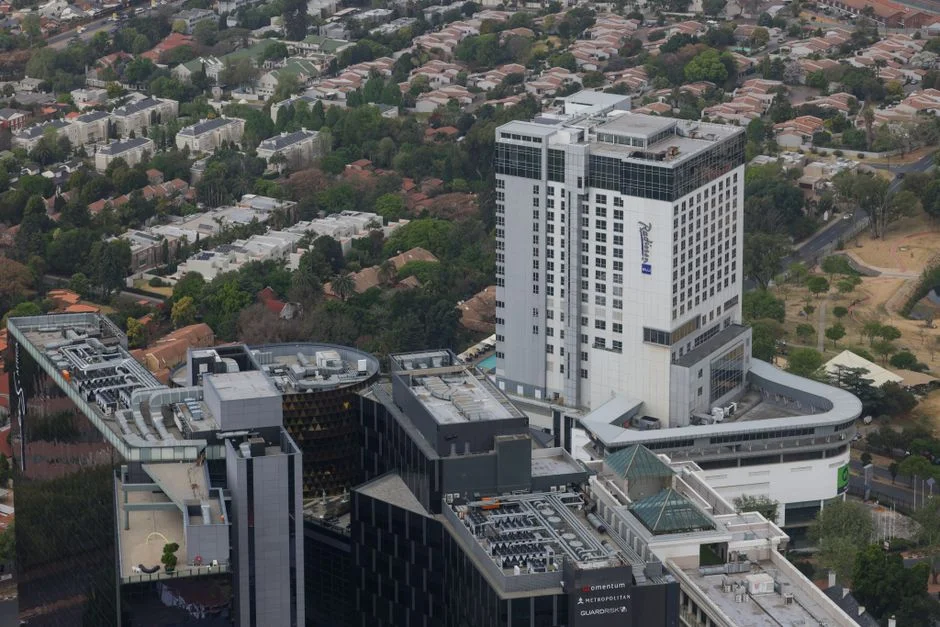
Pretoria faces mounting pressure as President Cyril Ramaphosa issued a stern warning that the government must respond decisively to what he described as a convergence of looming threats affecting South Africa's economic stability. The call to action comes as businesses and investors watch closely for signs of policy shifts that could reshape the country's fiscal landscape in the months ahead.
Ramaphosa Sounds Alarm on Multiple Fronts
The President addressed the nation from Pretoria this week, acknowledging that South Africa confronts a set of interconnected challenges requiring urgent government intervention. Ramaphosa pointed to domestic energy constraints, global market volatility, and structural employment pressures as primary concerns demanding immediate attention. His remarks signalled a potential shift in tone from the measured approach that has characterised recent government communications.
The President's office confirmed that cabinet ministers have been instructed to accelerate their respective department's response frameworks. Local media reported that officials are preparing a coordinated strategy that could be announced before the end of June. The move reflects growing concern within ruling party circles that inaction risks deepening investor uncertainty during an already fragile recovery period.
Energy Woes Continue to Dent Economic Confidence
South Africa's persistent electricity challenges remain central to the government's headache. Rolling blackouts have constrained manufacturing output and raised operating costs for businesses across the country. Johannesburg's commercial sector has borne particular strain, with companies reporting disrupted operations and delayed expansion plans. The energy crisis has directly impacted South Africa's attractiveness as a manufacturing base compared to regional competitors.
Market analysts tracking JSE-listed companies note that power reliability has become a key factor in investment decisions. Several multinational firms with operations in Johannesburg and Cape Town have signalled they are reviewing their local footprint. The government faces mounting pressure to demonstrate tangible progress on capacity expansion before corporate patience wears thin.
Investor Sentiment Hangs in the Balance
Currency markets have reflected the underlying anxiety. The rand has experienced notable swings against major trading partners in recent weeks, prompting concern from the South African Reserve Bank's monetary policy committee. Businesses importing equipment or raw materials have struggled to budget effectively amid unpredictable exchange rate movements. Trade finance costs have risen accordingly, squeezing margins for mid-sized enterprises.
Foreign direct investment flows to South Africa remain below levels needed to address unemployment and infrastructure gaps. Investment managers in London and New York have told reporters they are monitoring government policy signals before committing fresh capital. The upcoming cabinet response could prove pivotal in determining whether institutional investors maintain or reduce their South African allocations in the second half of the year.
Employment Crisis Demands Government Innovation
Joblessness remains South Africa's most intractable problem. The unemployment rate has hovered near historic highs, creating social strain across urban centres including Durban, Bloemfontein, and the Cape Town metropolitan area. Youth unemployment in particular has drawn criticism from opposition parties and civil society groups demanding bolder government intervention.
Small business owners in township economies report that access to credit and regulatory complexity continue to stifle growth. The government has previously pledged support programmes, but implementation delays have frustrated beneficiaries. Ramaphosa's renewed emphasis on urgency suggests the administration recognises that delivery failures risk political consequences ahead of future electoral cycles.
What Comes Next: June Timeline and Cabinet Actions
The cabinet is expected to finalise its response package by mid-June, according to officials familiar with the planning process. The package reportedly includes measures targeting energy infrastructure, industrial policy, and skills development. Specific announcements will depend on inter-ministerial negotiations that remain ongoing, Reuters reported, citing unnamed government sources.
Key Sectors Watching Closely
The mining sector, a cornerstone of South Africa's export economy, has urged clarity on regulatory frameworks and mineral rights administration. Manufacturing associations have called for incentives to boost local production and reduce import dependency. Financial services firms are particularly interested in any measures affecting the Reserve Bank's mandate or capital flow management. The technology and renewable energy segments are awaiting signals on government procurement priorities and embedded generation regulations that could unlock billions in private investment.
Markets Brace for Policy Clarity
Bond yields have shown sensitivity to political developments, reflecting investor focus on fiscal sustainability. Credit rating agencies have previously cited governance concerns and infrastructure gaps when assessing South Africa's sovereign outlook. The government's response in June will likely feature in upcoming assessment reports from major ratings firms.
Business confidence indices compiled by private research groups have dipped in recent surveys, citing policy uncertainty among contributing factors. Chamber of Commerce officials representing companies in Port Elizabeth and surrounding industrial zones said members are seeking concrete timelines rather than broad policy aspirations. The gap between stated government intent and actual implementation has become a recurring theme in corporate boardroom discussions.
What to Watch in the Coming Weeks
Analysts expect Ramaphosa to host a media briefing before the end of June to outline the government's consolidated response framework. Parliamentary committees are scheduled to hold hearings on infrastructure financing mechanisms, where opposition lawmakers are expected to press ministers on budget allocation priorities. The South African Reserve Bank will publish its next quarterly assessment shortly thereafter, providing an independent perspective on economic conditions and policy transmission.
For businesses, investors, and ordinary South Africans, the next few weeks carry outsized significance. The direction the government chooses will shape competitive positioning, employment prospects, and living standards across the country. Whether Ramaphosa can deliver results rather than rhetoric will define his administration's credibility on the economic front.
See Also
- EuroMillions Record Jackpot Triggers Economic Ripple Effects Across Europe
- Creecy Warns Government is Monitoring Oil Prices Closely – Here’s What It Means
Youth unemployment in particular has drawn criticism from opposition parties and civil society groups demanding bolder government intervention.Small business owners in township economies report that access to credit and regulatory complexity continue to stifle growth. Ramaphosa's renewed emphasis on urgency suggests the administration recognises that delivery failures risk political consequences ahead of future electoral cycles.What Comes Next: June Timeline and Cabinet ActionsThe cabinet is expected to finalise its response package by mid-June, according to officials familiar with the planning process.