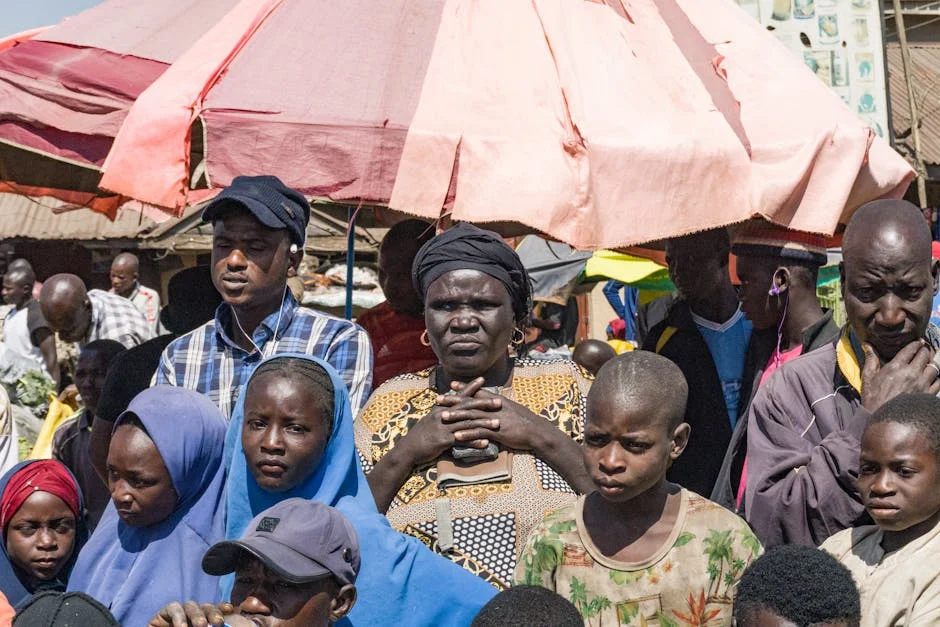
Former President Jacob Zuma met with a Gupta brother on Indian soil, prompting sharp criticism from a South African minister who accused him of flouting his own country. The encounter, which took place in India, has reignited concerns about the influence of the Gupta family over South African politics and what it means for investor confidence in Africa's most industrialised economy.
What Happened in India
The meeting occurred in recent days, though officials have not disclosed the exact date or city. Ajay Gupta, one of the brothers at the centre of South Africa's state capture inquiry, has lived abroad since 2018, when he and his family fled South Africa as pressure mounted over their alleged looting of state-owned enterprises. A South African government minister described Zuma's decision to travel to India for this meeting as showing the country "the middle finger." The minister did not provide further details about what was discussed during the encounter.

The Gupta Legacy Haunts South Africa
The Gupta brothers — Ajay, Atul, and Rajesh — built a business empire spanning mining, technology, and media that critics say was sustained through their stranglehold on government appointments. Parliament's state capture commission concluded that the family had undue influence over cabinet decisions and the allocation of state contracts worth billions of rands. The estimated cost to the South African economy runs into tens of billions of rand across multiple state-owned companies including Eskom, Transnet, and the South African Revenue Service. Former public protector Busisiwe Mkhwebane previously estimated state capture had cost the country at least 500 billion rand in lost economic output and assets.
India's Role in the Gupta Exit
Indian authorities have previously faced scrutiny over the Gupta family's activities within their borders. The brothers established businesses in India that some South African investigators believe may have served as conduits for siphoned funds. The fact that Zuma chose India as the venue for this meeting is likely to deepen those suspicions. South Africa's Directorate for Priority Crime Investigation has sought assistance from foreign counterparts in tracing assets linked to the family, though progress has been slow.
Market and Investor Implications
For markets, the timing of this meeting could not be worse. South Africa is battling sluggish growth, an unemployment rate hovering near 33 percent, and a currency that remains vulnerable to political shocks. The rand has lost significant value in recent years, and any resurgence of state capture narratives tends to unsettle foreign investors. Business confidence in the country remains fragile, and the perception that Zuma — a former president still wielding political influence — remains aligned with the Guptas could further dent sentiment. The Johannesburg Stock Exchange has seen moderate gains this year, but analysts warn that political instability is the single biggest threat to that trajectory.
Corporate South Africa is watching closely. Several companies that were dragged into the state capture web are still recovering financially and reputationally. Renewed association with the Gupta network, even tangentially, carries reputational risk that investors and lenders take seriously. Rating agencies have repeatedly cited governance weaknesses as a factor in their assessments of South Africa's creditworthiness.
Political Fallout Ahead of Elections
The meeting comes at a sensitive political moment. South Africa is preparing for local and national elections in the years ahead, and the governing African National Congress is already under pressure from opposition parties over its handling of state capture. Former President Zuma remains a controversial figure within the ANC, having been expelled from the party in 2021. His continued engagement with the Gupta family is likely to be weaponised by political rivals. The minister's pointed remarks suggest the government is aware of the damage this optics could do and is attempting to distance itself publicly.
What Happens Next
South African authorities have not announced any immediate legal steps arising from the India meeting. The National Prosecuting Authority would need evidence of a specific crime committed during the encounter to act. More likely is that the matter will resurface when the state capture commission tables its final recommendations, expected later this year. Investors should watch for any statement from the South African Reserve Bank or finance ministry addressing the economic implications. India's government has not commented publicly on the meeting, and diplomatic tension between the two countries, while unlikely to escalate dramatically, cannot be ruled out.
See Also
- ANC Backs Ramaphosa After Court Ruling — Investor Confidence at Stake
- Eswatini, Somalia Signal New Partnership at Korea-Africa Forum
The Johannesburg Stock Exchange has seen moderate gains this year, but analysts warn that political instability is the single biggest threat to that trajectory.Corporate South Africa is watching closely. The minister's pointed remarks suggest the government is aware of the damage this optics could do and is attempting to distance itself publicly.What Happens NextSouth African authorities have not announced any immediate legal steps arising from the India meeting.
What is the latest news about zuma meets gupta brother in india investors fear fresh state capture fallout?
Why does this matter for politics-governance?
What are the key facts about zuma meets gupta brother in india investors fear fresh state capture fallout?