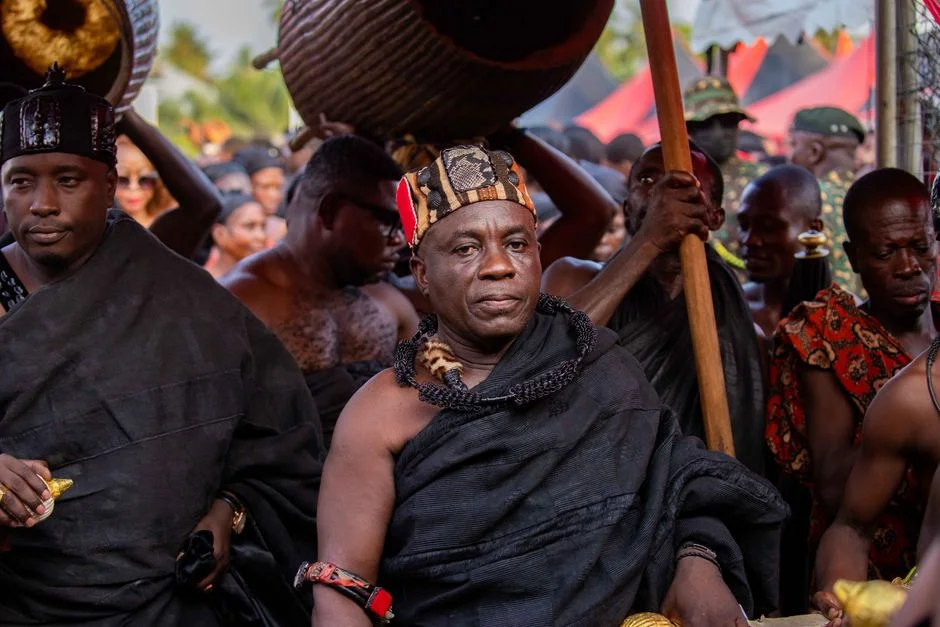
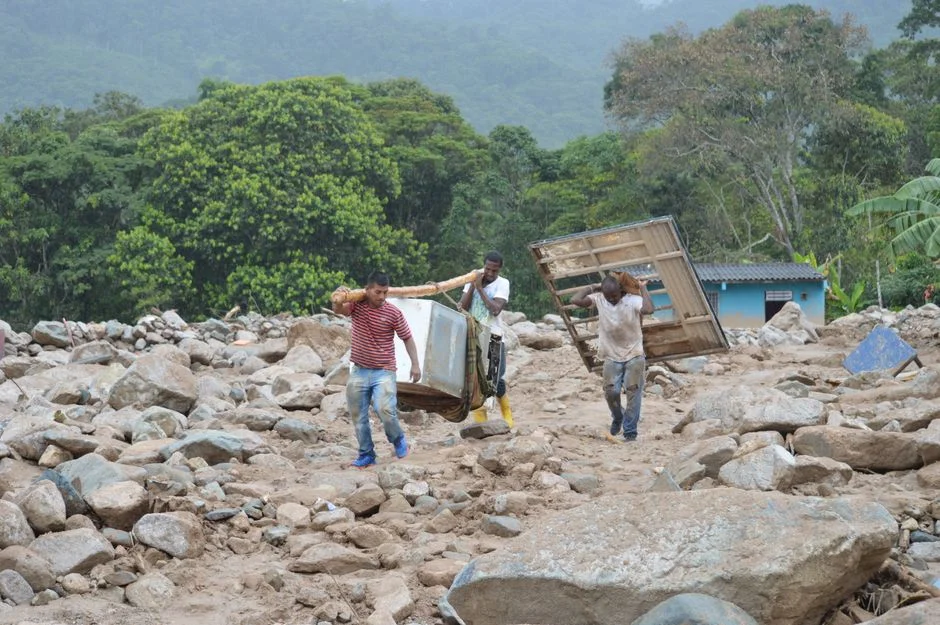
Central African nations are grappling with the consequences of a growing crackdown on wild meat consumption. Outright bans on hunting and selling bushmeat could jeopardise food security for millions, especially in rural areas where alternative food sources are scarce. The Congo Basin, home to diverse wildlife, is particularly impacted, as local communities depend heavily on wild meat as a primary protein source.
The Economic Stakes of Wild Meat Bans
In Central Africa, the wild meat trade contributes significantly to local economies. According to a report by the Food and Agriculture Organization (FAO), bushmeat makes up about 40% of protein intake in the region. However, recent regulatory changes aimed at conserving wildlife and protecting endangered species have led to stringent bans on hunting.
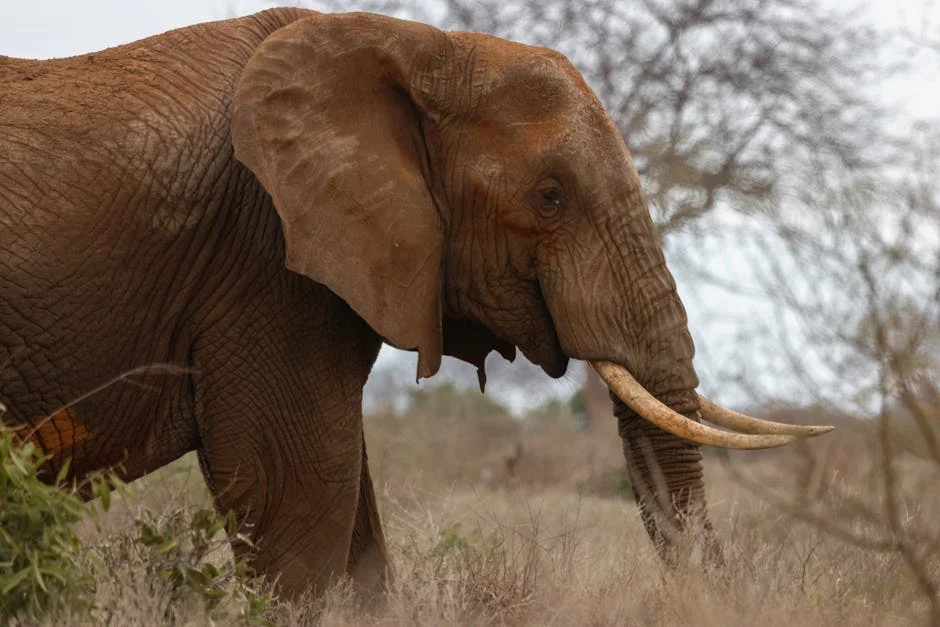
These bans are not merely environmental initiatives; they directly affect livelihoods. Estimates suggest that 45 million people in Africa rely on wild meat for sustenance and income. As bushmeat prices soar due to scarcity, the impact on food affordability for locals is immediate and severe.
Market Reactions to the Bans
The market response to these bans has been swift. As access to bushmeat diminishes, alternative protein sources are witnessing price increases. In Congo, prices for chicken and fish have surged by over 30% in the past three months, creating a ripple effect on food inflation.
Businesses in rural areas that previously thrived on the bushmeat trade are now struggling to adapt. Many small-scale vendors report losing up to 70% of their income since the bans were implemented. This threatens not only individual businesses but also the broader economic landscape as job losses mount.
Health Implications of Reduced Protein Sources
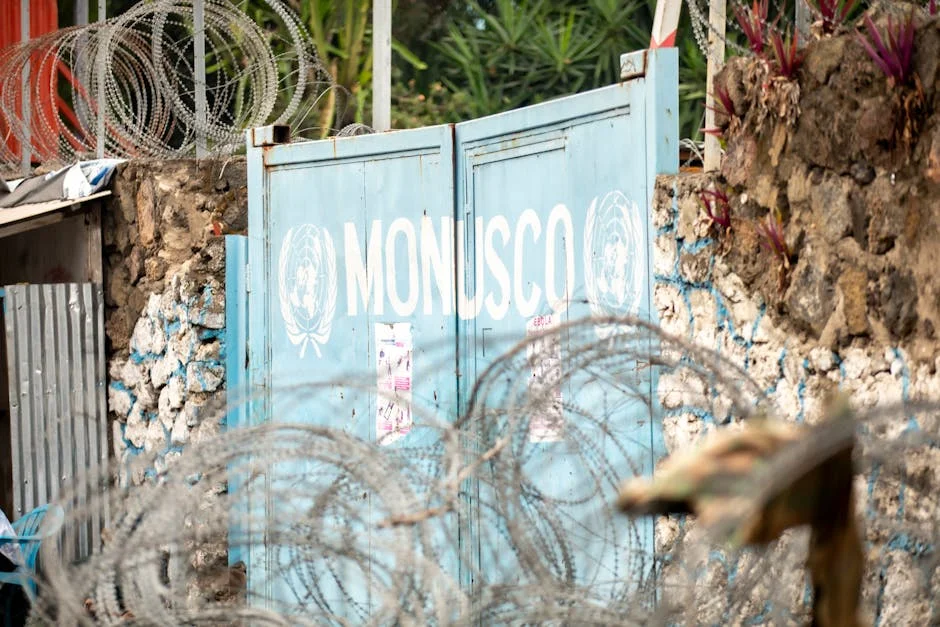
The decline in available protein sources due to bans on wild meat has serious health implications. Nutritional deficiencies may rise, especially among children and vulnerable populations. Health experts point to the fact that bushmeat provides essential nutrients that are otherwise hard to obtain in sufficient quantities.
Without adequate protein, communities face increased risks of malnutrition-related diseases. The World Health Organization (WHO) has expressed concern that such dietary restrictions could hinder developmental progress in children across the affected regions.
Local Communities React
Local communities have voiced their frustrations regarding the bans. Many argue that these regulations fail to consider traditional practices and the socio-economic realities of rural life. Activists in the Congo have called for a more balanced approach that includes sustainable hunting practices alongside conservation.
The National Ministry of Forest Economy in Congo has defended the bans, citing biodiversity preservation as a priority. However, dissenters are urging the government to engage in dialogue with local communities to find mutually beneficial solutions.
Future Developments to Watch
The situation regarding wild meat bans in Central Africa remains fluid. Stakeholders are pushing for a meeting with government officials to discuss potential amendments to the current policies. A proposed framework suggesting regulated hunting for subsistence use is expected to be tabled next month.
As the economic fallout intensifies, the need for a practical approach that considers both ecological sustainability and community needs has never been greater. Investors and businesses should keep a close eye on how these developments unfold, as they will likely shape the market landscape in the coming months.
See Also
- Until Techie Sparks Work-Life Balance Debate: ‘Never Felt More Alive’ After 19-Hour Day
- UN Data Reveals Ebola’s Hidden Economic Cost to African Women
Health experts point to the fact that bushmeat provides essential nutrients that are otherwise hard to obtain in sufficient quantities.Without adequate protein, communities face increased risks of malnutrition-related diseases. The World Health Organization (WHO) has expressed concern that such dietary restrictions could hinder developmental progress in children across the affected regions.Local Communities ReactLocal communities have voiced their frustrations regarding the bans.
What is the latest news about central african nations ban wild meat millions face food insecurity crisis?
Why does this matter for health-medicine?
What are the key facts about central african nations ban wild meat millions face food insecurity crisis?