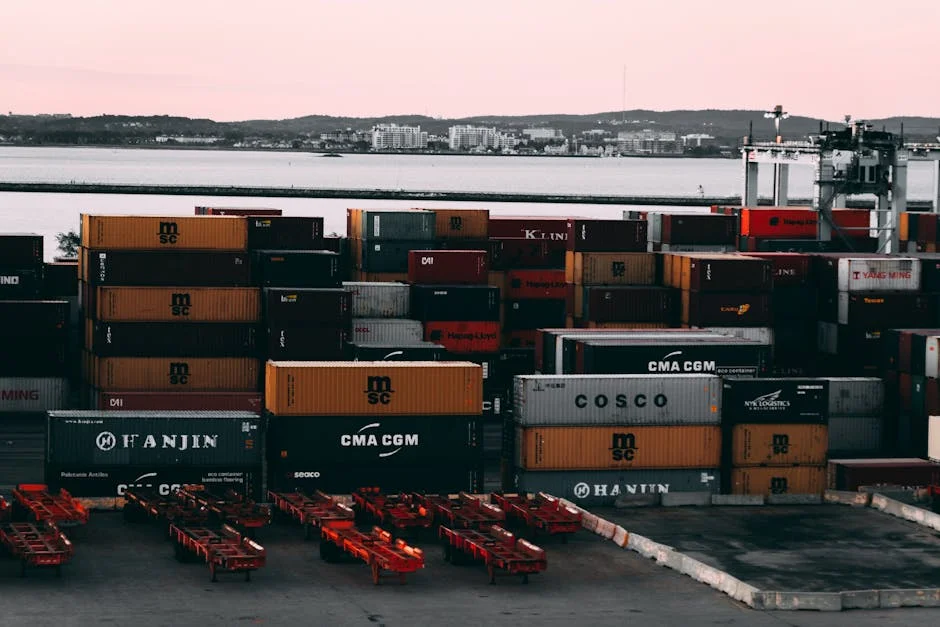
South Africa's new vehicle market roared back to life in May, posting its strongest monthly performance for that month since 2013. The National Association of Automobile Manufacturers of South Africa reported sales of 53,395 units last month, a figure that surprised analysts who had expected headwinds from rising interest rates and elevated fuel costs to dampen demand more sharply. The data signals unexpected resilience in consumer spending even as the South African Reserve Bank maintains its restrictive monetary stance.
Sales Breakout Exceeds Expectations
The May figures mark a 4.2% increase compared to the same period last year, according to Naamsa's official data released in Johannesburg. Commercial vehicle sales drove much of the growth, with bakkie (utility pickup) registrations climbing 7.8% year-on-year. New passenger car sales, while more modest, still grew by 2.1%, suggesting that households are prioritising essential transport over bigger discretionary purchases. The aggregate performance outpaced forecasts from three major banks that had predicted a flat-to-slightly-negative month.
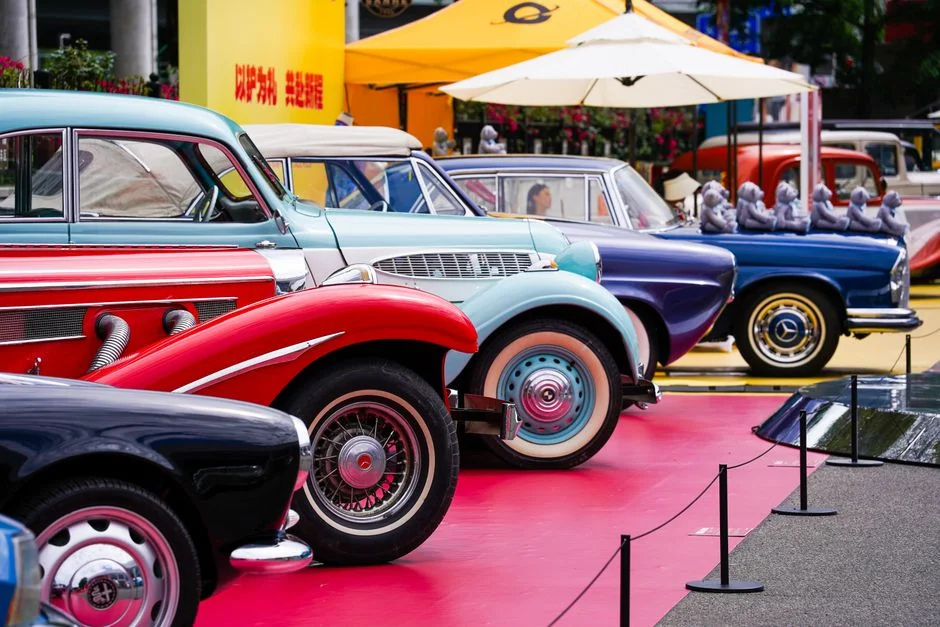
Rate Hikes Haven't Dented Demand
The South African Reserve Bank has lifted its benchmark lending rate 11 times since November 2021, bringing it to 8.25% — the highest level since the global financial crisis. Typically, such aggressive tightening squeezes credit availability and discourages big-ticket purchases like vehicles. Yet consumers have proved more durable than the Reserve Bank's own models anticipated. Analysts attribute the divergence partly to pent-up demand accumulated during the pandemic years and partly to the used-car shortage that has pushed buyers toward new models.
Fuel Prices Complicate the Picture


Petrol prices in South Africa reached record levels in early 2023 before easing somewhat, yet they remain elevated by historical standards. A litre of 95-octane petrol cost R24.18 in Gauteng as of last week's update from the Department of Energy, approximately 15% higher than the five-year average. Fuel costs typically weigh heaviest on lower-income households commuting long distances to work, yet the sales data showed particular strength in entry-level segments. SUV sales zoomed 12% year-on-year, with brands like Toyota and Ford reporting their best May performances in a decade.
Why Spending Holds Steady
Several factors explain the disconnect between macroeconomic. Employment data from Statistics South Africa showed the unemployment rate dipped slightly to 32.9% in the first quarter, providing income support for marginal buyers. Currency stability has also helped keep imported vehicle components from becoming even more expensive, preventing manufacturers from raising sticker prices as aggressively as they did in 2022.
Manufacturer Response and Production Outlook
Toyota South Africa, the country's largest automaker by volume, confirmed it expects to produce 190,000 vehicles at its Prospecton plant near Durban this year, up from 176,000 last year. The company's managing director, Leon van der Merwe, told reporters at a press briefing that order books remained healthy across all segments. Other marcas like Volkswagen and Mercedes-Benz have similarly expanded South African production schedules, betting that demand will sustain through the second half of 2024.
Investor Implications for the Sector
The robust sales data carries clear implications for investors tracking South African automotive equities. Companies like Wesizwe Platinum and Impala Platinum that supply catalytic converters and other auto components stand to benefit from extended production runs. Automaker franchises listed on the JSE have seen their share prices consolidate gains over the past six weeks, and the May performance may provide fresh catalyst. Retail REITs anchored to shopping centres housing automotive dealerships should also monitor foot traffic trends closely.
Treasury Watches Tax Revenue Windfall
Higher vehicle sales translate directly into excise tax receipts for the National Treasury. Projections from the parliamentary budget office suggest automotive-related tax collections could exceed R28 billion for the fiscal year, providing unexpected fiscal headroom. Finance Minister Enoch Godongwana may find the upward revision useful as the government drafts its medium-term budget policy statement due in October. The surplus could alternatively support infrastructure spending that benefits logistics companies and construction firms.
What Comes Next for the Market
Industry watchers will turn their attention to June and July, traditionally slower months before the year-end sales push. The crucial variable remains whether the Reserve Bank holds rates steady at its next Monetary Policy Committee meeting on 20 July or signals further increases. Another rate rise could finally bite into affordability calculations, particularly for buyers financing purchases over 72-month terms. Fleet replacement cycles contracted during 2020–2021 should also begin cycling into higher volumes, providing a structural tailwind that Naamsa projects could sustain annual sales above 520,000 units for 2024 as a whole. Observers will particularly watch vehicle financing approval rates from the major banks when those figures publish in late July.
See Also
- Arsenal Triumphs Over Manchester City: What This Means for African Football Fans
- Rodrygo suffers severe knee injury: what it means for Real Madrid's season