June 1, 2026, brings alarming news for African economies as inflation rates soar to a staggering 9.5% across the continent. This dramatic rise in inflation, driven by surging food and fuel prices, particularly affects countries like Kenya, where costs for basic goods have skyrocketed. The ripple effects are beginning to be felt in South Africa, raising questions about regional market stability.
Kenya's Inflation Crisis
Kenya, which has been grappling with persistent drought conditions and rising global commodity prices, reported a sharp increase in inflation in May 2026. The Kenyan National Bureau of Statistics revealed that the cost of food has risen by 15% in the last year, putting immense pressure on household budgets.
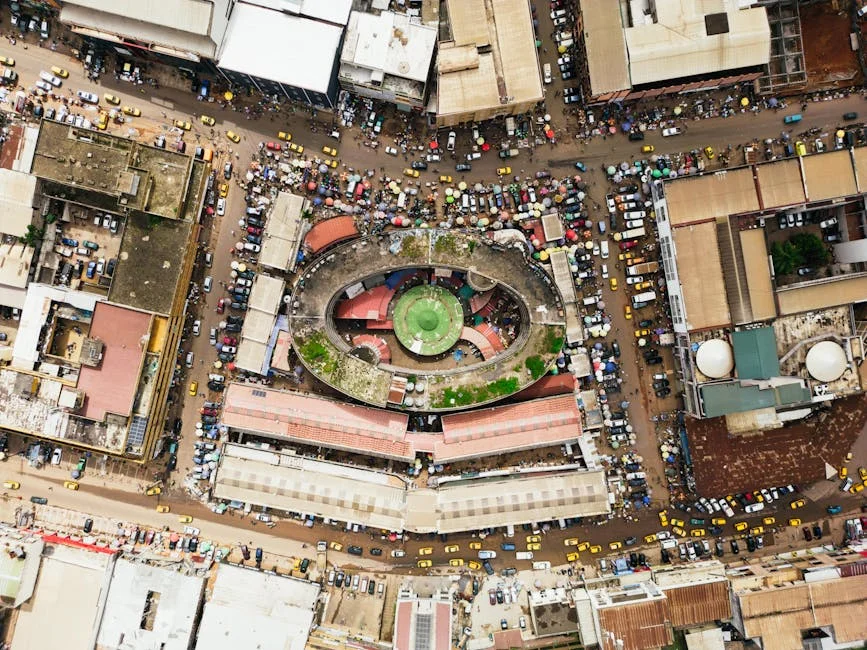
This inflation spike poses challenges not only for Kenyan consumers but also for businesses. High operational costs could lead to reduced profit margins, prompting companies to reconsider their pricing strategies. As companies adjust to these market pressures, investor confidence might wane, impacting foreign direct investment levels.
Impact on South African Markets
The economic turbulence in Kenya sends ripples through South Africa's markets, particularly in sectors reliant on cross-border trade and investment. South African companies with significant exposure to Kenyan markets could face downturns as inflation erodes consumer purchasing power.
The Johannesburg Stock Exchange (JSE) has already seen a slight decline in shares of companies linked to agricultural exports, as investors grow wary of the potential for decreased demand from Kenya. The situation calls for close monitoring, as South African investors weigh their options amidst the uncertainty.
Rising Fuel Prices across Africa


Fuel prices have also contributed to the inflationary pressures. With crude oil prices hovering around $85 per barrel, many African nations are grappling with the financial burden of rising transportation costs. This challenge particularly affects logistics and trade, as companies face increased expenses.
In countries like Nigeria and Ghana, fuel price hikes have led to nationwide protests, further complicating the business landscape. Companies operating in these regions may need to adjust their supply chains or re-evaluate pricing strategies to maintain profitability.
What This Means for Businesses
Businesses across Africa must navigate a shifting economic landscape as the effects of inflation unfold. Those reliant on imports may find themselves squeezed by rising costs, while export-oriented companies might benefit from a weaker local currency in the short term.
Strategic adjustments will be critical for staying afloat. Companies are urged to reassess their operational models and consider local sourcing to mitigate the impact of disruptions in international supply chains.
Investor Sentiment and Future Outlook
Investor sentiment is likely to remain cautious in the wake of these developments. As inflation continues to rise, South African investors may seek refuge in sectors less affected by economic volatility, such as technology or renewable energy.
The broader economic implications are significant. Should inflation persist at current levels, the African Union may consider implementing regional economic policies aimed at stabilising prices. This could include coordinated efforts to regulate fuel prices or support for struggling agricultural sectors.
Looking Ahead
Looking forward, stakeholders across the continent will be keenly observing upcoming fiscal policy announcements slated for June 15, 2026. Additionally, businesses must prepare for potential shifts in consumer behaviour as higher prices may alter purchasing patterns.
With inflation posing a significant threat, the next few months will be critical for assessing the long-term economic outlook for Africa and its impact on South Africa. Investors are advised to remain vigilant and adaptable to the rapidly changing market conditions.
See Also
- Indian-Born Billionaire Donates $8M to IIT Delhi for Tech Innovation
- Nursing Shortage Triggers Economic Crisis for African Markets