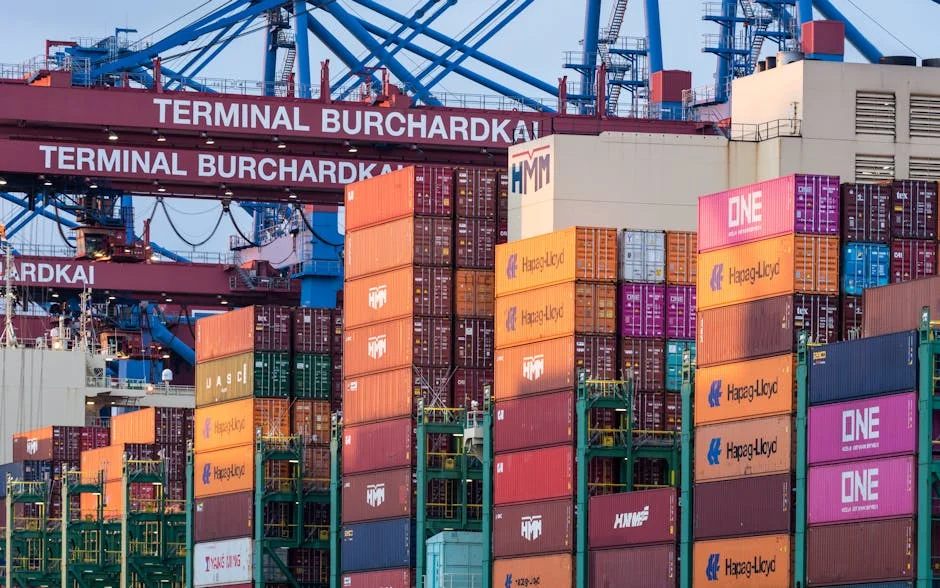
Somali pirates have reclaimed the Western Indian Ocean, sending shockwaves through global supply chains and directly impacting South African exporters. The resurgence of maritime raiding in the Gulf of Aden forces shipping lines to reroute vessels, increasing fuel consumption and transit times for cargo bound for Durban and Cape Town. This development threatens to inflate import prices for South African consumers and squeeze profit margins for local manufacturers reliant on just-in-time delivery systems.
Maritime Security Deteriorates Rapidly
The Joint Maritime Information Centre (JMIC) has issued urgent alerts regarding the increasing frequency of pirate skiffs venturing further from the Somali coast. These vessels, often equipped with high-horsepower outboard motors and heavy machine guns, are targeting commercial freighters in the strategic chokepoints of the Red Sea and the Gulf of Aden. The security vacuum has widened as regional naval patrols face budget constraints and shifting geopolitical priorities, leaving merchant ships more vulnerable than at any point in the last decade.
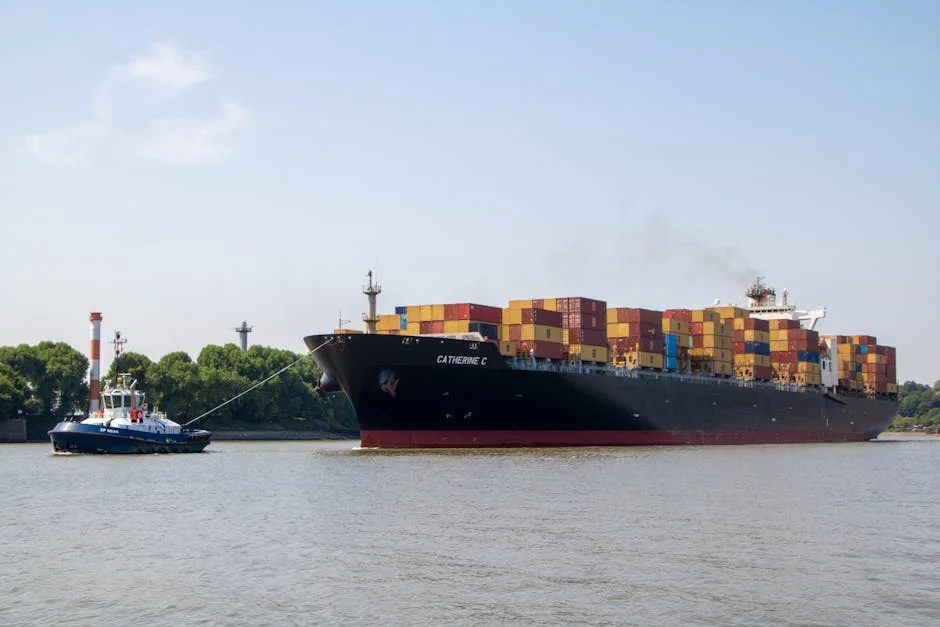
Shipping companies are no longer treating the threat as a localized nuisance but as a systemic risk to global trade. The International Maritime Organization reports a sharp uptick in successful boardings, with pirates demonstrating improved tactics and coordination. This tactical evolution means that even armed guards on deck are not a guaranteed defense, prompting insurers to reassess risk models for the entire Indian Ocean corridor. The uncertainty is already causing hesitation among charterers who fear sudden rate hikes and delayed deliveries.
Direct Impact on South African Trade Routes
South Africa’s economy is heavily dependent on maritime trade, with approximately 80% of its imports and exports moving through the port of Durban. Any disruption in the Western Indian Ocean directly affects the flow of goods entering and leaving the continent’s largest logistics hub. When ships are forced to take longer routes to avoid pirate hotspots, the additional days at sea translate directly into higher freight rates and increased bunker fuel costs. These costs are rarely absorbed entirely by shipping lines; they are often passed on to importers and, ultimately, South African consumers.
The agricultural sector is particularly exposed to these fluctuations. South African fruit and vegetable exports to Europe and Asia rely on rapid transit to maintain freshness and competitive pricing. Delays caused by pirate threats or rerouting can result in perishable goods arriving later than market windows allow, leading to price drops and wasted inventory. For wine exporters, the timing of arrival in key markets like the UK and China can determine the difference between a premium sale and a discounted clearance. The financial risk is tangible and growing with each confirmed sighting.
Logistics Inflation and Consumer Prices
Inflation remains a key concern for the South African Reserve Bank, and supply chain disruptions are a classic driver of cost-push inflation. If shipping costs rise by even a modest percentage, the cumulative effect on the Consumer Price Index (CPI) can be significant. Imported fuel, machinery parts, and consumer electronics will see price increases that erode the purchasing power of the middle class. Businesses that operate on thin margins, such as retail supermarkets and automotive assemblers, may be forced to absorb some costs, but the pressure will inevitably lead to price adjustments on the shelf.
Investors are closely monitoring these developments as a leading indicator of potential economic headwinds. The Johannesburg Stock Exchange (JSE) often reacts swiftly to news from the Suez Canal and the Red Sea, with logistics and consumer goods sectors showing volatility. Companies with strong balance sheets and diversified supply chains are likely to fare better, but smaller enterprises may struggle to hedge against the rising cost of freight. The market is pricing in a period of heightened uncertainty, which typically leads to risk aversion and slower capital expenditure.
Insurance Premiums and Operational Costs


War risk insurance premiums for vessels transiting the High Risk Area (HRA) have begun to climb, reflecting the increased probability of a successful pirate attack. These premiums are calculated based on the number of armed guards on board, the type of vessel, and the current threat level assessed by the JMIC. For South African shipping firms and their foreign partners, the rising cost of insurance is a direct hit to operational efficiency. Higher premiums mean higher charter rates, which in turn increase the landed cost of goods.
Beyond insurance, the operational costs of piracy include the deployment of private maritime security companies (PMSCs). These firms provide armed guards who board ships in ports like Mombasa or Salalah before entering the danger zone. The cost of these guards, along with their equipment and rations, adds a fixed cost to every voyage. Additionally, ships may need to travel at higher speeds to outmaneuver pirate skiffs, which increases fuel consumption. This "speed premium" can account for a significant portion of the variable costs for a single journey, further compressing margins.
Regional Response and Naval Coordination
The African Union Navy (AUN) has been tasked with enhancing maritime security in the region, but its effectiveness depends on sustained funding and coordination among member states. Kenya, Tanzania, and Somalia are key players in this effort, with their navies conducting regular patrols and intelligence sharing. However, the vastness of the Western Indian Ocean makes complete coverage difficult, especially when pirate skiffs can travel up to 100 nautical miles from the coast. The need for a more robust and integrated naval presence is becoming increasingly urgent.
International coalitions, such as the European Union’s Naval Force (EUNAVFOR) and NATO’s Operation Ocean Shield, also play a role in deterring piracy. These forces provide air support, naval escorts, and legal frameworks for prosecuting captured pirates. However, the commitment of these international players can fluctuate with political changes in Europe and North America. South Africa’s own naval force, the South African Navy (SAN), has deployed frigates to the region, but its capacity is limited by budgetary constraints and the need to patrol the extensive coastline of South Africa itself.
Investment Implications for the JSE
For investors on the Johannesburg Stock Exchange, the resurgence of Somali piracy presents both risks and opportunities. Logistics companies, such as Transnet and major shipping lines, may see short-term revenue boosts due to higher freight rates, but long-term efficiency gains could be eroded by operational complexities. Conversely, companies that rely heavily on imported raw materials, such as the automotive and manufacturing sectors, may face margin pressure if they cannot pass on costs to consumers. Investors should scrutinize the supply chain resilience of their holdings and consider hedging strategies to mitigate volatility.
The financial sector is also affected, with banks and insurers adjusting their risk models to account for the increased likelihood of maritime claims. Reinsurance companies may raise prices for maritime policies, impacting the broader insurance market. Asset managers are likely to increase allocations to defensive sectors, such as consumer staples and utilities, which are less sensitive to short-term supply chain disruptions. This shift in investment sentiment could lead to a rotation in the JSE, favoring companies with strong cash flows and lower exposure to global logistics risks.
Strategic Outlook for South African Business
South African businesses must adapt to a new normal where maritime security is a critical component of supply chain management. Diversifying suppliers and exploring alternative routes, such as the Cape of Good Hope or air freight for high-value goods, can reduce dependence on the Gulf of Aden. Companies should also engage closely with their logistics partners to gain real-time visibility into vessel movements and potential delays. Proactive risk management is essential to maintaining competitiveness in an increasingly volatile global market.
Government intervention may also play a role in mitigating the impact of piracy. The Department of Trade, Industry and Competition (dtic) could consider providing subsidies or tax incentives for companies affected by rising freight costs. Additionally, strengthening bilateral agreements with key maritime partners can enhance intelligence sharing and naval coordination. A coordinated national strategy that combines diplomatic, military, and economic tools will be crucial in safeguarding South Africa’s trade interests in the Western Indian Ocean.
Stakeholders should monitor the upcoming quarterly reports from major logistics firms and shipping lines for early signals of cost pressures. The next JMIC threat assessment will provide critical data on pirate activity levels, influencing insurance rates and routing decisions. Investors and business leaders must remain agile, ready to adjust strategies as the maritime security landscape continues to evolve in the months ahead.
See Also
- Kiru Naidoo Demands Accountability at Durban Book Fair — What’s Next for Post Plus?
- South Africa's Governance Crisis Triggers Economic Instability — What Investors Need to Know