A structural collapse in the heart of Durban's Central Business District (CBD) has sent shockwaves through KwaZulu-Natal’s property sector, injuring five contractors and raising urgent questions about infrastructure safety. The incident, which occurred at a prominent commercial building, has immediately triggered a reassessment of risk premiums for investors eyeing the province’s real estate market. This event is not merely a local construction accident; it represents a potential turning point for Durban’s economic recovery narrative.
Immediate Market Reaction and Investor Sentiment
The financial markets in Johannesburg reacted swiftly to the news, with the KwaZulu-Natal property index showing a slight but noticeable dip in early trading. Investors are particularly concerned about the liability implications for property developers and the potential for increased insurance premiums. The collapse has exposed the fragility of the CBD’s aging infrastructure, a issue that has been simmering beneath the surface for years. This uncertainty is likely to cause a short-term freeze in new development projects as stakeholders wait for clarity.

Analysts warn that the perception of risk is as damaging as the physical damage itself. When investors see cracks—both literal and figurative—in the foundational assets of a city, capital flows elsewhere. Durban has worked hard to position itself as the gateway to Africa, but such incidents threaten to erode that brand equity. The immediate consequence is a tightening of credit for property developers, as banks become more cautious about lending against CBD properties.
Regulatory Scrutiny and Legal Liabilities
The Department of Public Works and Infrastructure has launched a comprehensive investigation into the collapse, focusing on the structural integrity of the building and the compliance of the contracting firms involved. This regulatory response is critical, as it sets a precedent for how similar incidents will be handled in the future. The investigation will likely delve into the approval processes for construction projects, the quality of materials used, and the oversight mechanisms in place during the build.
Legal experts suggest that the liability could extend beyond the primary contractors to include architects, engineers, and even the local municipality. This broadening of potential blame means that insurance companies will be looking closely at the fine print of policies. For businesses operating in the CBD, this creates a complex web of potential claims and counter-claims. The outcome of the investigation will have far-reaching implications for the legal framework governing construction in South Africa.
Impact on Insurance Premiums
One of the most immediate economic consequences is the likely surge in insurance premiums for commercial properties in the Durban CBD. Insurers are already beginning to reassess the risk profiles of buildings in the area, particularly those undergoing renovation or new construction. This increase in cost will be passed down to tenants, potentially leading to higher operating costs for small and medium-sized enterprises. The ripple effect could lead to a shift in tenant preferences, with some businesses opting for suburban offices or remote work setups.
The Broader Economic Implications for KwaZulu-Natal
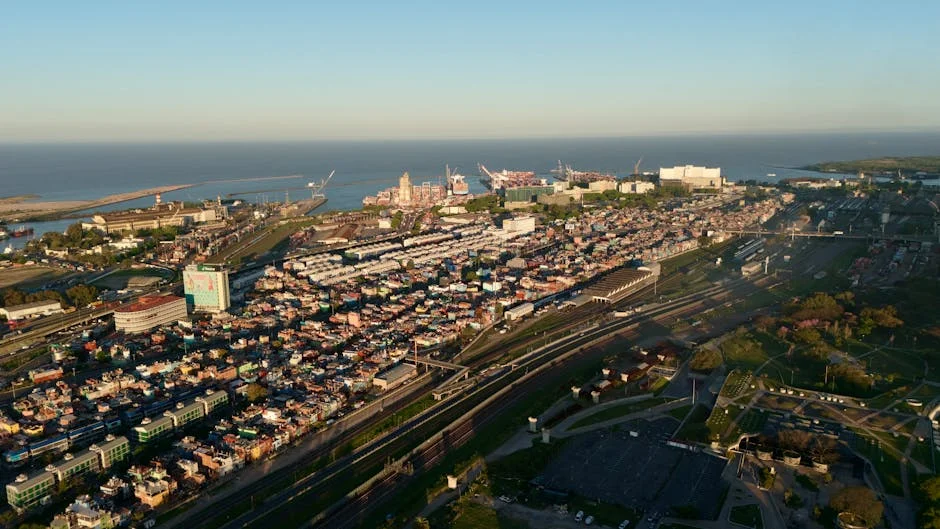
Durban’s economy is heavily reliant on the port, logistics, and commercial real estate sectors. Any disruption to the CBD’s vibrancy has a direct impact on these key industries. The collapse highlights the need for sustained investment in infrastructure maintenance, which has often been deferred due to budget constraints. For the province, this incident is a stark reminder that neglecting infrastructure can lead to costly economic setbacks. The potential for increased maintenance costs could divert funds from other critical areas, such as education and healthcare.
Furthermore, the incident may influence foreign direct investment (FDI) flows into the region. International investors are increasingly sensitive to infrastructure reliability and safety standards. If Durban is perceived as a high-risk environment for property investment, it could lose out to competitors like Cape Town or Lagos. This shift in investment patterns could have long-term consequences for job creation and economic growth in KwaZulu-Natal. The province must act decisively to restore confidence and demonstrate a robust approach to infrastructure management.
Business Operations and Supply Chain Disruptions
For businesses located near the collapse site, the immediate impact has been operational disruption. Access roads were blocked for several hours, affecting delivery schedules and employee commutes. This kind of disruption, while temporary, can have a compounding effect on productivity, especially for just-in-time supply chains. Companies are now evaluating the resilience of their locations and may consider diversifying their operational hubs to mitigate future risks. This could lead to a gradual decentralization of business activities from the CBD.
Small businesses, which often have thinner margins than their corporate counterparts, are particularly vulnerable to these disruptions. The cost of relocating or upgrading their premises to meet new safety standards could be prohibitive. This could lead to a consolidation of the market, with larger players absorbing smaller competitors. The potential for increased market concentration is a concern for economists, as it could reduce competition and innovation in the local economy. Support mechanisms for small businesses may need to be strengthened to ensure their survival.
Long-Term Infrastructure Strategy and Investment
This incident serves as a catalyst for a broader review of Durban’s long-term infrastructure strategy. City planners and developers are now under pressure to adopt more rigorous standards and monitoring systems for construction projects. There is a growing consensus that a proactive approach to infrastructure maintenance is more cost-effective than reactive repairs. This shift in mindset could lead to increased public-private partnerships, where the private sector takes on a larger role in funding and managing infrastructure assets. Such partnerships can bring in fresh capital and expertise, but they also require careful structuring to ensure value for money.
Investors are looking for signals of a comprehensive plan to address the root causes of the collapse. This includes not just fixing the immediate problem but also implementing systemic changes to prevent future occurrences. The government’s response to this crisis will be closely watched by the markets. A well-coordinated and transparent approach can help restore confidence, while a fragmented response could exacerbate investor anxiety. The focus must be on creating a sustainable and resilient infrastructure framework that supports long-term economic growth.
What to Watch: The Path Forward
The coming weeks will be critical in determining the long-term impact of this incident. The results of the investigation, scheduled to be released within the next month, will provide crucial insights into the causes and liabilities. Investors and businesses should monitor the regulatory changes that may follow, as these will shape the operating environment for years to come. Additionally, keep an eye on the movement of capital in the KwaZulu-Natal property market, as this will indicate the level of confidence among stakeholders. The next quarterly economic report for the province will also provide valuable data on the broader economic effects of this event.
Frequently Asked Questions
What is the latest news about durban cbd collapse triggers investor panic in kzn property sector?
A structural collapse in the heart of Durban's Central Business District (CBD) has sent shockwaves through KwaZulu-Natal’s property sector, injuring five contractors and raising urgent questions about infrastructure safety.
Why does this matter for economy-business?
This event is not merely a local construction accident; it represents a potential turning point for Durban’s economic recovery narrative.
What are the key facts about durban cbd collapse triggers investor panic in kzn property sector?
Investors are particularly concerned about the liability implications for property developers and the potential for increased insurance premiums.
What to Watch: The Path Forward The coming weeks will be critical in determining the long-term impact of this incident. Business Operations and Supply Chain Disruptions For businesses located near the collapse site, the immediate impact has been operational disruption.