The Federal Government of Nigeria has confirmed the relocation of the Great Green Wall programme headquarters from its previous location to Kano, marking a significant geographic shift for one of Africa's most ambitious environmental initiatives. The move places the national coordinating office directly within the Sahel fringe, the region most vulnerable to desertification and the target zone for the programme's tree-planting and land-restoration campaign.
What the Relocation Involves
The National Agency for the Great Green Wall confirmed the decision this week, according to Vanguard News. The programme, which Nigeria joined in 2007 as part of a continent-wide effort spanning 20 countries from Senegal to Djibouti, coordinates reforestation, sustainable agriculture, and community resilience projects across arid northern states. Moving the headquarters to Kano brings administrative structures closer to the states where field operations are concentrated, including Katsina, Sokoto, and Borno.
Officially, the agency said the relocation will improve coordination efficiency and reduce operational delays. Critics within the environmental sector have questioned whether distance from Abuja, the nation's capital, will affect funding flows and political visibility for the programme.
Kano's Strategic Position
Kano is northern Nigeria's commercial hub, home to the historic Kano Central Mosque and a trading economy built on agriculture, textiles, and crafts. The city's selection reflects its proximity to the degraded lands the programme aims to restore. Northern Nigeria loses an estimated 351,000 hectares of productive land annually to desert encroachment, according to the National Agency's own monitoring data.
The state government welcomed the announcement, framing it as recognition of Kano's role in Nigeria's environmental future. Local business groups see the move potentially attracting donor-funded projects and associated services to the city.
Economic Stakes for the Region
The Great Green Wall initiative in Nigeria operates across 11 states, supported by international donors including the African Development Bank and the European Union. Relocating the coordinating office to Kano could concentrate procurement, logistics, and consultancy contracts in the north rather than Lagos or Abuja. That shift matters for regional businesses seeking to supply seedlings, fencing materials, water infrastructure, and monitoring services to the programme.
For investors watching Nigeria's agricultural sector, the relocation signals renewed government attention to the Sahel fringe. Land restoration at scale can revive marginal farming areas, potentially expanding raw material supply for agro-industries downstream.
Donor and Investment Implications
International partners funding the Great Green Wall will need to redirect some programme management activities to Kano. The African Development Bank has committed over $500 million across the continent for the initiative, with Nigeria receiving the largest single-country allocation. Donors typically prefer operating from capital cities, so the move may trigger renegotiation of programme management terms.
The Federal Government's decision also raises questions about staffing. Many programme staff based in Abuja may face relocation or extended commutes. The National Agency has not published a timeline for the full transfer or clarified whether new positions will be created locally.
Broader Regional Context
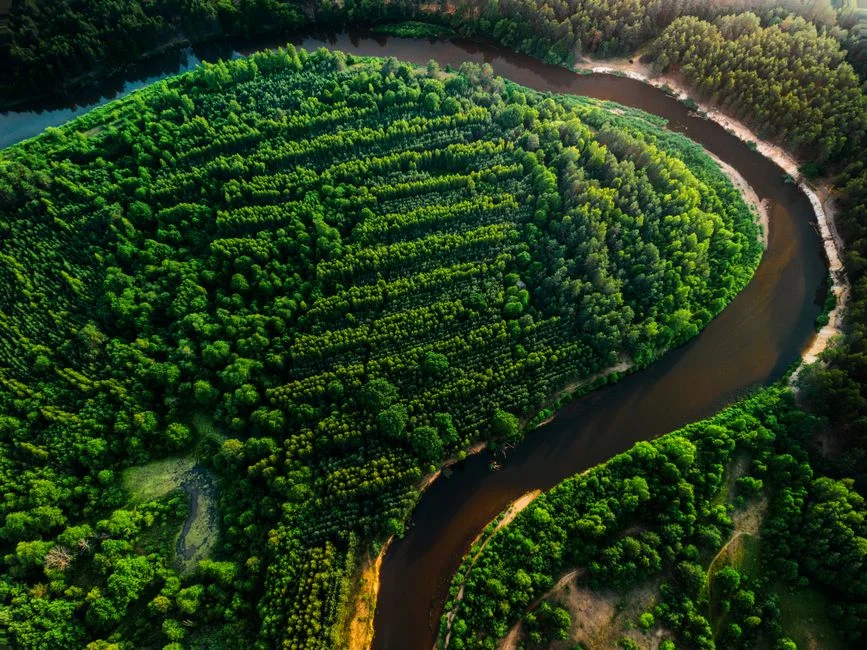
The Great Green Wall concept originated in 2007, aiming to grow an 8,000-kilometre wall of trees and vegetation across the Sahel to hold back the Sahara Desert. Progress has been uneven across participating countries, with Nigeria reporting mixed results in seedling survival rates and community engagement. The Sahel region, stretching from Senegal through Chad, faces mounting pressure from population growth, changing rainfall patterns, and land degradation.
For South African and regional investors, the relocation signals Nigeria's intent to treat the northern drylands as an economic development zone rather than a peripheral concern. If the programme succeeds in stabilising land and expanding rural livelihoods, the market for agricultural inputs, food processing, and rural logistics in northern Nigeria could expand meaningfully.
What Comes Next
The National Agency is expected to announce a detailed transition plan within the next three months. Donors will watch closely for changes in reporting structures and accountability mechanisms. The state government in Kano has indicated it will offer land and administrative support to ease the relocation.
What to watch: whether the move attracts new donor commitments or creates friction with international partners accustomed to operating from Abuja. The next planting season, beginning in June, will test whether the relocated headquarters can maintain field operations without disruption.
See Also
- Lok Sabha Votes on Railway Grants: What Does It Mean for African Development?
- CSK Signs South African Star as Overton Injury Hits