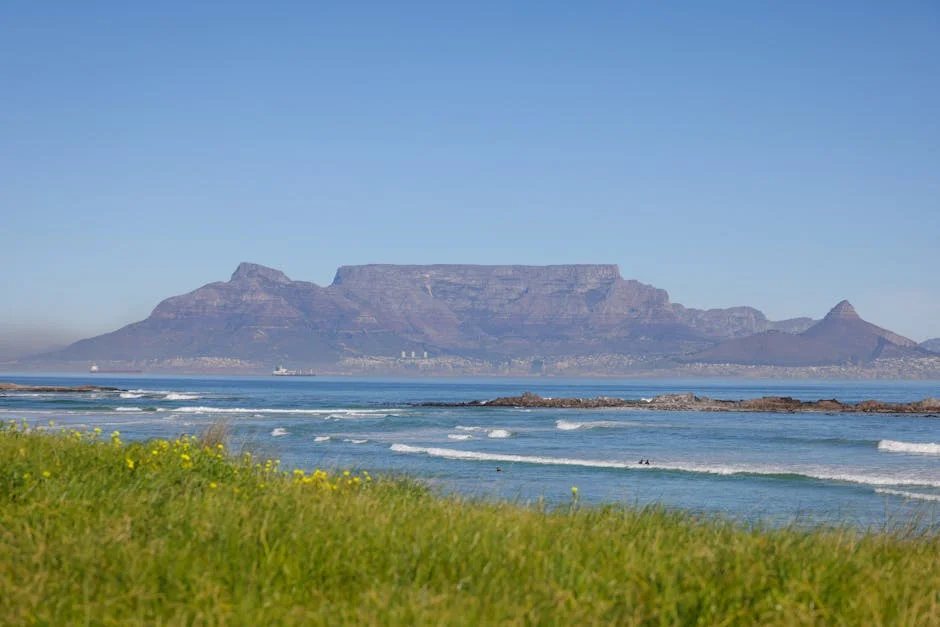
The South African Weather Service has issued a severe weather warning for the Eastern Cape, predicting a combination of heavy rainfall and disruptive winds that are already beginning to strain local infrastructure. This sudden meteorological shift is not merely a comfort issue for residents of Gqeberha and Port Elizabeth; it represents an immediate operational headache for businesses and a potential volatility trigger for regional investors. As the cold front moves in, the economic implications are becoming clear, with supply chains facing disruption and consumer spending patterns shifting rapidly in response to the changing conditions.
Supply Chain Disruptions in the Eastern Cape
The logistics sector in the Eastern Cape is feeling the immediate pressure of the severe weather. Heavy rain combined with strong winds has turned key arterial roads into challenging routes for heavy goods vehicles, leading to delays in the delivery of essential commodities. The N2 highway, a critical corridor for trade between the port of Gqeberha and the interior, has seen reduced throughput as trucking companies adjust their schedules to mitigate the risk of breakdowns and accidents.
Local transport operators report that the cost of fuel and vehicle maintenance is rising slightly due to the increased wear and tear on fleets navigating the slick roads. This adds a marginal but noticeable cost to the final price of goods reaching supermarkets and retail outlets. Businesses that rely just-in-time delivery models are finding themselves with thinner margins as they scramble to keep shelves stocked. The disruption is particularly acute for perishable goods, where time is the most valuable asset in maintaining quality and minimizing waste.
Impact on Local Retail and Consumer Behavior
Retailers in Gqeberha are adapting their inventory strategies to the sudden drop in temperature and the inconvenience caused by the rain. There is a noticeable surge in demand for warm clothing, heating supplies, and comfort foods, while sales of outdoor leisure products tend to dip. This shift requires agile inventory management, which not all small and medium-sized enterprises can execute without incurring holding costs. The weather acts as an immediate, albeit temporary, tax on consumer convenience, influencing where and how people choose to spend their disposable income.
Investors monitoring the retail sector should watch for quarterly earnings reports from major Eastern Cape-based retailers in the coming months. These reports will likely reflect the short-term volatility caused by weather patterns, highlighting the importance of geographic diversification in retail portfolios. The ability of companies to pivot quickly in response to environmental factors will be a key differentiator in market performance.
Agricultural Sector Faces Immediate Threats
The agricultural industry, a cornerstone of the Eastern Cape economy, is bracing for the impact of the cold snap and heavy rains. For farmers in the Winelands and surrounding agricultural belts, the timing of the weather is critical. Excess moisture can lead to fungal diseases in crops, while the cold can damage sensitive produce if temperatures drop below freezing overnight. The South African Weather Service’s forecast suggests that the conditions are ripe for such damage, prompting farmers to take preventive measures that cost money.
The cost of these preventive measures, including the application of fungicides and the use of frost blankets, directly impacts the bottom line for agri-businesses. Furthermore, the disruption to harvesting schedules can lead to a temporary glut or shortage in the market, affecting prices at the farm gate. Investors in the agricultural sector need to be aware that weather-related risks are not just annual events but can cause immediate quarterly fluctuations in output and revenue.
The broader economic impact extends to employment in the rural areas of the Eastern Cape. If harvesting is delayed, seasonal workers may face shorter working hours or later start dates, affecting household incomes and local spending power. This ripple effect can slow down economic activity in towns that are heavily dependent on agricultural wages. The social and economic fabric of these communities is tightly woven, meaning that a disruption in one sector quickly affects others.
Energy Demand and Infrastructure Strain
The cold weather is also putting pressure on the energy grid in the Eastern Cape. As households and businesses turn on heaters and fans to combat the chill, electricity demand spikes. This is a familiar challenge for South Africa’s energy sector, but it is particularly acute in the Eastern Cape, where the grid can be more vulnerable to outages. The combination of high demand and potential wind damage to power lines increases the risk of load shedding or localized blackouts.
For businesses, unexpected power outages can mean lost productivity, spoiled inventory, and higher costs for backup power solutions such as generators or solar inverters. The economic cost of these outages is often underestimated, but they can add up to a significant percentage of operational expenses for small businesses. Investors in the energy sector should note that weather patterns are becoming a more predictable driver of demand, influencing investment decisions in grid infrastructure and renewable energy projects.
The South African Weather Service has emphasized the importance of preparedness, urging both households and industries to monitor updates closely. This proactive approach can help mitigate some of the economic damage, but it requires capital expenditure that not all entities can afford. The disparity in preparedness levels between large corporations and small businesses may widen the gap in their resilience to external shocks.
Investor Sentiment and Market Reactions
Financial markets are sensitive to regional disruptions, and the Eastern Cape’s weather event is no exception. While the immediate impact on the Johannesburg Stock Exchange may be subtle, sector-specific stocks are likely to react. Companies with significant exposure to the Eastern Cape, particularly in logistics, agriculture, and retail, may see short-term price adjustments as analysts factor in the weather-related risks. This is a reminder to investors that macroeconomic factors are not the only drivers of stock performance; micro-level events can also have meaningful impacts.
Analysts are advising investors to look at the broader trends rather than reacting to every weather event. However, the frequency of extreme weather events in South Africa is increasing, which means that these disruptions are becoming more common. This trend should be factored into long-term investment strategies, with a greater emphasis on companies that demonstrate resilience to environmental changes. The market is beginning to price in climate risk, and the Eastern Cape’s current situation is a case study in how this plays out in real-time.
The economic data from the Eastern Cape will be closely watched in the weeks following the weather event. Any significant drop in consumer spending or increase in business costs could signal broader economic headwinds. This information will be valuable for policymakers and investors alike, providing insights into the region’s economic health and its ability to withstand external shocks. The resilience of the Eastern Cape economy will be tested, and the results will have implications for national economic forecasts.
Policy Responses and Economic Forecasts
Local and national policymakers are monitoring the situation to determine if any immediate economic interventions are needed. While weather events are often seen as acts of God, their economic impact can be mitigated through targeted support for affected sectors. This could include tax relief for small businesses, subsidies for agricultural inputs, or infrastructure upgrades to improve resilience. The effectiveness of these policies will depend on how quickly they are implemented and how well they are tailored to the specific needs of the Eastern Cape.
The South African Reserve Bank may also take note of the weather’s impact on inflation. If supply chain disruptions lead to higher prices for essential goods, it could contribute to a slight uptick in the Consumer Price Index. This is a factor that the Reserve Bank will consider when making decisions about interest rates and monetary policy. While a single weather event is unlikely to change the broader economic trajectory, it can influence short-term economic indicators.
Economic forecasts for the Eastern Cape will need to be adjusted to account for the weather-related disruptions. Analysts will look at data on retail sales, agricultural output, and industrial production to assess the full impact. This data will provide a more nuanced picture of the region’s economic performance, helping investors and policymakers make more informed decisions. The ability to accurately forecast and respond to these disruptions is a key component of economic stability.
Looking Ahead: Monitoring the Economic Aftermath
The immediate weather event will pass, but its economic consequences will linger for weeks or even months. Investors, businesses, and policymakers need to remain vigilant and monitor the data coming out of the Eastern Cape. Key indicators to watch include retail sales figures, agricultural output reports, and energy consumption data. These metrics will provide a clear picture of how the region has responded to the disruption and what the long-term implications might be.
Furthermore, the event highlights the need for greater investment in infrastructure and resilience across South Africa. As weather patterns become more unpredictable, the economic cost of inaction will continue to rise. Businesses and investors that proactively adapt to these changes will be better positioned to thrive in the years ahead. The Eastern Cape’s experience serves as a timely reminder that economic stability is not just about financial management but also about environmental preparedness. The coming weeks will provide valuable lessons for the broader South African economy.
Companies with significant exposure to the Eastern Cape, particularly in logistics, agriculture, and retail, may see short-term price adjustments as analysts factor in the weather-related risks. Analysts are advising investors to look at the broader trends rather than reacting to every weather event.