The first group of Ugandan nationals arrived at Entebbe International Airport on Tuesday after being evacuated from South Africa, where waves of xenophobic violence have disrupted business operations and sent shockwaves through the regional economy. The repatriation, coordinated between the two governments, marks the beginning of what officials describe as a structured withdrawal of citizens who can no longer safely remain in South Africa's major economic hubs. Vanguard News reported that the group included workers from Johannesburg's retail and construction sectors, industries that have relied heavily on migrant labour for decades.
Flight Lands as Tensions Escalate
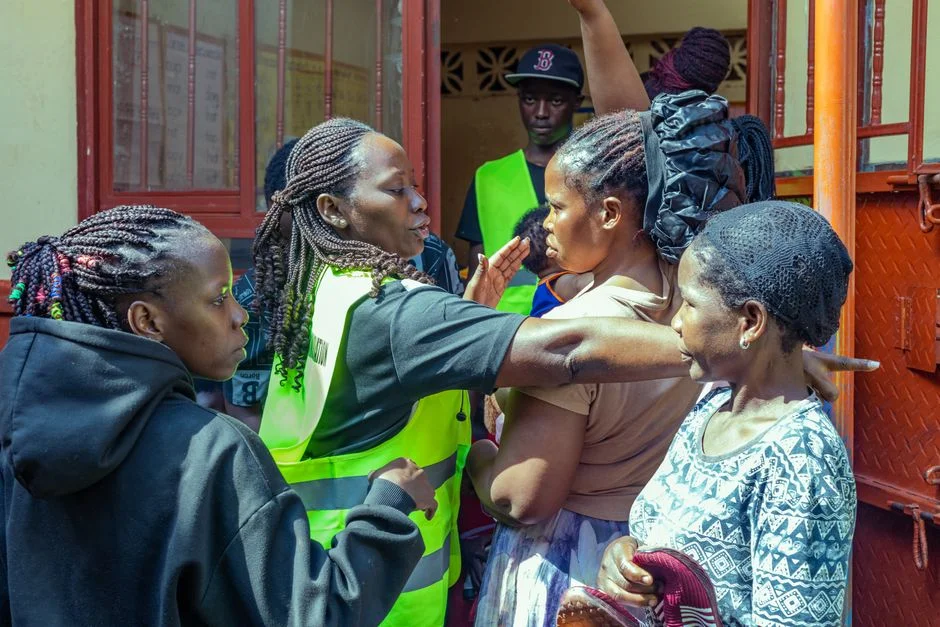
The aircraft touched down at Entebbe International Airport on Tuesday afternoon, carrying citizens who fled violence in Johannesburg and surrounding areas. South Africa's home affairs department confirmed the evacuation was arranged through diplomatic channels, with Tambo International Airport serving as the departure point for the humanitarian flight. Uganda's foreign affairs ministry stated that more repatriation flights are being planned in the coming weeks to accommodate the hundreds of nationals seeking to leave. The government in Kampala urged remaining citizens in South Africa to register with the embassy for assistance.
Economic Consequences for South Africa's Labour Market
The departure of skilled and unskilled workers alike creates immediate pressure on sectors already struggling with labour shortages. Construction companies in Gauteng, where much of the violence has been concentrated, report that project timelines are being delayed as crews dwindle. Retailers in Johannesburg's township economies, where Ugandan shop owners have established significant presences, face inventory management challenges and reduced operational capacity. The economic ripple extends beyond immediate job vacancies — remittance flows from South Africa to Uganda are expected to decline sharply in the coming months, affecting rural households that depend on income sent home by migrants.
Remittance corridors face disruption
Uganda receives approximately $1.2 billion annually in remittances from abroad, with South Africa representing one of the largest single sources of these funds. Money transfer operators in Kampala have already reported a slowdown in incoming transfers from Johannesburg and Cape Town. Financial analysts tracking the corridor warn that reduced remittances could squeeze household consumption in Uganda's eastern regions, where migrant workers have historically supported local businesses and agricultural investment. The Bank of Uganda will likely monitor these flows closely in upcoming quarterly reports.
Business Confidence Takes a Hit


Foreign investors monitoring South Africa's investment climate have cited xenophobic instability as a factor in delayed expansion decisions. The violence undermines the country's positioning as a regional hub for multinational operations, particularly in sectors requiring diverse, international workforces. Business councils representing foreign-owned companies operating in Johannesburg and Durban have issued statements expressing concern, noting that employee safety protocols are being reviewed and some relocation packages are being offered to expatriate staff. The Johannesburg Stock Exchange has not shown dramatic reactions to date, but analysts note that sustained instability could affect foreign portfolio investment inflows in the medium term.
Regional Trade Implications
Uganda and South Africa maintain significant trade relationships through the Common Market for Eastern and Southern Africa framework, and prolonged instability threatens these commercial ties. Small and medium enterprises engaged in cross-border trade report that recent events have complicated logistics and increased insurance costs for goods moving through South African ports. The Southern African Development Community has called for calm, but regional business leaders argue that diplomatic resolution alone will not restore investor confidence without visible enforcement of rule of law in affected areas.
What Happens Next for Evacuees
Upon arrival in Entebbe, repatriated citizens underwent processing by Uganda's refugee and migration department. The government has promised reintegration support, including job placement assistance and small business grants for those who wish to restart their livelihoods domestically. However, programme capacity remains limited, and officials acknowledge that absorbing hundreds of returning workers into Uganda's domestic economy will require coordinated effort across multiple ministries. Labour economists in Kampala suggest the reintegration process could take months, with particular challenges expected for workers who had established families and housing in South Africa.
Investors Watch South Africa's Response
Market observers will scrutinise the South African government's next moves, particularly whether security forces demonstrate effective control in affected neighbourhoods. Ratings agencies have previously flagged social cohesion as a factor in sovereign credit assessments, and prolonged instability could influence outlook revisions. For investors with exposure to South African equities or bonds, the immediate focus is on whether the violence abates quickly enough to prevent significant capital outflows during the current quarter.
Outlook for Regional Stability
Diplomatic channels between Uganda and South Africa remain open, according to officials from both foreign ministries. A joint statement is expected in the coming days addressing longer-term measures to protect foreign nationals. For readers tracking this situation, the next critical window is the upcoming Southern African Development Community summit, where regional leaders are scheduled to discuss economic integration priorities that now face new complications. Whether South Africa can restore business confidence will likely determine whether other nations follow Uganda's lead in evacuating their citizens.
See Also
- Singtel Restores Mobile Services After Eight-Hour Outage Impacting Payments and Ride-Hailing
- South Africa Ransomware Surge Hits Corporate Valuations
The Johannesburg Stock Exchange has not shown dramatic reactions to date, but analysts note that sustained instability could affect foreign portfolio investment inflows in the medium term.Regional Trade ImplicationsUganda and South Africa maintain significant trade relationships through the Common Market for Eastern and Southern Africa framework, and prolonged instability threatens these commercial ties. Business councils representing foreign-owned companies operating in Johannesburg and Durban have issued statements expressing concern, noting that employee safety protocols are being reviewed and some relocation packages are being offered to expatriate staff.