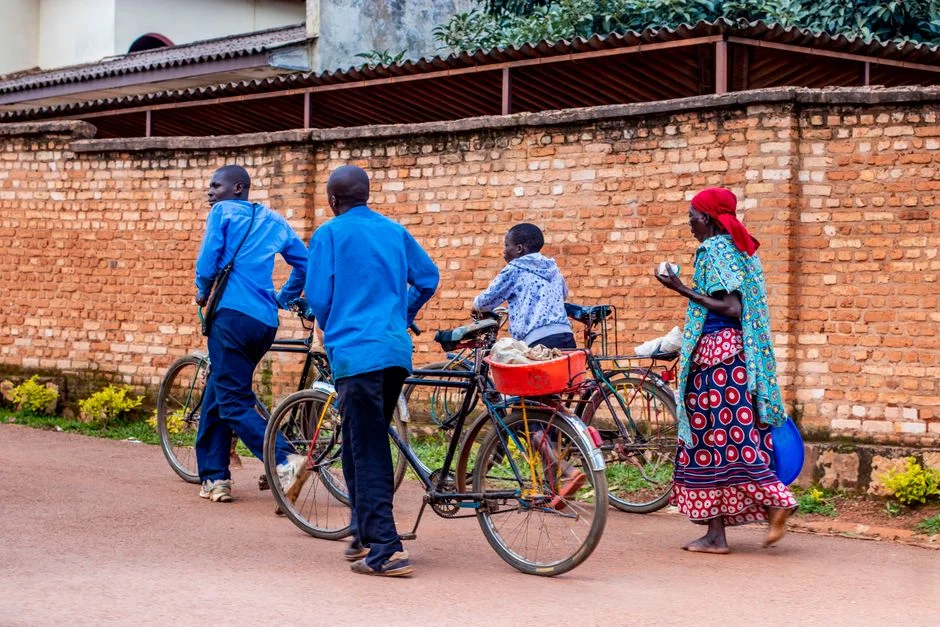
They packed what they could carry and left everything else behind. Immigrants in Durban describe a desperate scramble for safety as anti-foreigner violence spread through their neighbourhoods this week, with many saying they had no choice but to flee or face attack.
Witnesses Describe Chaos and Fear
The attacks began without warning, residents told local media. Shops belonging to foreign nationals were looted and set ablaze. Families who had lived in Durban for years said they were suddenly targets in their own neighbourhoods.
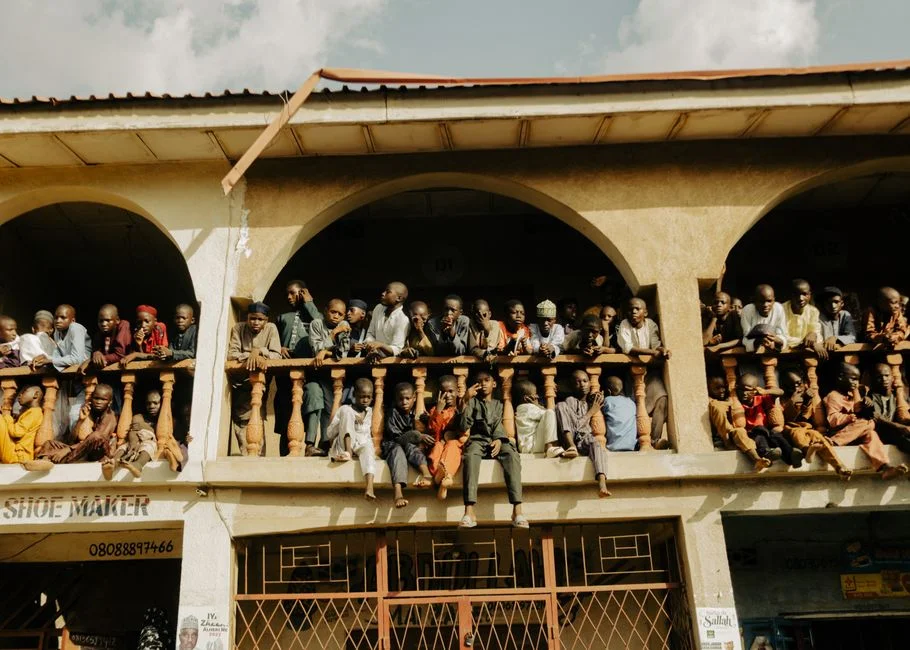
"They will attack me if I stay," one immigrant told reporters in footage shared widely on social media. "I cannot go back." The footage showed belongings scattered across a dusty street as smoke rose in the distance.
Local community organisations say the violence has created a humanitarian emergency in several townships surrounding Durban. Shelters set up in church halls and community centres are overwhelmed, with volunteers reporting that hundreds of displaced people arrived seeking refuge within 48 hours.
Economic Toll Begins to Mount
The exodus carries immediate economic consequences for Durban's business community. Immigrants make up a significant portion of the informal retail sector, operating small shops, spaza stores, and street vendors that serve low-income neighbourhoods. Their sudden departure has left gaps on commercial streets and raised concerns about food supply in affected areas.
South Africa's retail sector has already been under pressure from power cuts and logistics constraints. The loss of immigrant-owned businesses adds another layer of difficulty for suppliers and distributors who depended on these customers.
Labour Market Disruption
Beyond retail, employers in sectors including construction, manufacturing, and agriculture rely heavily on immigrant workers. Industry groups told reporters they are monitoring the situation closely, with some companies reporting that foreign employees have failed to show up for shifts since the violence erupted.
Recruitment agencies in Gauteng say they have received an influx of calls from businesses desperately seeking replacement workers, a sign that the labour disruption may spread beyond Durban if the crisis continues.
Investment Community Takes Notice


For international investors, the violence complicates an already difficult picture. South Africa has been working to attract foreign direct investment to address its chronic unemployment problem. Episodes of xenophobic violence create reputational risk that analysts say can deter capital inflows for months.
Rating agencies have repeatedly cited structural weaknesses in the South African economy, including power infrastructure and labour market rigidities, as concerns. The instability in Durban adds a social dimension that investors track carefully.
Business confidence indices published by major chambers of commerce will be watched closely in coming weeks for signs that the violence has dented sentiment. A sustained drop could slow hiring and expansion plans at exactly the moment the government is trying to stimulate growth.
Regional Connections Under Strain
South Africa hosts large communities of migrants from neighbouring countries including Zimbabwe, Mozambique, and Lesotho. Remittance flows from South Africa to these nations amount to billions of rands annually, supporting households in countries with limited formal employment opportunities.
If immigrants are unable to work or are forced to leave the country entirely, those remittance channels could narrow. Central banks in the region monitor these flows closely as part of their balance of payments calculations.
Government Response Under Scrutiny
The South African government deployed police to hotspot areas in an attempt to restore order. Authorities confirmed that arrests have been made, though officials have not released specific numbers. The deployment comes at a cost to an already strained security budget.
Critics say the response has been too slow and insufficient. Community leaders argue that early intervention could have prevented the worst of the damage. The government's handling of previous waves of anti-foreigner violence has drawn criticism from human rights groups and damaged diplomatic relations with neighbouring states.
What Happens Next
The immediate question is whether the violence spreads to other cities. Johannesburg and Cape Town have seen scattered incidents in past episodes of xenophobic tension, and authorities are on alert. Police presence has increased at transportation hubs where immigrants gather, with officers deployed to prevent retaliatory attacks or copycat violence.
South Africa's economy needs every job it can create. Tens of thousands of young people enter the workforce each year, and formal employment opportunities remain limited. Anything that disrupts business activity or deters investment makes that challenge harder to meet.
Watch for updated police statements on arrests and casualty figures, expected later this week. Business groups have called for a government-led summit on social cohesion and economic inclusion. Whether that materialises will signal how seriously authorities view the longer-term implications of what happened in Durban.
See Also
- G7 Leaders Reject Immediate Release of Oil Reserves — Here's What It Means for Africa
- Baptiste Shocks Sabalenka in Epic Match — South Africa Watches Tennis Market Shift
The deployment comes at a cost to an already strained security budget.Critics say the response has been too slow and insufficient. The government's handling of previous waves of anti-foreigner violence has drawn criticism from human rights groups and damaged diplomatic relations with neighbouring states.What Happens NextThe immediate question is whether the violence spreads to other cities.