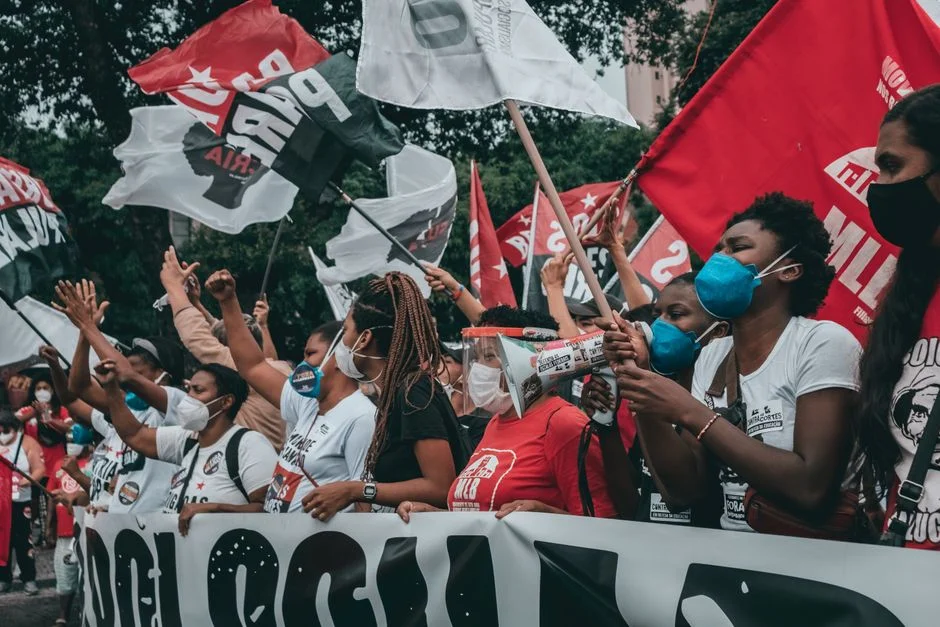
The Congress of South African Trade Unions (Cosatu) and a Western Cape-based anti-xenophobic coalition have jointly demanded answers from the Department of Home Affairs, warning that institutional failures risk fuelling violence ahead of the 30 June deadline for potential civil action. The coalition, comprising advocacy groups and community organisations, staged a joint press conference in Cape Town on Tuesday, accusing the department of failing to protect foreign nationals and process asylum claims timeously. The organisations called for an emergency review of departmental operations and an overhaul of immigration enforcement policies.
Coalition Unites Against Home Affairs
The Western Cape Anti-Xenophobia Coalition brought together more than a dozen civil society organisations at the Cape Town civic centre, united by a single message: Home Affairs has become the institutional weak point in South Africa's response to anti-foreigner sentiment. Cosatu, the country's largest trade union federation representing over 1.8 million workers, joined the coalition in releasing a joint statement that drew a direct line between bureaucratic delays and community tensions.

The coalition's coordinator told reporters that the department's inability to process documentation has left thousands of foreign nationals in legal limbo. "When people cannot prove they are here legally, they become targets," the coordinator stated. Cosatu's spokesperson backed this assessment, arguing that the union movement cannot remain silent while workers face violence purely because of their nationality.
The 30 June Deadline Explained
The focus on 30 June stems from a confluence of deadlines and awareness periods. Civil society groups have designated the date as a threshold for heightened vigilance, following incidents in previous years that coincided with end-of-month salary payments. The coalition warned that without visible action from Home Affairs, the date risks becoming a flashpoint for unrest.
Home Affairs officials have acknowledged the department's caseload has grown significantly over the past 18 months, citing a surge in asylum applications and the ongoing backlog in processing work permits. The department's spokesperson confirmed that internal reviews are underway but declined to specify timelines for resolution.
Economic Stakes for Business


For South Africa's business community, the implications extend beyond the humanitarian dimension. The informal economy, which accounts for roughly 35% of national employment according to Stats SA, depends heavily on the participation of foreign nationals. Spaza shops, small-scale manufacturing, and street trading networks in the Western Cape have long operated with mixed workforces.
Business owners in areas like Khayelitsha and Mitchells Plain expressed concern that xenophobic tensions disrupt these networks. One informal trader operating in the Philippi industrial area told local media that supply chains for perishable goods rely on foreign national wholesalers who face harassment. "If they leave, prices go up for everyone," the trader said.
Tourism and Investment Confidence
The timing concerns investors because South Africa is actively courting foreign direct investment through initiatives led by the Department of Trade, Industry and Competition. International perception matters enormously for capital inflows, and incidents of xenophobic violence generate headlines that dwarf economic data in their news value.
Tourism, a sector the government has identified as a priority growth driver, faces particular vulnerability. The Western Cape, which attracts the highest proportion of international visitors, depends on a reputation for safety and inclusivity. Hoteliers and tour operators have privately briefed trade bodies about cancellations following media coverage of community tensions.
Labour Market Tensions
Cosatu's involvement adds political weight to the coalition's demands. The federation has historically navigated tensions between its membership base—South African workers—and the presence of foreign nationals in sectors where organised labour operates. Tuesday's joint statement signals a shift in the union movement's posture.
The federation's stance reflects concerns among its members that xenophobic violence ultimately destabilises the working class as a whole. Violent incidents trigger police deployments, curfews, and business closures that affect everyone in affected areas. Cosatu's leadership has previously faced criticism for ambiguous positions on immigration; Tuesday's statement appears designed to clarify that position.
The union federation called specifically for faster work permit processing, crackdowns on exploitative employers regardless of worker nationality, and community dialogue programmes facilitated by the Department of Home Affairs. These demands, if unmet, could translate into industrial action.
Home Affairs Under Pressure
The Department of Home Affairs finds itself at the centre of competing pressures. On one side, sections of the ruling coalition and the public demand stricter immigration controls. On the other, civil society and labour organisations insist that enforcement without services creates the conditions for conflict.
Departmental officials met with coalition representatives last week but no concrete commitments emerged from that meeting. A follow-up session scheduled for later this week will test whether the department can produce tangible improvements before the 30 June threshold.
The department's track record includes the Live Capture system rollout and ongoing efforts to digitise records, but these modernisation efforts have not kept pace with demand. Processing times for asylum seekers remain among the longest on the continent, creating bottlenecks that compound frustration at community level.
What Happens Next
The coalition has issued an ultimatum: meaningful progress by 30 June or a mass demonstration outside the Home Affairs headquarters in Pretoria. Cosatu has pledged to support the protest if the department fails to demonstrate commitment to reform.
The Department of Home Affairs faces a difficult balancing act. Any perception that it is softening border controls will provoke criticism from those who blame immigration for unemployment. But hardening enforcement without improving services will deepen the marginalisation that fuels conflict.
For markets and investors, the coming week will determine whether South Africa's institutions can manage this tension constructively. The outcome will signal something important about the country's capacity for inclusive economic governance at a time when such signals matter greatly.
See Also
- UKZN Graduate’s Triumph Signals Resilience for SA’s Talent Pipeline
- Manager Sphethu Pupuma Demands Milford FC Seize Promotion Opportunity Against Magesi
Tuesday's joint statement signals a shift in the union movement's posture.The federation's stance reflects concerns among its members that xenophobic violence ultimately destabilises the working class as a whole. Cosatu's leadership has previously faced criticism for ambiguous positions on immigration; Tuesday's statement appears designed to clarify that position.The union federation called specifically for faster work permit processing, crackdowns on exploitative employers regardless of worker nationality, and community dialogue programmes facilitated by the Department of Home Affairs.