COREN, Nigeria's engineering regulator, unveiled sweeping reforms on Wednesday that will require every engineering firm operating in the country to meet stricter registration and supervision standards or face suspension. The announcement, delivered by Emmanuel Addeh during a press briefing in Abuja, marks the most aggressive regulatory push from the council in recent years. Companies have until the end of the year to comply with the new requirements.
Registration Window Opens Under New Terms
The reforms centre on a revised registration framework that mandates firms submit detailed technical documentation for every active project. Under the previous system, companies could operate with minimal oversight once initially licensed. The new approach requires ongoing compliance reviews and quarterly reporting to COREN offices. Emmanuel Addeh told reporters the changes were essential to protect public safety and restore confidence in Nigeria's engineering sector after several high-profile structural failures.
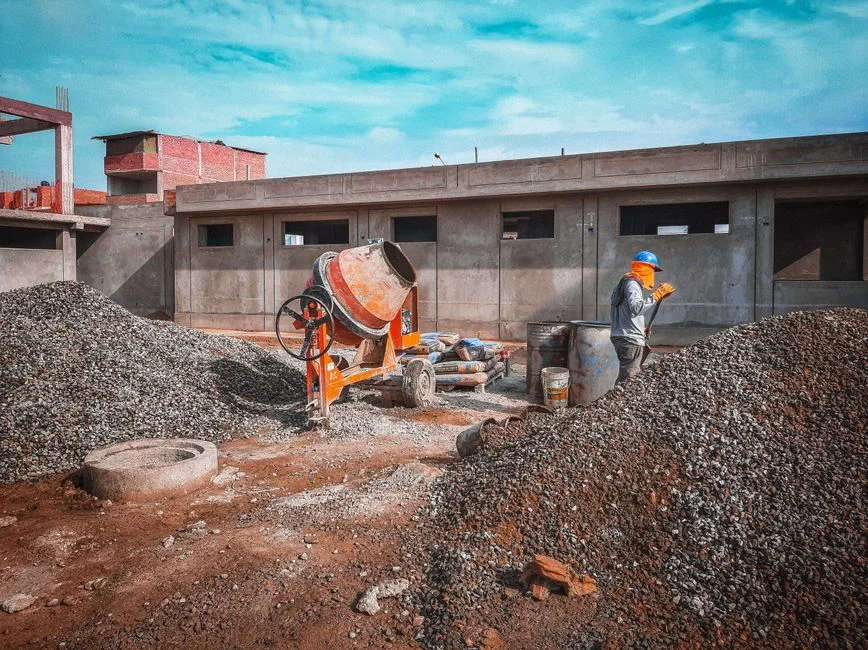
Firms that fail to register under the new terms by December 31, 2024 will have their operating licences automatically suspended. COREN has established a dedicated compliance unit staffed by 120 inspectors who will conduct random site visits across Nigeria's 36 states. The regulator has also introduced a digital portal for real-time submission of project updates, a departure from the paper-based system that critics say enabled lapses in oversight.
Penalties and Enforcement Powers
COREN now has the authority to impose fines of up to N10 million on firms found operating without proper registration. Repeated violations can result in criminal prosecution of company directors. The council has also expanded its jurisdiction to cover engineering work performed by foreign firms contracted in Nigeria, a move that addresses long-standing complaints from local engineers about unequal standards applied to international companies.
Why Investors and Businesses Should Take Notice
The reforms arrive at a sensitive time for Nigeria's economy, where infrastructure development drives a significant portion of GDP growth. Construction companies, oil and gas operators, and manufacturing firms all depend on engineering contractors who must now scramble to meet the tighter requirements. Analysts warn that the compliance scramble could delay project timelines and increase costs for businesses that rely on third-party engineering services.
For foreign investors considering entry into Nigeria's market, the reforms signal a maturing regulatory environment. COREN's willingness to enforce standards against well-connected firms suggests the council is no longer willing to tolerate shortcuts that have contributed to building collapses and infrastructure failures. The message from Abuja is clear: companies that want to operate in Nigeria must invest in proper engineering oversight or leave.
Impact on Regional Trade and Cross-Border Projects


Nigeria's engineering sector does not operate in isolation. Projects spanning multiple West African nations often involve Nigerian contractors, and the new COREN standards will apply to work performed outside the country's borders when it falls under Nigerian licensing. This extraterritorial reach has implications for regional integration initiatives that depend on cross-border infrastructure.
South African firms with engineering operations or partnerships in Nigeria will need to audit their compliance status immediately. The requirements extend beyond initial registration to cover ongoing supervision ratios, meaning companies must demonstrate they have sufficient qualified engineers assigned to each project. Emmanuel Addeh noted that COREN has signed information-sharing agreements with counterparts in Ghana, Kenya, and South Africa to coordinate enforcement across borders.
Professional Licensing Gets Stricter
Individual engineers are not exempt from the overhaul. COREN is introducing mandatory continuing professional development requirements that will see practicing engineers complete 30 hours of approved training annually to maintain their licences. The requirement applies to all disciplines including civil, mechanical, electrical, and chemical engineering. Engineers who do not meet the training threshold will be barred from signing off on projects.
The council has approved 14 training providers across Nigeria to deliver the required programmes, with online options available for engineers based in remote areas. COREN President Emmanuel Addeh described the continuing education mandate as a direct response to concerns about outdated practices being used on critical infrastructure. He added that the training curriculum would be updated annually to reflect advances in engineering technology and international standards.
Public Safety at the Centre of the Reforms
Behind the regulatory mechanics lies a straightforward objective: reduce the frequency of engineering failures that have plagued Nigeria's built environment. Building collapses remain common in major cities including Lagos, Abuja, and Port Harcourt, where a combination of substandard materials, unqualified contractors, and inadequate supervision has cost hundreds of lives over the past decade.
COREN's new site inspection regime will prioritise ongoing projects in high-density urban areas. Inspectors have been empowered to issue immediate stop-work orders when they identify conditions that pose imminent danger to workers or the public. The council has also established a whistleblower hotline that allows members of the public to report suspected violations anonymously.
What Comes Next for the Sector
The registration window remains open until the end of December, giving firms roughly six months to compile the required documentation and submit it through COREN's new digital platform. Industry groups have called for the deadline to be extended, arguing that the compliance requirements are too demanding for smaller companies to meet in the available timeframe. The council has not signalled any willingness to push the date back.
What to watch next is whether COREN follows through with enforcement against major contractors, particularly those with government contracts or political connections. The credibility of the reforms rests on the council's willingness to penalise well-resourced firms that attempt to circumvent the new standards while holding smaller operators to strict compliance. Industry observers will be watching the first wave of inspections expected to begin in February 2025.
See Also
- Deputy Minister David Masondo Defends Pension Protections: What It Means for South Africa
- Free State Officials Siphoned R8m Bursaries to Relatives and Dead, SIU Finds
COREN President Emmanuel Addeh described the continuing education mandate as a direct response to concerns about outdated practices being used on critical infrastructure. He added that the training curriculum would be updated annually to reflect advances in engineering technology and international standards.Public Safety at the Centre of the ReformsBehind the regulatory mechanics lies a straightforward objective: reduce the frequency of engineering failures that have plagued Nigeria's built environment.
What is the latest news about nigerias engineering watchdog demands tighter standards industry braces?
Why does this matter for politics-governance?
What are the key facts about nigerias engineering watchdog demands tighter standards industry braces?