Free State provincial officials funnelled R8 million in government bursary funds to relatives and deceased individuals, the Special Investigating Unit confirmed on Tuesday. The scheme, administered through the Free State Provincial Government Bursary Scheme, ran for at least three years before auditors flagged irregularities during a routine financial review in Bloemfontein. SIU investigators traced payments to beneficiaries who did not exist or had died before disbursement dates. The provincial treasury has since referred the matter for criminal prosecution.
What the SIU Investigation Found
The Special Investigating Unit, South Africa's anti-corruption body, launched its probe after the Free State treasury raised questions about bursary payment patterns. Investigators discovered that officials within the provincial education department altered beneficiary records to include family members. In several cases, the same bank account received payments for multiple supposed students. SIU head Advocate Andy Bossip said the findings represent a deliberate attempt to defraud public funds rather than clerical error.

Records show the scheme operated between 2021 and 2024, with disbursements processed through the Provincial Treasury's centralised payment system. Auditors identified approximately 340 questionable transactions during the review period. The SIU has since frozen related bank accounts and is pursuing asset recovery through the courts.
Role of Internal Controls
The investigation revealed that internal verification processes were bypassed at multiple checkpoints. Payment authorisations carried signatures from senior officials who have since left the department. The Free State education department's own compliance unit failed to raise flags despite processing the transactions monthly for three years.
Impact on Public Funds and Provincial Budget
The R8 million diverted represents a direct loss to Free State's skills development budget, which funds tertiary education support for underprivileged students. Provincial finance officials confirmed the diverted funds will need replacement from existing allocations, creating pressure on other service delivery commitments. The treasury has not yet quantified the downstream effect on student beneficiaries who received legitimate bursaries during the same period.
Public finance experts note that bursary schemes in provincial governments typically operate under strict earmarking arrangements. Once diverted, recovering those funds requires lengthy legal processes that tie up administrative resources. The Free State provincial government faces potential qualification findings during upcoming audit processes, which could restrict future funding allocations from national treasury.
Political Fallout in the Province
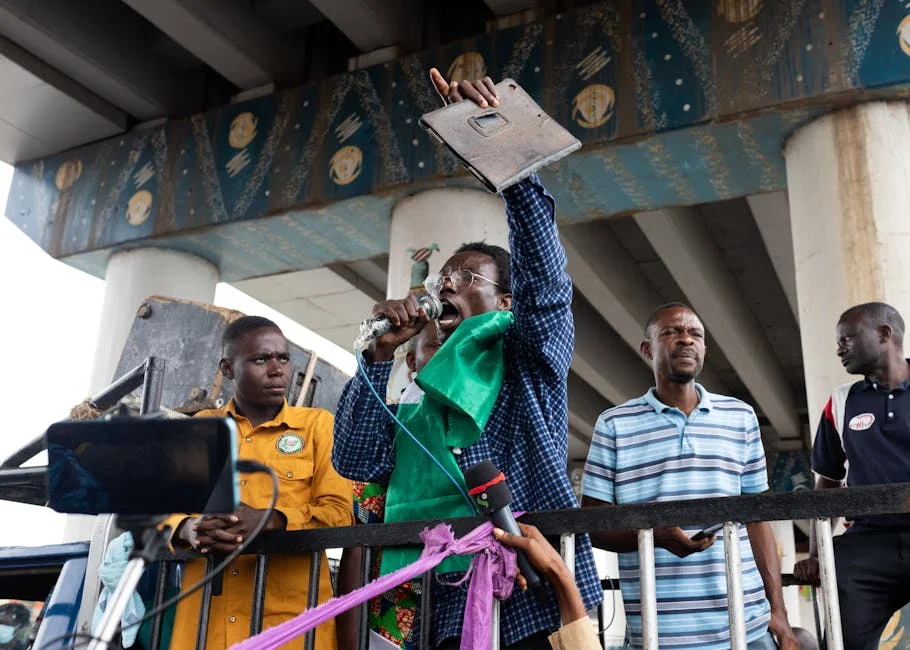

Premier Mxolisi Dukwana has faced calls from opposition parties to dismiss senior officials implicated in the scheme. The Democratic Alliance lodged a formal complaint with the Public Protector, arguing that provincial oversight structures failed deliberately. The Economic Freedom Fighters staged a protest outside the Bloemfontein provincial legislature, demanding a special audit of all provincial grant programmes.
Three senior officials have been placed on administrative leave pending criminal proceedings. The provincial government has not confirmed whether any dismissals will follow the SIU's formal report, expected by the end of September. Dukwana's office released a statement saying the government "cooperated fully" with investigators and would implement recommended reforms.
Broader Implications for South African Public Spending
The case highlights persistent vulnerabilities in provincial payment systems across the country. National Treasury data shows that province-level financial irregularities have increased 23% over the past two years, with education and health departments accounting for the largest share. The Free State case follows similar findings in Limpopo, where a provincial feeding scheme lost R12 million to fictitious beneficiaries last year.
Investors and rating agencies monitor governance indicators closely when assessing South Africa's fiscal position. Repeated findings of systemic fraud in provincial departments contribute to concerns about public spending efficiency. Analysts note that each diverted rand reduces the effective delivery capacity of government programmes, creating downstream effects on service sectors and employment in education infrastructure.
What Happens Next
The SIU has submitted its findings to the National Prosecuting Authority for criminal charges. Officials face possible charges of fraud, theft, and contravention of the Public Finance Management Act. The provincial treasury is conducting its own review of payment authorisation processes across all departments.
The National Treasury has informed all provinces to conduct similar audits of grant and bursary schemes by December. Failure to comply may result in withheld conditional grants. Watch for NPA's decision on charges by November, and the outcome of the provincial skills development audit by year-end.
See Also
- Minister Warns of False Claims Surge — Could Impact UK-South Africa Relations
- Kamala Harris Speaks on 2028 Presidential Bid — What It Means for Africa