Hundreds of people have fled their homes in South Africa after anti-migrant violence spread across multiple neighbourhoods, with mobs conducting systematic door-to-door searches for foreign nationals. The surge in xenophobic attacks has sent shockwaves through business communities already grappling with power shortages and sluggish growth. Local authorities confirmed the evacuations while police struggled to contain the unrest spreading through townships near major economic hubs.
Violence Spreads Through Economic Heartland
The attacks have hit areas close to Johannesburg, South Africa's financial centre, raising alarm among executives and foreign investors monitoring conditions in Africa's most industrialised economy. Witnesses described armed groups moving through residential zones, targeting shops owned by migrants and forcing families to abandon their livelihoods overnight. The South African Police Service deployed additional units but acknowledged the violence had outpaced their response capacity in several districts.

Local business owners reported widespread looting and destruction of property. Informal traders, many of whom rely on daily income to survive, lost their only source of revenue. The chaos forced at least one major retailer to close branches temporarily, disrupting supply chains in affected communities. Economic analysts warned the unrest could deter future investment in sectors already facing regulatory and infrastructure headwinds.
Business Confidence Takes a Hit
Foreign direct investment into South Africa has been under pressure this year as global capital seeks stability. The timing of the violence complicates efforts to attract new capital, with multinationals weighing reputational and operational risks against potential returns in a market of 60 million consumers. Industry groups called for swift government action to restore order and demonstrate commitment to protecting both local and foreign businesses.
Small and medium enterprises bore the brunt of the destruction. Informal sector workers, who constitute roughly a third of South Africa's workforce, faced immediate hardship as markets and street stalls were torched. The International Labour Organization estimates such disruptions can set back local economies by months, affecting employment figures that were already fragile.
Tourism and Consumer Sentiment at Stake
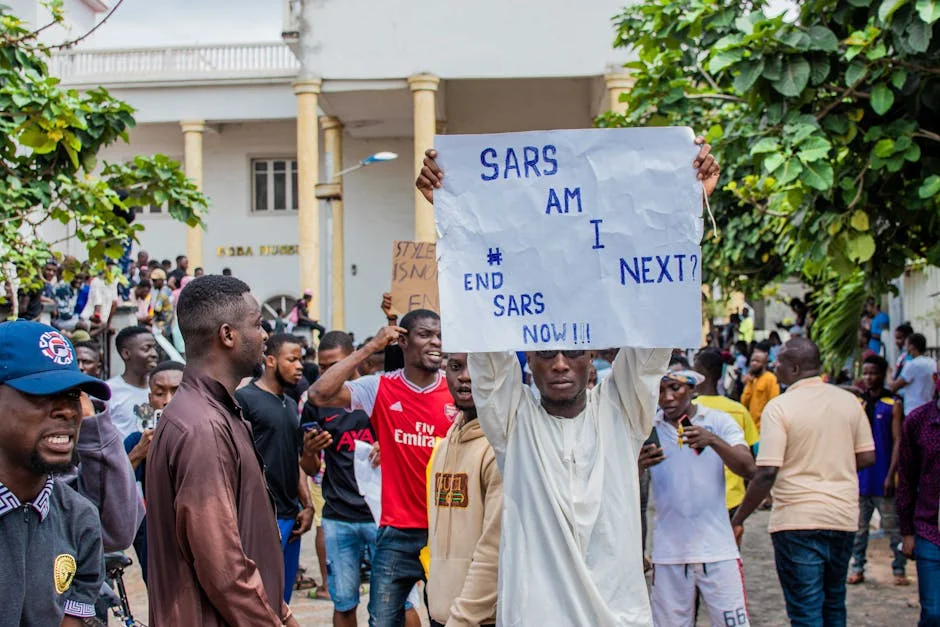

South Africa's tourism sector, a key foreign exchange earner, faces potential damage as travel advisories may be updated following the images of mob violence circulating internationally. The country competes with destinations like Kenya and Morocco for leisure travellers seeking safari experiences and coastal retreats. Any perception of instability could redirect tourist spending elsewhere during the upcoming holiday season.
Consumer confidence in affected areas has plummeted. Retailers reported a sharp drop in foot traffic as residents stayed indoors during the worst of the unrest. Economists at Nedbank noted that sustained violence typically leads to delayed spending decisions, affecting sectors from groceries to durable goods. The knock-on effect on suppliers and distributors compounds the initial damage.
Government Response Under Scrutiny
The South African government issued statements condemning the violence but faced criticism for appearing slow to intervene. The Ministry of Police held an emergency briefing where officials pledged additional resources and promised arrests of those responsible. However, opposition parties demanded a more robust deployment strategy, arguing that patchy enforcement undermines investor confidence in rule of law.
Human rights organisations have called for protections for vulnerable migrants, many of whom arrived from Zimbabwe, Mozambique, and other neighbouring countries seeking work. The government must balance domestic unemployment concerns against its international obligations, a tension that complicates policy responses and fuels public frustration.
Regional Economic Implications
The Southern African Development Community bloc watches the situation closely. Cross-border trade networks connect South Africa to its neighbours, and prolonged instability could disrupt supply routes and partnership agreements. Logistics companies reported delays at some border posts as authorities heightened security measures, potentially affecting imports and exports worth billions of rand.
Currency markets reacted with volatility, reflecting uncertainty about the short-term economic outlook. The rand slipped against major currencies during the peak of the unrest before partially recovering. Traders indicated they would closely watch upcoming economic data releases and government statements for signs of normalisation or escalation.
What Happens Next
Police officials said they expect to increase arrests over the coming days as additional units complete deployment. The government announced a community outreach programme aimed at addressing grievances fuelling resentment against migrants, though details remained sparse. Business chambers scheduled meetings with security agencies to discuss contingency measures for commercial districts.
Analysts will scrutinise official employment and retail sales figures released next month for signs of damage. Whether South Africa can reverse the perception of instability will shape capital flows and growth projections for the year ahead. International investors have indicated they will reassess their positions following the next earnings season.
See Also
- Africa Day 2024: Markets Ignore Rhetoric as Trade Wars Deepen
- Durban Police Standoff Triggers Investor Alarm Over Foreign Capital
Government Response Under Scrutiny The South African government issued statements condemning the violence but faced criticism for appearing slow to intervene. The Ministry of Police held an emergency briefing where officials pledged additional resources and promised arrests of those responsible.
What is the latest news about south africa antimigrant violence displaces hundreds investors monitor risks?
Why does this matter for technology-innovation?
What are the key facts about south africa antimigrant violence displaces hundreds investors monitor risks?