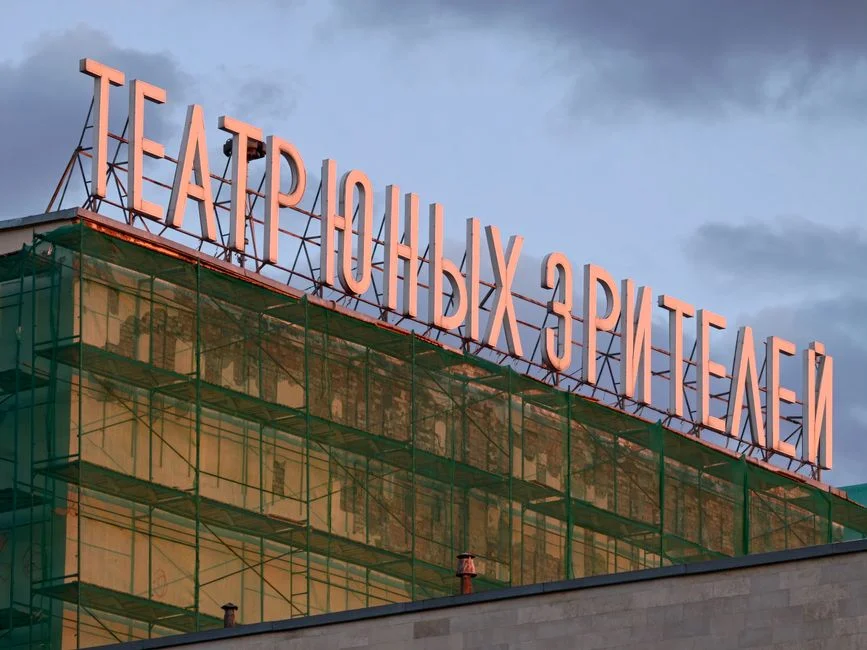
President Samia Suluhu Hassan touched down in Moscow this week for a visit that analysts say signals Tanzania's willingness to deepen ties with Russia as its Western partnerships face mounting strain. The trip comes at a delicate moment for Dar es Salaam, which has historically balanced relationships between global powers but appears increasingly pivoting toward Beijing and Moscow for infrastructure financing and trade agreements.
What the Visit Signals for East African Alliances
The meetings in Moscow are expected to cover energy cooperation, agricultural exports, and potential arms deals—sectors where Russia has sought deeper African footholds since the Ukraine conflict disrupted traditional Western engagement. Tanzania's strategic minerals, including cobalt and lithium reserves critical for global battery supply chains, make the country an attractive partner for powers seeking to diversify away from traditional Western-aligned suppliers. The visit underscores a broader shift across the continent where nations are leveraging geopolitical competition to secure better financing terms from multiple global powers simultaneously.

Western Relations Under Pressure
Tanzania's diplomatic recalibration follows years of cooling relations with Western partners, particularly over governance concerns and the pace of economic reforms demanded by international financial institutions. The United States and European Union have expressed frustration with Tanzania's approach to debt transparency and environmental standards in mining sectors, creating space for China and Russia to expand their influence through alternative financing mechanisms. President Samia Suluhu Hassan has attempted to navigate these tensions by maintaining pragmatic engagement with all parties, but the Moscow visit suggests Dar es Salaam is prepared to lean more heavily on non-Western partners for strategic projects.
Financing Gaps Driving the Pivot
Western development banks have grown more cautious about lending to Tanzania following the country's debt restructuring challenges, while Chinese and Russian state-backed financing offers faster approval processes with fewer conditionality requirements. Infrastructure projects worth billions of dollars—including port expansions and railway upgrades—have increasingly gone to Chinese contractors, a trend the Moscow visit may accelerate as Tanzania seeks additional funding sources. The strategic minerals sector remains particularly sensitive, with Western governments pushing for supply chain diversification creating both opportunities and complications for Tanzania's diplomatic balancing act.
Economic Stakes for Tanzania's Markets
For investors and businesses operating in Tanzania, the Moscow visit raises immediate questions about sanctions risk, currency implications, and the future of trade agreements with Western partners. Tanzania's shilling has faced pressure from global commodity volatility, and closer Russian ties could complicate the country's relationships with the International Monetary Fund and World Bank, potentially affecting access to emergency financing facilities. Markets in neighbouring Kenya and Uganda are watching closely, as any significant shift in Tanzania's economic orientation could reshape regional trade flows and investment patterns across East Africa.
Russia's African Offensive
Moscow has intensified its diplomatic and commercial engagement across Africa, offering security cooperation, agricultural exports, and infrastructure financing as alternatives to Western packages that often come with governance conditions. Russia has established footholds in several African nations, providing security services in exchange for mineral rights and political support—though Tanzania has not yet aligned with this model. The Kremlin's Africa strategy appears designed to cultivate a bloc of nations willing to support Russian positions in international forums while providing Moscow with strategic resources and markets for its goods and services.
What South African Businesses Should Watch
For South African companies with operations or investments in Tanzania, the diplomatic shift carries specific risks and opportunities worth monitoring. Trade corridors linking South Africa to Indian Ocean ports could face competition if Tanzania deepens Russian infrastructure partnerships, potentially affecting freight volumes and logistics pricing. Mining companies with Tanzanian operations should track how the geopolitical reorientation affects regulatory certainty and the enforceability of existing agreements with government entities. South African banks and financial institutions operating across the region may face pressure to reassess their exposure to Tanzanian counterparties if Western sanctions regimes expand to target nations deepening ties with Russia.
Broader Regional Implications
Tanzania's positioning within the Southern African Development Community makes its diplomatic choices consequential for the wider region, where member states have pursued varying approaches to Great Power competition. The visit could trigger reassessments among other SADC members weighing similar strategic choices, particularly those facing pressure from Western creditors or seeking alternative financing for infrastructure development. South Africa's own balancing act between Western partners and emerging market allies will be tested by Tanzania's example, as regional leadership often hinges on demonstrating effective navigation of global geopolitical currents.
Timeline and Next Steps
President Samia Suluhu Hassan is expected to remain in Moscow through the end of the week for additional meetings with Russian officials and business leaders. The outcomes of those discussions—whether they produce signed agreements or merely exploratory dialogue—will determine how markets and diplomatic partners respond in the coming days. Investors should watch for announcements regarding energy partnerships, mining concessions, or financial agreements that could signal Tanzania's long-term directional commitments. Regional analysts expect a fuller picture of Tanzania's strategic intentions to emerge within the next several weeks as official statements and economic indicators reflect the visit's impact.
See Also
- Adidas Warns of Weak 2026 Outlook Amid Middle East Turmoil: What It Means for South Africa
- Iranians Mark Nowruz Amid Regional Tensions and Uncertainty