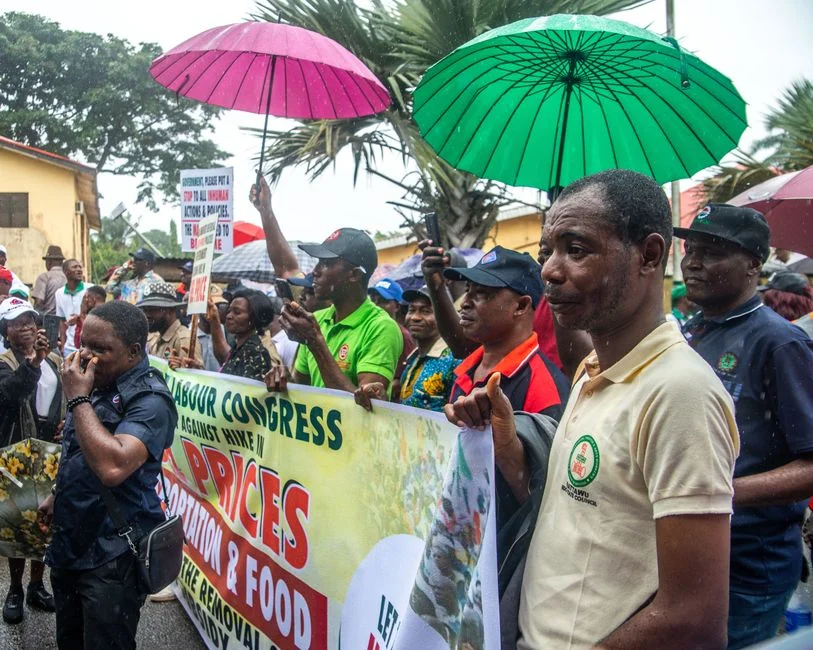
A Nigerian political movement has issued a stark warning to the leadership of Accord Party, urging party officials to ensure Olawepo-Hashim receives the party's electoral ticket for the 2027 general elections. The intervention comes amid reports of internal discussions that could have excluded the candidate from the party's nomination process.
The movement, identified only as AAM in local media reports, framed its demand as a matter of fairness and party integrity. The warning highlights deepening tensions within Nigeria's opposition parties as they position themselves ahead of the 2027 electoral cycle.
Internal Party Dispute Draws National Attention
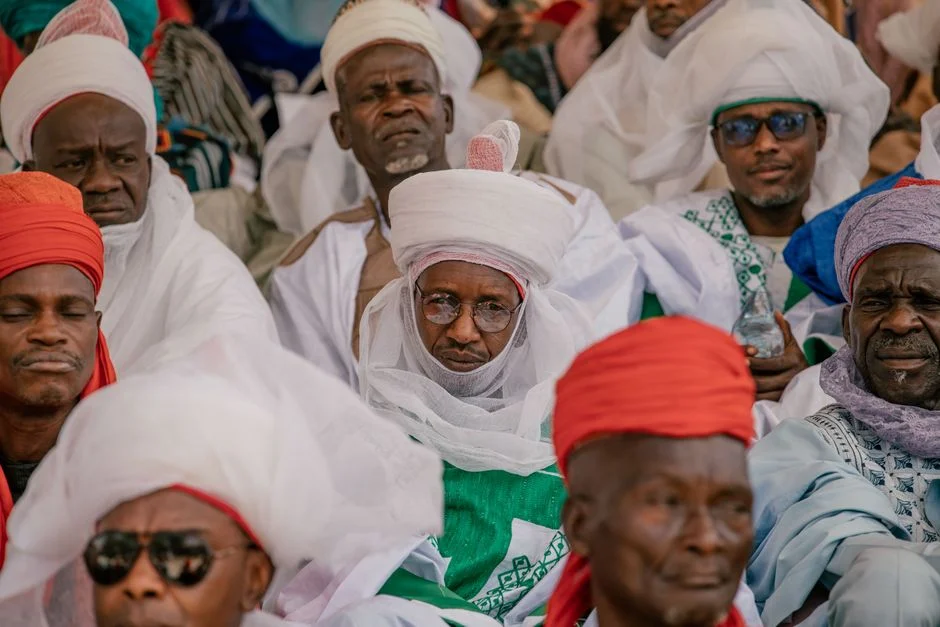
The controversy has drawn coverage from Vanguard News and other Nigerian outlets, with the dispute now spilling into public view. Sources familiar with the matter suggest internal debates within Accord Party have centered on strategic calculations about which candidates offer the strongest electoral prospects.
Accord Party, while not among Nigeria's largest political formations, maintains a presence in certain regional strongholds. The party's choice of candidates for the 2027 elections carries implications for coalition-building efforts among opposition forces seeking to challenge the ruling administration.
Party officials have not issued a formal response to the movement's warning. A spokesperson for Accord Party declined to comment when reached by news agencies, citing ongoing internal deliberations.
Political Horse-Trading Intensifies Ahead of 2027
Nigeria's political landscape is already showing signs of intense pre-election maneuvering, with parties across the spectrum reassessing their candidate rosters. The Olawepo-Hashim situation illustrates how internal party negotiations can quickly become public disputes.
Political observers note that ticket allocation in Nigerian politics often involves complex negotiations encompassing ethnic balancing, regional considerations, and coalition agreements. The 2027 elections are expected to draw significant attention given prevailing economic pressures facing Africa's largest economy.
Market Implications of Political Uncertainty
Foreign investors monitoring Nigeria closely understand that political stability influences economic policy continuity. The outcome of candidate selection processes across major parties shapes expectations for fiscal management, currency policy, and regulatory frameworks.
Nigeria's stock exchange and currency markets have shown sensitivity to political developments in previous election cycles. While Accord Party remains a secondary political force, the broader normalization of internal party disputes could influence investor sentiment regarding democratic governance standards.
Opposition Coalition Calculations


The timing of the AAM warning coincides with efforts by opposition parties to present a united front against the governing party. Negotiations over candidate tickets represent some of the most contentious aspects of coalition formation.
Several opposition parties have signaled intentions to field joint candidates in select constituencies, making individual party ticket allocations more significant. The fate of Olawepo-Hashim's candidacy could affect these delicate negotiations.
New Nigeria, a political platform that has previously collaborated with smaller opposition parties, is reportedly watching developments within Accord Party with interest. The incident underscores the challenges facing Nigeria's fragmented opposition as it seeks to mount a credible challenge to the incumbent administration.
Regional Economic Stakes
Nigeria's economic trajectory carries weight across the West African subregion. Currency fluctuations in Lagos or policy shifts originating from Abuja frequently produce spillover effects in neighbouring economies, a dynamic that South African businesses and investors have experienced firsthand.
Accord Party's official platform emphasizes certain economic reforms, though the party has not released detailed policy proposals for the 2027 campaign. The internal debate over candidate selection suggests differing views within the party about strategic direction.
Economists tracking the region note that political transitions in Nigeria historically coincide with adjustments in monetary and fiscal policy. The composition of parties' candidate lists offers early signals about potential policy priorities.
What Happens Next
Accord Party's national executive council is expected to finalize its list of candidates for the 2027 elections in the coming months. The Olawepo-Hashim situation remains unresolved, with AAM maintaining public pressure on party leadership.
Vanguard News has reported that the party's decision-making organs face competing pressures from different factions. Observers suggest a resolution could emerge before the end of the current quarter.
For regional investors, the episode offers a window into how Nigerian political parties handle internal dissent. How Accord Party responds to external pressure may signal the party's institutional maturity and capacity for coalition governance.
See Also
- Adidas Warns of Weak 2026 Outlook Amid Middle East Turmoil: What It Means for South Africa
- US Slams Iran Over Strait of Hormuz Tensions — Oil Prices Surge 5%