Northern Nigeria faces an economic reckoning. Years of insufficient power infrastructure have crippled industrial growth, chased away potential investors, and left businesses dependent on expensive private generators. Now, a new analysis by political commentator Usman Sarki argues that external solutions alone cannot fix what fundamentally requires internal transformation.
Power Shortages Strangle Northern Economies
Kano, Nigeria's second-largest city, exemplifies the problem. Factory floors sit quiet during peak hours because electricity supply remains unreliable. Small business owners in Kaduna report spending up to 30 percent of operating costs on diesel for backup generators. This is not merely an inconvenience — it is a structural barrier to economic development that Sarki examines in his recent work.
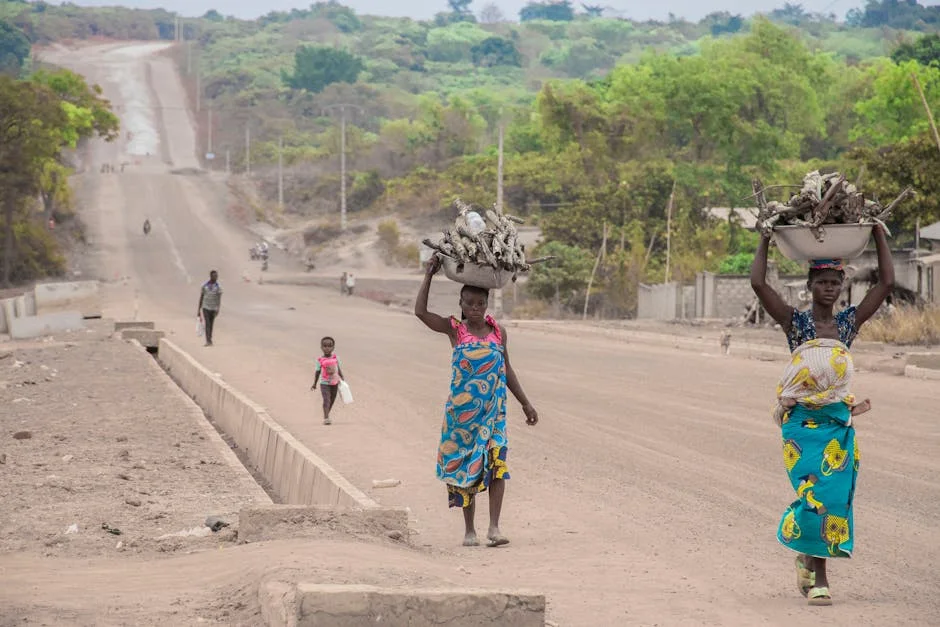
The national grid delivers sporadic power to northern states. Where coastal cities like Lagos have attracted manufacturing investment precisely because they offer more stable supply chains, northern regions remain stuck in a cycle of underdevelopment. The economic gap widens yearly, and investors take notice.
What Internal Renewal Actually Means
Sarki's argument centres on governance rather than technology. He writes that northern Nigeria must renegotiate its relationship with federal power structures, local leadership arrangements, and the private sector. The concept of negotiation, he suggests, goes beyond formal political talks — it encompasses how regional leaders engage with communities, how businesses partner with governments, and how resources get allocated at state level.
This reframing matters for outside observers. Development partners and foreign investors typically look at hard infrastructure: roads, railways, ports. Sarki argues they should equally assess soft infrastructure — the quality of local governance, the reliability of regulatory frameworks, the willingness of regional authorities to honour agreements.
The Business Case for Watching Northern Nigeria


For South African companies scouting West African expansion, the northern Nigeria equation carries weight. The region boasts over 80 million people and significant agricultural potential. Yet that market remains largely untapped because power and logistics costs eat into profit margins before goods ever reach consumers.
Peter Drucker's management philosophy, frequently cited in African business circles, emphasises that sustainable organisations must first fix internal dysfunction before chasing external growth. Sarki applies this logic to regional governance. Northern states, in his view, must demonstrate institutional capacity before they can effectively attract the capital they desperately need.
The question then becomes whether current leadership transitions represent genuine reform or merely political reshuffling. Investors monitor such shifts closely because governance quality directly affects contract enforcement, tax administration, and regulatory predictability.
What Surrender Signifies in This Context
The concept of surrender appears in Sarki's analysis not as capitulation but as acknowledgment. Regional elites must surrender the assumption that federal intervention will resolve structural problems. State governments must surrender protectionist instincts that shield inefficient local monopolies. Communities must surrender resistance to reforms that, while painful short-term, create sustainable long-term growth.
This framing resonates with economic development literature that stresses ownership. Projects imposed from outside consistently underperform compared to initiatives driven by local understanding and local commitment. Northern Nigeria's path forward, according to this analysis, requires stakeholders across the region to accept responsibility for their collective situation.
Implications for Regional Markets
Several factors will determine whether northern Nigeria moves toward genuine renewal or continues current stagnation. State governments in Kano, Katsina, and Sokoto have each announced economic development plans. Execution remains the challenge. Previous administrations announced similar ambitions with limited results.
For investors, the critical metric is policy consistency. Can northern states guarantee that tax incentives offered today will remain stable for the five to ten years required to establish manufacturing operations? Can regulatory approvals be obtained without bribery or political interference? Sarki's analysis suggests these are the questions that truly matter, not the grand announcements that typically dominate headlines.
What Happens Next
The coming months will test whether Sarki's call for internal renewal finds receptive audiences. State houses in northern Nigeria are preparing annual budgets that will reveal whether officials prioritise infrastructure spending or continue previous spending patterns. The Central Bank of Nigeria's monetary policy decisions will also influence whether credit remains available for industrial expansion.
Regional business councils have scheduled meetings through the first quarter where they plan to discuss power sector partnerships. Those gatherings will indicate whether private capital views northern Nigeria as salvageable or too structurally compromised. For South African firms considering West African operations, these developments offer concrete data points for investment decisions.
Watch for budget releases from Kano and Kaduna states in the coming weeks. Those documents will show whether political rhetoric about renewal matches fiscal reality.
See Also
- Kolathur Main Road Development Sparks Civic Debate — South Africa Watched Closely
- Bengal PM Invokes National Security Over Tukde Tukde Gang