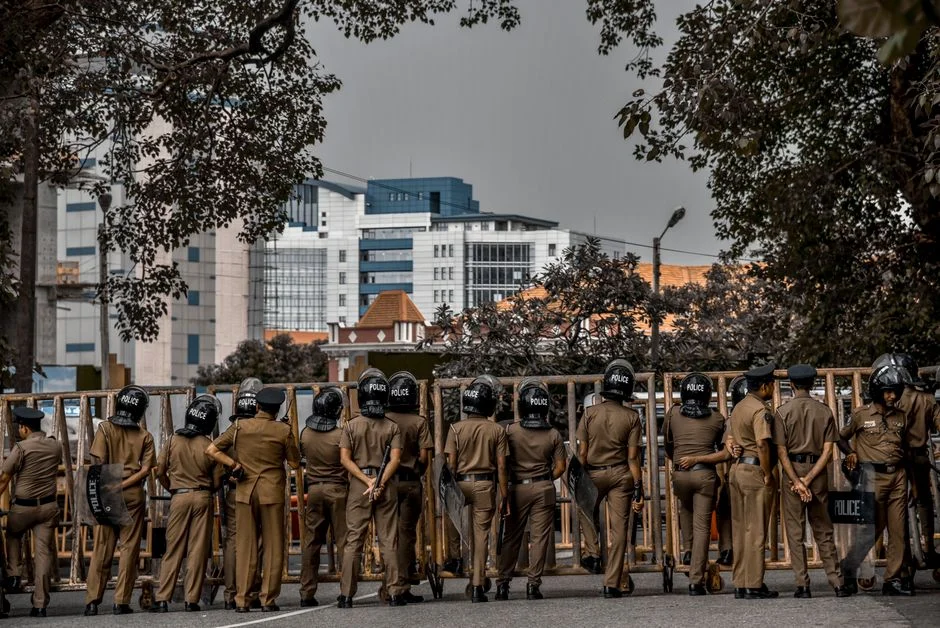
Kemi Seba, a prominent activist, was arrested in Johannesburg on Saturday at the request of Benin, which seeks to extradite him over coup allegations. This development has not only intensified political tensions but may also have far-reaching economic implications for both South Africa and Benin.
The Arrest and Its Immediate Aftermath
The arrest took place in Johannesburg, a major commercial hub in South Africa, where Seba was reportedly attending a conference. Benin has accused him of involvement in a coup attempt, a charge that has been vehemently denied by Seba and his legal team. The situation has drawn international attention, raising questions about the political stability in Benin.

South Africa, a country with its own complex socio-political landscape, faces a delicate situation. Hosting Seba, a controversial figure, could influence its diplomatic relations, especially with other African nations wary of external political activism.
Economic Repercussions in Benin
Benin's economy, which has been gradually growing with a GDP increase of 5.4% in 2022, could face setbacks if political instability ensues. The allegations against Seba might deter foreign investors who value stability and predictability in their ventures, potentially impacting sectors reliant on international investment, such as infrastructure and energy.
Businesses based in Benin may also experience challenges. The uncertainty could lead to tighter credit conditions and reluctance among international partners to engage in long-term contracts, thus slowing economic growth.
Investor Sentiment and Market Reactions

Markets often react sharply to political events, and this case is no exception. Investors with interests in Benin are closely monitoring the situation, assessing whether this could prompt changes in government policy or economic strategy. The outcome of Seba's extradition case may influence investor confidence and affect stock prices of companies with substantial investments in the region.
South Africa's Diplomatic Balancing Act
South Africa's role in this extradition request places it in a complex diplomatic position. The country often acts as a mediator in African conflicts and has to balance its international relations while upholding legal obligations. This case could test South Africa's diplomatic strategies and affect its reputation as a regionally stabilising force.
Wider African Implications
The arrest of Seba is also being watched by other African nations. As countries like Nigeria and Ghana look to strengthen their political landscapes, the outcome in South Africa could set precedents in handling politically sensitive extraditions. The African Union might also be compelled to intervene or mediate, showcasing the interconnected nature of African politics.
What Lies Ahead?
Looking forward, the court proceedings regarding Seba's extradition will be pivotal. A decision is expected within the next few weeks. Investors and businesses will need to stay informed of the outcomes and any resulting policy changes. Monitoring diplomatic communications and market reactions will be essential for those with vested interests in either South Africa or Benin.
See Also
- DMK Wins Tamil Nadu — Markets React to Political Stability
- Oil Prices Surge 9% Amid Israel War on Iran — What This Means for Africa