Protests erupted in Kenya on Monday after the United States military ignored a court order halting the establishment of an Ebola quarantine facility in the country. Local residents in Kisumu, which is located near Lake Victoria, expressed outrage over what they perceive as a violation of their rights and a lack of consultation from the authorities.
Court Order Ignored
The Kenyan court ruled against the US military's plans to set up a quarantine base, claiming it would violate the rights of citizens in the area. This decision came after concerns were raised regarding the potential risks to public health and the environment. In defiance of the ruling, military officials announced the facility would proceed, prompting widespread demonstrations from the community.
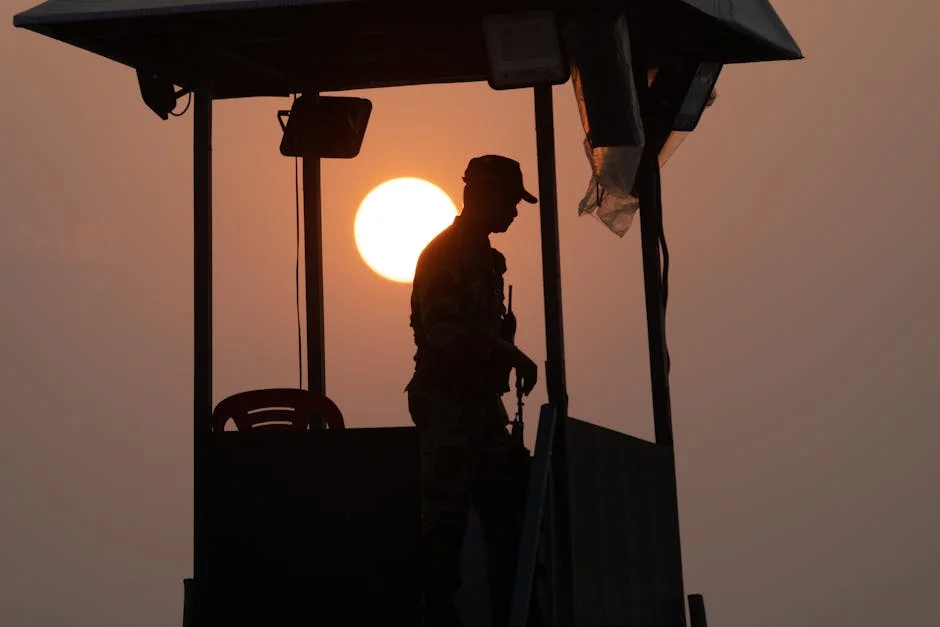
Local leaders have joined the protests, demanding accountability and urging the government to listen to the citizens' voices. "We cannot allow foreign entities to impose their will on us without our consent," stated local representative Mwangi Muriuki during a rally attended by over 2,000 people.
Economic Impact of Protests
The protests pose a significant threat to local businesses, with many shops forced to close due to safety concerns. The Kisumu Chamber of Commerce estimates that local merchants could lose up to 30% of their revenues during this unrest. Investors are now watching closely, as continued instability may jeopardise development opportunities in the region.
Moreover, the disruption could also lead to a decrease in tourism revenue, which is vital for the local economy. With the ongoing unrest, potential visitors may reconsider their plans to travel to the region, impacting hotels, restaurants, and other tourism-related businesses.
International Relations at Risk


The US-Kenya relationship, historically strong, faces potential strain as the military's actions resonate negatively among Kenyan citizens. Analysts note that the disregard for the court's decision could lead to a backlash against American interests in the country. Many Kenyans feel that their sovereignty is being undermined, leading to questions about the long-term viability of military cooperation.
Public Sentiment and Media Coverage
Media outlets are covering the protests extensively, framing the events as a struggle for local rights against foreign intervention. Public sentiment appears increasingly nationalistic, with calls for the government to protect its citizens from external imposition. The protests have become a rallying point for various civil society groups advocating for greater transparency and accountability from both government and foreign entities.
Next Steps for Businesses and Investors
Businesses in Kisumu and surrounding areas are advised to prepare for potential extended unrest, leading to further economic uncertainty. Investors should monitor developments closely, as the situation could evolve rapidly. Immediate steps include reassessing risk management strategies and considering contingency plans for supply chain disruptions.
As protests gain momentum, the Kenyan government faces pressure to address the citizens' concerns while balancing its international commitments. A resolution is crucial to restore stability and foster an environment conducive to business and investment.
What to Watch for Next
Looking ahead, the next court hearing regarding the quarantine base is scheduled for later this month. How government officials respond to public demands and subsequent legal rulings will be critical in determining the length and intensity of the protests. Stakeholders across sectors should remain vigilant and prepare for possible escalations in civil unrest that could ripple through the broader Kenyan economy.
See Also
- Zuma Trial Resumes — Markets Watch Legal Uncertainty
- South Africa Boosts Free Electricity to Millions — Market Reaction Uncertain