Eskom has launched a two-pronged offensive targeting both internal accountability and external debt recovery, confirming a forensic investigation alongside a coordinated push to recover R110 billion in outstanding municipal arrears. The state-owned power utility confirmed the dual strategy in a statement released from Johannesburg, marking a pivotal shift in how the struggling utility plans to restore its financial footing.
Forensic Probe Targets Internal Irregularities
The forensic component of Eskom's strategy involves a comprehensive audit of internal procurement and contract awards. Investigators are examining years of documented irregularities spanning multiple departments. The utility's board has reportedly given the investigation team unrestricted access to financial records dating back to 2019. Officials expect the forensic review to expose systemic weaknesses in approval processes that allowed irregular expenditure to accumulate undetected.
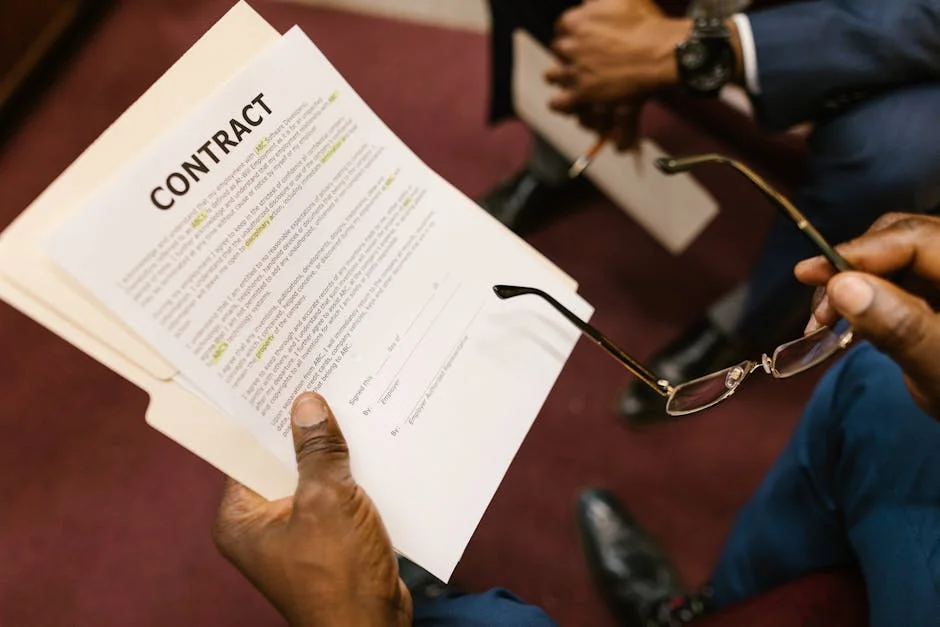
The scope of the audit extends beyond individual contracts to encompass broader governance structures within the utility. Sources familiar with the investigation indicated that the forensic team began work in late January, focusing initially on high-value infrastructure procurement deals. Eskom's acting head of legal confirmed the utility is cooperating fully with external auditors appointed by the board.
R110bn Municipal Debt Recovery Campaign
Simultaneously, Eskom is deploying its commercial machinery to tackle the R110 billion municipal debt pile that has crippled cash flow for years. Municipalities across Gauteng, KwaZulu-Natal, and the Eastern Cape account for the largest share of arrears. The debt recovery blitz represents the utility's most aggressive stance yet against defaulting councils, which have historically relied on disconnection threats that never materialised.
Eskom's credit control teams have been restructured to prioritise direct engagement with municipal finance officers. The utility is offering structured repayment agreements for councils willing to acknowledge their obligations, while adopting a harder line against those that refuse to engage. Industry analysts note that previous debt recovery efforts faltered due to political interference and inadequate enforcement mechanisms.
Industrial Customers Face Scrutiny
Beyond municipalities, Eskom is also targeting large industrial customers with significant arrear accounts. Mining operations in the Northern Cape and Mpumalanga feature prominently on the utility's watchlist of non-paying clients. The commercial division has identified approximately 340 accounts exceeding R50 million each in outstanding charges. Disconnection notices for repeat defaulters are expected to resume within the next six weeks following a temporary moratorium during the festive period.
Investor Implications and Market Reaction


The dual strategy carries significant implications for investors holding Eskom bonds and those monitoring South Africa's state-owned enterprise sector. Credit rating agencies have flagged municipal debt exposure as a key risk factor in Eskom's credit assessments. A successful recovery campaign could improve the utility's debt servicing capacity and potentially stabilise credit spreads. Conversely, failure to recover arrears risks further deterioration in the utility's financial position ahead of scheduled bond repayments in 2025.
Bond yields on Eskom's dollar-denominated debt showed modest tightening following the announcement, suggesting investors view the forensic cleanup as a positive governance signal. However, analysts at Nedbank CIB cautioned that meaningful credit improvement depends on actual cash recovery rather than announcements alone. The utility's ability to convert outstanding receivables into actual cash inflows will be the true test of the strategy's success.
Economic Consequences for Municipalities
Municipalities facing aggressive debt recovery from Eskom risk cascading service delivery failures if forced to redirect scarce revenue toward electricity arrears. Several cash-strapped councils in the North West and Limpopo provinces have already indicated they lack the fiscal capacity to honour full repayment demands. The South African Local Government Association has called for a government-mediated debt relief framework to prevent a systemic municipal funding crisis.
The conflict highlights the structural dysfunction in South Africa's electricity billing ecosystem, where municipalities act as intermediaries between Eskom and end-users. Many councils charge consumers for electricity but fail to pass those revenues onward, using the cash for other operational expenses. Eskom's new approach directly challenges this practice by holding municipalities accountable for consumption charges rather than extending credit indefinitely.
What Happens Next
Eskom's board is scheduled to receive a preliminary forensic report by the end of the second quarter. The findings will inform whether the utility pursues criminal referrals against former executives or seeks civil recovery of misappropriated funds. Simultaneously, the commercial team will report monthly on debt recovery progress, with the first public update expected in April.
Market participants should watch for signs of political resistance to the aggressive debt collection approach. Municipalities with ruling party affiliations may lobby for government intervention to soften Eskom's stance. The outcome of those political dynamics will determine whether the R110 billion recovery target remains realistic or requires downward revision.
See Also
- Sierra Leone's First Lady From Exposes Challenges Behind Child Marriage Ban
- Cosatu Backs Procurement Act as Cape Town Challenges It in Court
What is the latest news about eskom deploys forensic teams and r110bn debt blitz in dual survival push?
Why does this matter for sports?
What are the key facts about eskom deploys forensic teams and r110bn debt blitz in dual survival push?