Eskom confirmed Thursday it will switch off electricity supply across Gauteng for eight hours on Friday, forcing companies in Johannesburg and surrounding areas to activate backup systems or suspend operations entirely.
Scheduled Blackout Hits Heart of South African Commerce
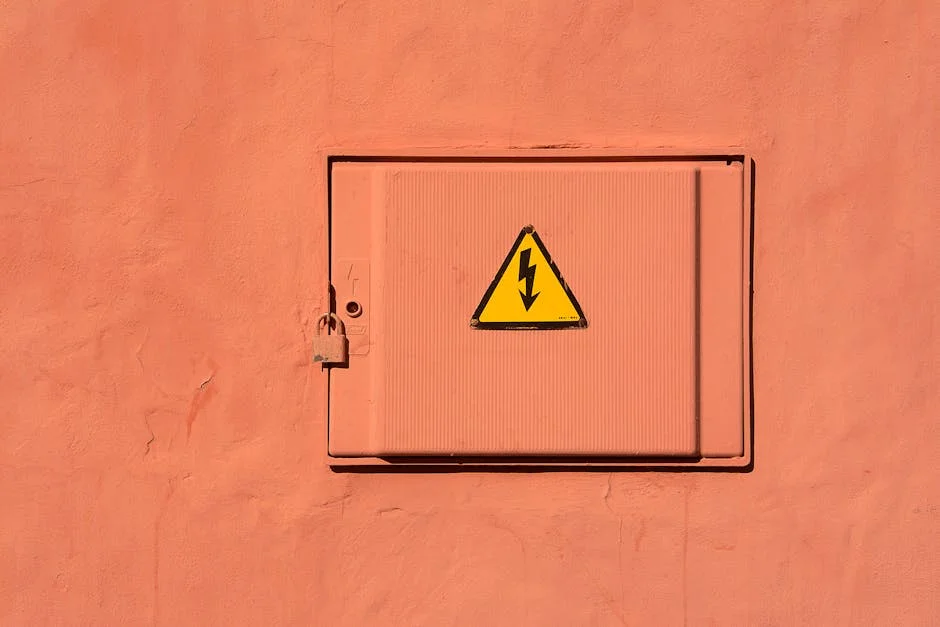
The power cut targets Gauteng, the economic hub that houses Johannesburg's financial district and Pretoria's government offices. Eskom said the shutdown is needed to carry out essential maintenance on transmission infrastructure. The utility did not specify which substations would be affected but warned that load-shedding could resume immediately afterward if maintenance reveals further faults.

Gauteng accounts for roughly 35% of South Africa's gross domestic product. Any disruption to its power supply sends ripples through mining houses, financial services firms, and the thousands of small businesses that rely on uninterrupted electricity to process transactions and maintain cold chain storage.
Businesses Count the Cost
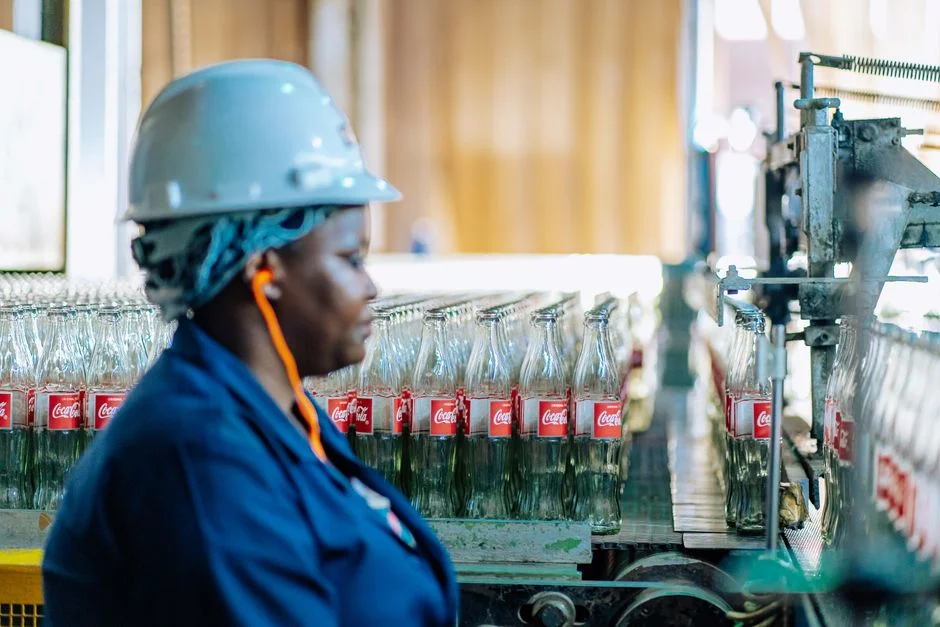
Retailers with point-of-sale systems and online platforms face immediate revenue losses during the outage window. Manufacturers operating continuous processes will need to shut down production lines safely, a process that typically takes hours before and after any power cut. Industrial companies often burn expensive diesel generators during Eskom interruptions, directly eroding profit margins.
The Johannesburg Stock Exchange, located in the province's economic heartland, relies on stable power for trading systems. While the exchange has its own backup generation, brokers and trading desks typically experience disruptions to research services and client communications when local supply fails.
Small Business Vulnerability
Spaza shops, salons, and informal traders across townships like Soweto and Alex lack generator capacity. Many will close completely during the eight-hour window, losing a full trading day. The informal economy employs millions of South Africans, and each hour without power translates to lost wages that cannot be recovered.
Why Friday Timing Amplifies the Impact


Friday is typically a critical day for retail and wholesale distribution networks. Delivery trucks complete weekly routes, cash is collected from outlets, and businesses reconcile accounts before the weekend. An eight-hour gap disrupts these rhythms and creates cascading delays that extend well beyond Friday evening.
Investors monitoring Eskom's performance will watch whether the utility meets its stated maintenance window. Any overrun signals deeper infrastructure problems and intensifies concerns about South Africa's generation capacity heading into the southern hemisphere summer, when demand for cooling pushes grids to their limits.
What Eskom Must Deliver
The utility faces mounting pressure to complete the work on schedule. Each hour beyond eight represents a credibility failure that erodes business confidence in the utility's operational discipline. Eskom spokespersons have not confirmed whether compensation mechanisms exist for commercial losses during planned outages.
Analysts note that scheduled maintenance, while disruptive, is preferable to unexpected failures that could leave Gauteng without power for days. The alternative to Friday's planned shutdown would likely be emergency repairs under worse conditions, with even longer restoration times.
Investor Sentiment at Stake
Foreign investors track Eskom's reliability as a barometer for South Africa's broader infrastructure quality. Frequent or extended outages damage the country's competitiveness rankings and deter new capital inflows. Friday's event provides a test case: can Eskom execute a complex maintenance operation without complications?
Rating agencies have repeatedly cited energy constraints as a structural weakness in South Africa's fiscal outlook. Persistent generation shortfalls force businesses to self-generate power, raising operating costs that ultimately flow into consumer prices.
Looking Ahead: What to Watch
After Friday's outage concludes, market participants should monitor whether Eskom reports completion of all planned work or identifies follow-up repairs requiring additional shutdowns. The utility is expected to publish a post-maintenance assessment by Monday morning.
Businesses unable to absorb Friday's losses may push for dialogue with the Gauteng provincial government about expedited infrastructure investment. The provincial energy department has previously indicated interest in accelerating wheeling arrangements that would allow large power users to source electricity from independent producers, bypassing Eskom's grid during peak demand periods.
The next scheduled update from Eskom's operations centre is expected Saturday morning, when the utility typically releases its seven-day outlook. That report will show whether maintenance has stabilised transmission capacity or whether further restrictions remain likely heading into next week.
See Also
- African Development Bank Warns of Slowing Growth — Investors Brace for Impact
- Kerala Election Surge Shocks Markets
Any overrun signals deeper infrastructure problems and intensifies concerns about South Africa's generation capacity heading into the southern hemisphere summer, when demand for cooling pushes grids to their limits.What Eskom Must DeliverThe utility faces mounting pressure to complete the work on schedule. Eskom spokespersons have not confirmed whether compensation mechanisms exist for commercial losses during planned outages.Analysts note that scheduled maintenance, while disruptive, is preferable to unexpected failures that could leave Gauteng without power for days.
What is the latest news about eskom confirms 8hour blackout in gauteng on friday business districts brace?
Why does this matter for infrastructure-cities?
What are the key facts about eskom confirms 8hour blackout in gauteng on friday business districts brace?