Jhon Arias found the net for Colombia on Saturday, sealing a victory that sent his nation into the last 16 of the tournament and providing Kansas City with a significant boost in international attention. The match drew thousands to the host city, spotlighting its growing role in the global sports economy.
Kansas City Cashes In on Football Fever
The Metropolitan area welcomed the Colombia-Ghana clash as part of a broader push to establish itself as a premier destination for international football in North America. Local officials confirmed that matchday revenue exceeded initial projections, with hotels, restaurants, and transport services reporting brisk activity throughout the weekend.

Sports economists have long pointed to Kansas City's investments in stadium infrastructure as a calculated bet on tournament hosting. Saturday's crowd suggested that wager is paying dividends. The city's positioning between the coasts places it conveniently for European and South American delegations, a factor tournament organisers cited when awarding fixtures.
What Colombia's Advancement Means for Sponsors
For Colombian sponsors and the national football federation, progression to the knockout rounds translates into extended commercial exposure. Broadcasting contracts typically include escalation clauses tied to how far teams advance, meaning Colombia's victory carries direct financial implications for rights holders and advertisers alike.
Market analysts in Bogotá noted that domestic brands linked to the national team saw measurable spikes in social media engagement following the result. Whether that translates into sustained consumer spending remains to be seen, but the immediate brand value boost is quantifiable in the short term.
Ghana's Exit and the Commercial Fallout
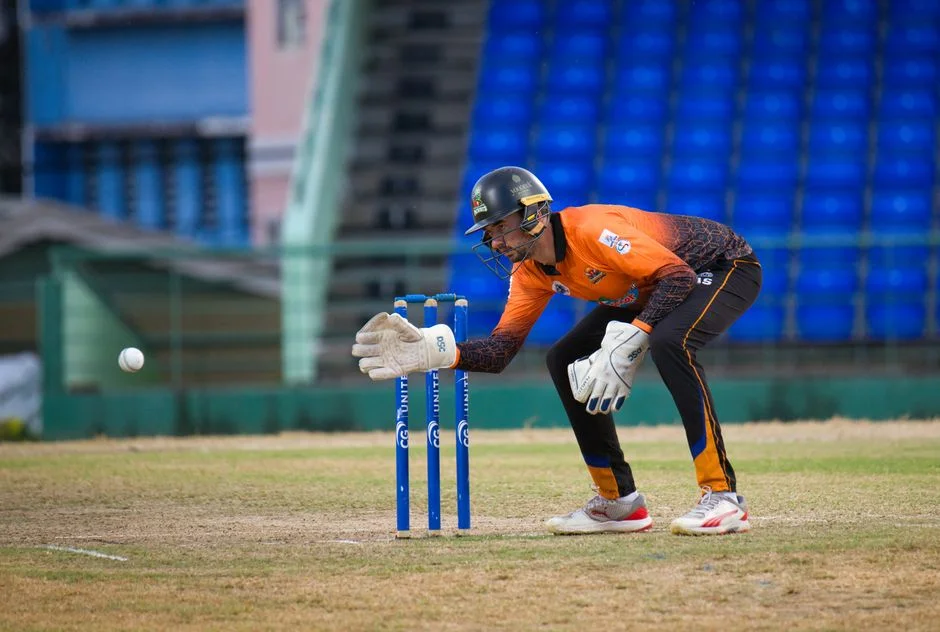

Ghana's elimination marks the end of their tournament run and forces a recalculation for the nation's football investors. The Black Stars arrived with considerable commercial backing, and their early departure means contracted promotional campaigns will not reach the audiences originally projected.
Local sports marketing firms in Accra are already reviewing activation strategies, with some shifting focus to youth development programmes that could benefit from the attention that typically follows major tournament appearances.
The Broader Economics of Football Tourism
Football tournaments generate economic ripple effects that extend well beyond matchday receipts. Hotels, airlines, and local businesses in Kansas City experienced what industry observers describe as a textbook tournament bump. The pattern is familiar in cities that successfully pitch themselves as tournament hosts.
The International Centre for Sports Studies estimates that each knockout-stage match hosted in a secondary market like Kansas City can generate between $15 million and $25 million in local economic activity. That figure accounts for accommodation, dining, retail, and the indirect spending that follows when international visitors extend their trips to explore the region.
What to Watch Next
Colombia will learn their last-16 opponent when the group stage concludes on Wednesday. The federation's commercial team is already mapping out media opportunities tied to the knockout fixture, with sources in Medellín indicating that ticket resale prices have begun climbing in anticipation.
For Kansas City, the economic case for future tournament bids strengthens with each successful hosting. City council members are expected to debate infrastructure funding proposals in the coming months, using Saturday's attendance figures as areference point for expanded investment in sports facilities.
See Also
- South Africa Faces South Korea in World Cup Tie — Economic Stakes Run Into the Billions
- PSG Faces Arsenal in Champions League Final — Nigeria's Zamfara Sparks Economic Buzz
The Black Stars arrived with considerable commercial backing, and their early departure means contracted promotional campaigns will not reach the audiences originally projected.Local sports marketing firms in Accra are already reviewing activation strategies, with some shifting focus to youth development programmes that could benefit from the attention that typically follows major tournament appearances.The Broader Economics of Football TourismFootball tournaments generate economic ripple effects that extend well beyond matchday receipts. The federation's commercial team is already mapping out media opportunities tied to the knockout fixture, with sources in Medellín indicating that ticket resale prices have begun climbing in anticipation.For Kansas City, the economic case for future tournament bids strengthens with each successful hosting.