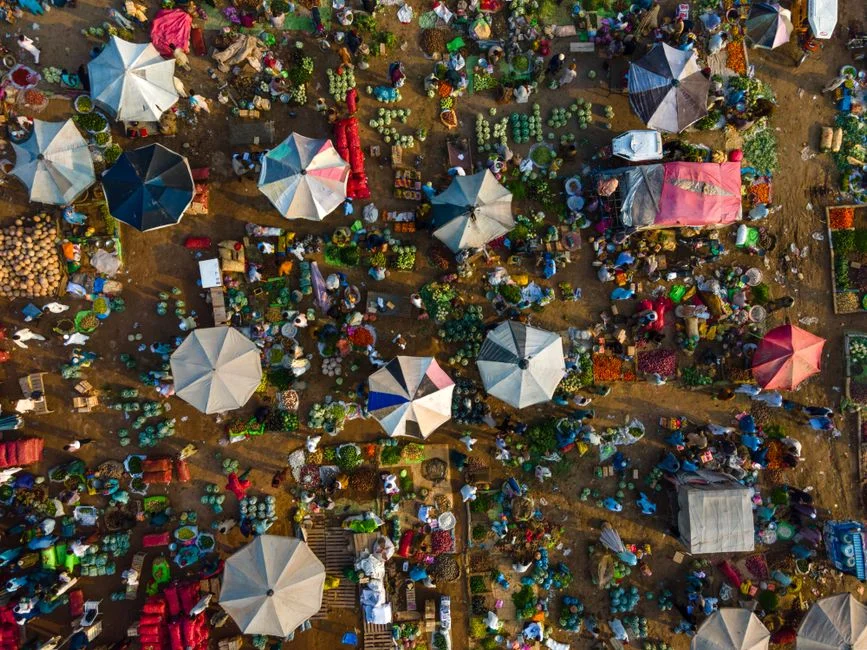
The African Union confirmed on Monday a $4.2 billion trade finance framework with the African Development Bank, unlocking liquidity for cross-border commerce across 14 member states. The agreement, signed in Addis Ababa, targets the persistent financing gaps that have long constrained intra-African trade, which currently accounts for just 15 percent of the continent's total commerce. Banks and investors watching African markets have already begun adjusting positions in anticipation of increased trade volumes.
Framework Targets $180 Billion Financing Gap
The deal addresses a financing shortfall the African Development Bank estimated at $180 billion annually for trade operations across the continent. Under the new framework, the AfDB will provide first-loss guarantees and liquidity facilities to participating commercial lenders, reducing risk on transactions that previously sat outside acceptable lending parameters. The initiative covers Kenya, Nigeria, Ghana, Ethiopia, Senegal, Côte d'Ivoire, Tanzania, Uganda, Rwanda, Mozambique, Zambia, Egypt, Morocco, and South Africa.
African Union Commissioner for Economic Affairs Wamkele Mbeci told reporters the programme would operationalise the African Continental Free Trade Area more quickly than previous efforts. "This removes the bottleneck that has kept small exporters locked out of regional supply chains," Mbeci said in Addis Ababa. The first transactions under the facility are expected to settle by late July.
South Africa Sees Port Capacity Pressure
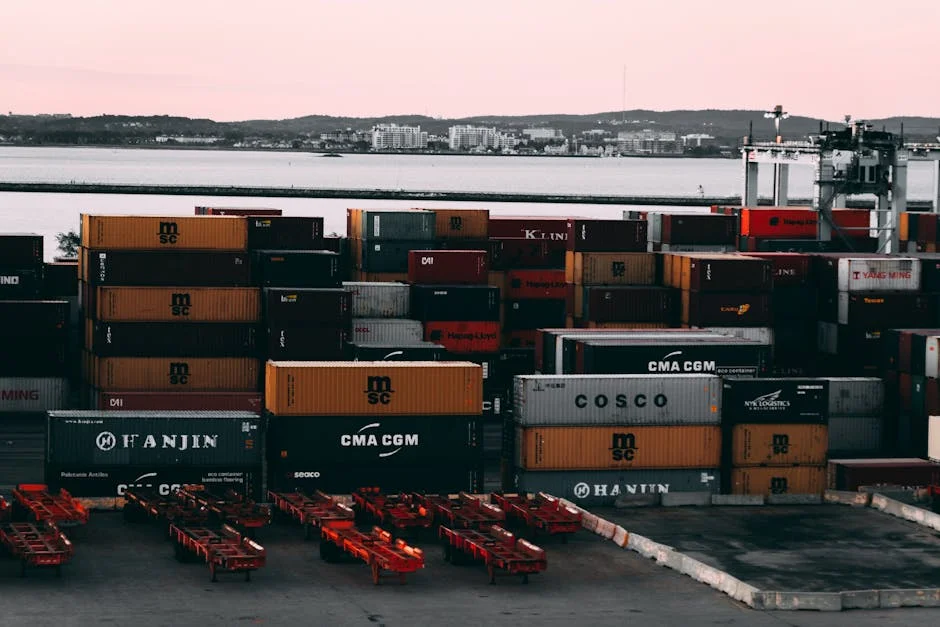
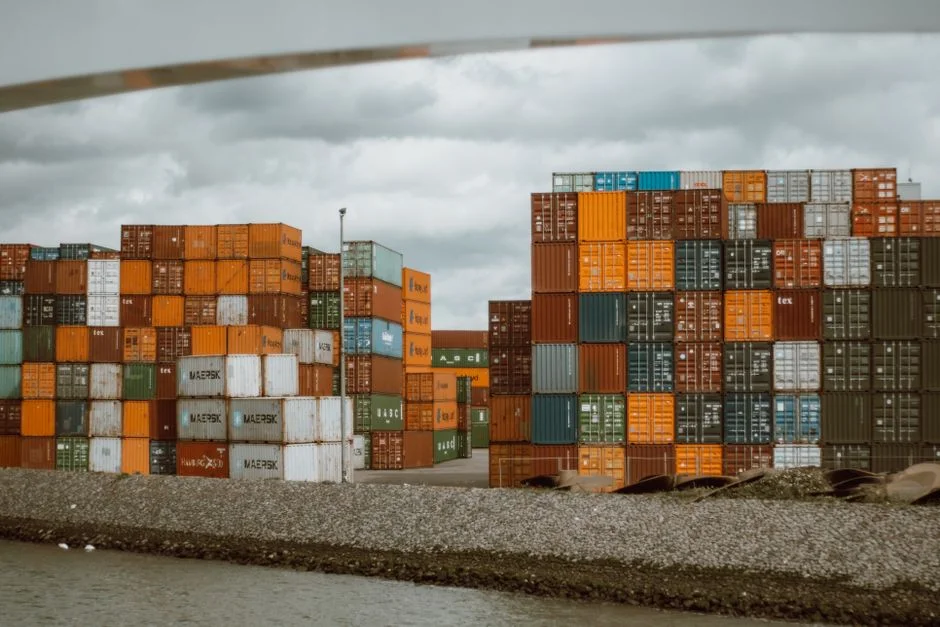
Durban's port authority confirmed this week it is handling cargo volumes 23 percent above its designed capacity, creating bottlenecks that traders say will intensify once the new trade finance arrangements accelerate demand. The Transnet National Ports Authority issued a statement warning that infrastructure upgrades at the Durban container terminal would not complete until the fourth quarter of 2027. Shipping lines are already applying surcharges of up to 18 percent on routes through South African ports, according to freight data reviewed by Africa Today.
Commodity traders and manufacturers in Gauteng province face the sharpest pressure. The Steel and Engineering Industries Federation of Southern Africa reported lead times for imported raw materials have stretched to 67 days, up from 42 days in January. That delay is compounding costs for manufacturers who depend on timely steel and aluminium inputs for export production.
Investor Sentiment Shifts Toward Infrastructure Funds
Fund managers managing assets in Johannesburg and Lagos are watching the infrastructure constraints with particular interest. Several have launched enquiries about logistics and warehousing projects in KwaZulu-Natal and Gauteng, according to two people familiar with the conversations who asked not to be named. African Infrastructure Investment Managers, which oversees $3.8 billion in assets, confirmed it is evaluating three port-adjacent development opportunities but declined to name counterparties.
Nigeria's Central Bank Moves on Currency Reform


Nigeria's Central Bank governor Olumide Adesanya announced on Thursday a revised managed-float mechanism for the naira, allowing a wider daily trading band of 5 percent versus the previous 2 percent corridor. The announcement sent the naira to 1,245 per dollar on the official market, its weakest level since early 2025. The bank clarified that import documentation requirements for 41 categories of goods would be relaxed starting July 1, a move intended to increase foreign exchange availability for manufacturers.
Lagos-based manufacturers have responded cautiously. The Manufacturers Association of Nigeria reported that 68 percent of its members intend to increase output in the third quarter, citing the currency flexibility and reduced paperwork. However, several importers warned that the weaker naira would raise costs on essential inputs, particularly chemicals and machinery parts priced in dollars and euros.
Kenya Secures Solar Panel Manufacturing Investment
Kenya's Ministry of Investment announced a $620 million commitment from a consortium led by Chinese solar manufacturer JinkoSolar to build a panel assembly facility in Nairobi's Athi River Export Processing Zone. The plant, planned for completion by March 2027, will have annual capacity of 1.2 gigawatts of solar panels. Kenya's Energy Regulatory Commission estimates the facility will create 4,300 direct jobs and reduce the country's import bill for solar components by an estimated $280 million per year once operational.
The investment comes as the Kenyan government has been offering 10-year tax holidays for renewable energy manufacturing operations under its Economic Transformation Agenda. JinkoSolar's East Africa director, Chen Wei, said in a statement that Kenya's geothermal and wind resources and its access to the AfCFTA market made it the logical choice for the company's regional manufacturing hub. The Athi River facility will primarily serve markets in Tanzania, Uganda, Rwanda, and Ethiopia.
IMF Review Looms for Ghana, Zambia
Ghana's finance ministry confirmed that an International Monetary Fund team will conduct its seventh review of the country programme from June 16 to 27 in Accra. The assessment will determine whether Ghana receives the next $250 million disbursement under its $3 billion extended credit facility. Finance Minister Casiel Awuni told journalists that preliminary indicators point to program compliance on fiscal deficit and debt targets, though he acknowledged that inflation, currently at 14.3 percent, remains above the bank's end-2026 target of 8 percent.
Zambia's finance ministry separately announced that debt restructuring talks with official creditors will resume in Geneva on June 24. The southern African copper producer has been working to conclude a restructuring of $13.1 billion in external debt since 2022. Chinese state lenders, who hold a significant portion of Zambia's debt, have been a key negotiating party. Zambia's kwacha has gained 8 percent against the dollar this year, reflecting investor optimism about an eventual deal.
Commodity Markets React to Supply Disruptions
Cocoa prices on the Intercontinental Exchange surged 12 percent in May after Ivory Coast's coffee and cocoa regulator reported that the main harvest in the world's largest producing country would fall 18 percent short of initial forecasts due to irregular rainfall. The price movement has already filtered into chocolate manufacturer costs in Europe and North America. Analysts at Marex Spectron estimated that the shortfall would support prices above $9,000 per metric ton through the third quarter.
Gold markets have remained relatively stable, with South Africa's mining sector reporting first-quarter output 4 percent higher than the same period last year, according to data from the Minerals Council South Africa. The sector employs approximately 110,000 people directly and remains a significant source of foreign exchange. Platinum group metals, however, have faced headwinds from slower electric vehicle adoption in China, where government subsidies for PGM-intensive fuel-cell vehicles were reduced in April.
What Happens Next
The African Union framework becomes operational on June 15, when participating banks can begin processing trade finance applications under the new guarantee structure. Markets participants will be watching transaction volumes closely over the following 60 days to gauge whether the liquidity unlock translates into real trade flows. South Africa's port congestion and Nigeria's currency flexibility will remain key indicators for investors assessing the pace of economic integration.
See Also
- Festival da Canção Reveals South Africa's Cultural Influence — Here's Why It Matters
- Kerala's Theyyam Revealed: A Guide to Experiencing the Ancient Rituals