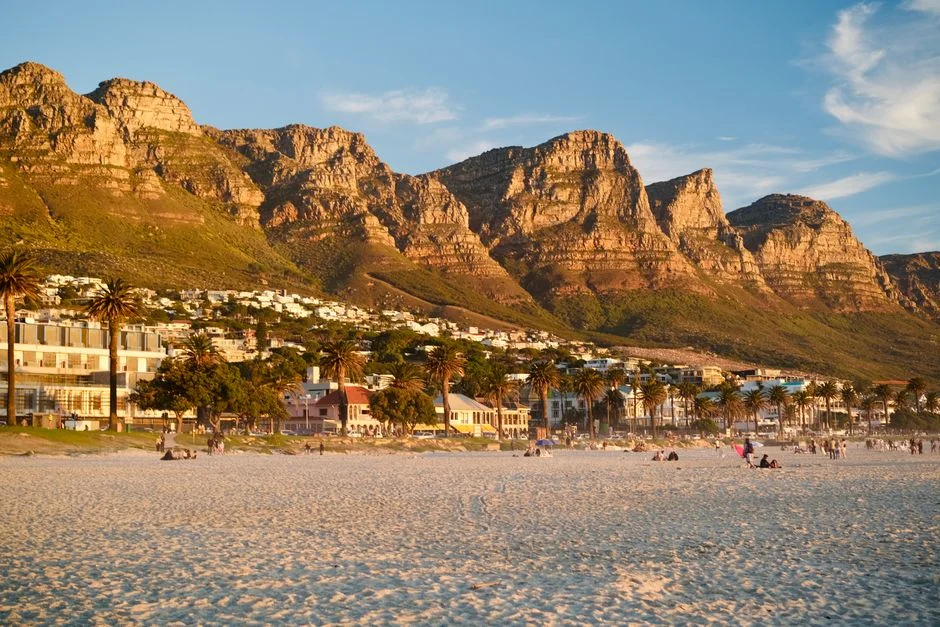
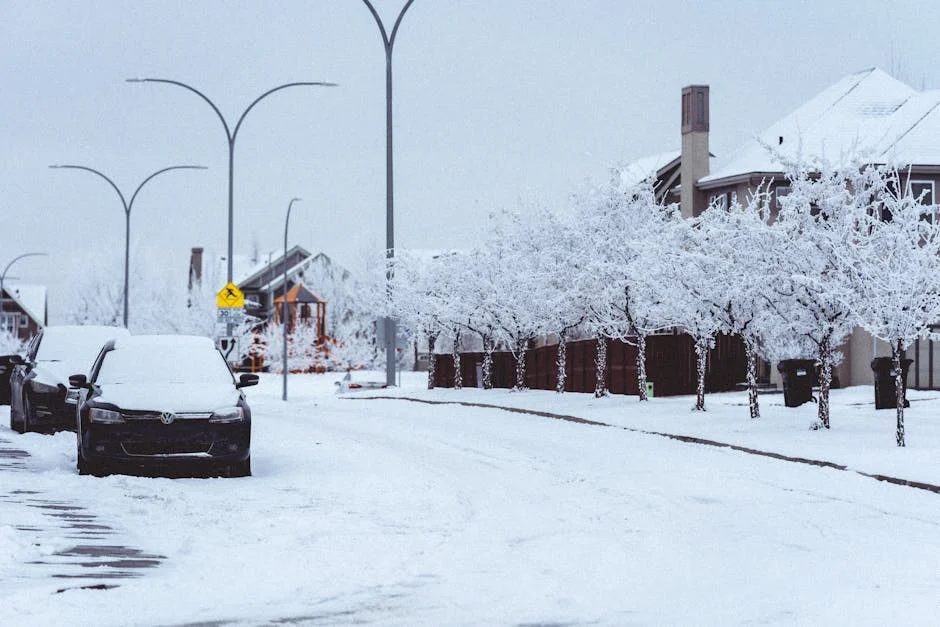
Severe weather conditions are set to impact South Africa this week, with forecasts predicting heavy downpours, flooding, and even snow in certain regions. Starting Tuesday, June 6, rain is expected to fall across various provinces, particularly affecting areas like the Western Cape and the Free State.
Economic Impacts of Severe Weather
The anticipated storms could have significant ramifications for South African businesses and the economy. The local agricultural sector, already strained by drought prior to the recent rains, stands at risk of further disruption. Farmers in regions like the Eastern Cape, who rely heavily on weather patterns, may face crop damage or delayed harvests due to the excess moisture.
According to the South African Weather Service, rainfall could reach up to 100mm in some areas, potentially leading to waterlogged fields and increased costs for farmers. With agriculture contributing about 2.5% to South Africa's GDP, any negative impact on this sector could ripple through the economy.
Market Reactions and Investor Sentiment
Investors are closely watching how the weather will affect commodities, particularly grains and livestock. Any tumult in supply chains could drive up prices. As of now, maize prices have shown some volatility this week, with an increase of 3.5% observed on the Johannesburg Stock Exchange due to speculative trading.
Markets are also responding sentimentally to forecasts of continued adverse weather conditions. Analysts from Standard Bank warn that prolonged heavy rains could lead to further economic downturns, especially if infrastructure is compromised and transport routes are rendered impassable.
Government Preparations and Responses

The South African National Disaster Management Centre has mobilised resources to aid affected areas. Western Cape Minister of Local Government, Anton Bredell, stated that emergency services are on high alert, ready to assist with evacuations and damage assessments.
Local councils are also preparing for potential flooding. Authorities in cities like Cape Town and Durban are advising residents to have emergency plans in place. Preparations range from clearing drainage systems to ensuring that emergency response teams are fully staffed and ready.
Long-term Consequences for Businesses
The economic fallout from this week's weather may not be felt immediately, but businesses must prepare for long-term implications. Retail sectors, particularly those reliant on agricultural products, could experience price hikes that impact consumer behaviour.
Service industries, including transportation and logistics, may also face increased costs if delays occur due to flooding. Business owners should anticipate potential supply chain disruptions, which may require them to seek alternative suppliers or adjust their inventory strategies.
What to Watch Next
As the situation develops, it is crucial for businesses and investors to stay informed about weather updates and government advisories. The South African Weather Service will issue ongoing forecasts throughout the week, providing further insights into potential impacts on both the economy and local communities.
Looking ahead, the upcoming discussions in Parliament regarding disaster relief funding may determine the extent of government support for affected regions. With a national focus on economic recovery, the response to this weather crisis will be pivotal for both short-term impacts and long-term growth.
See Also
- Ghana Leads as African Nations Slash IMF Debt in Key Economic Turnaround
- ICASA Slams Starlink: New Rules Could Cost Businesses Millions
Western Cape Minister of Local Government, Anton Bredell, stated that emergency services are on high alert, ready to assist with evacuations and damage assessments.Local councils are also preparing for potential flooding. Authorities in cities like Cape Town and Durban are advising residents to have emergency plans in place.
What is the latest news about south africa braces for floods and snow as june delivers severe weather?
Why does this matter for education?
What are the key facts about south africa braces for floods and snow as june delivers severe weather?