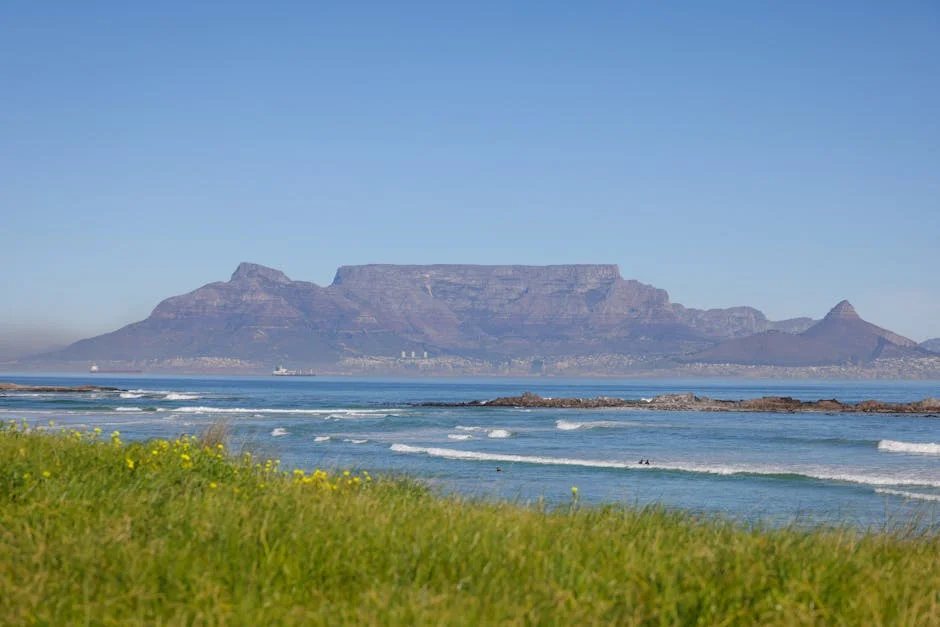
Severe storms have battered South Africa, bringing a chaotic mix of heavy rain, lightning, and hail that is disrupting economic activity across the nation. The weather systems, which intensified rapidly this Saturday, have forced businesses to react quickly to minimize operational downtime and financial exposure. Investors are now closely monitoring the situation as the immediate physical damage begins to translate into broader market signals.
Immediate Disruption to Key Economic Hubs
The storm systems have not spared the country's primary economic engines. In Johannesburg, the financial district experienced power fluctuations and transport delays that rippled through the daily trading routine. The Johannesburg Stock Exchange (JSE) saw initial volatility as traders reacted to real-time data feeds and logistical news from the floor. This immediate shock highlights how vulnerable the service sector is to sudden environmental changes.

Major retail outlets in Sandton and Rosebank reported footfall drops of up to thirty percent during the peak afternoon hours. Consumers stayed home to avoid the worst of the hail, which temporarily halted the weekly spending surge that typically drives Saturday revenue. This dip in consumer confidence, though brief, sends a warning signal to retail analysts who are already projecting a slightly softer quarterly performance. The retail sector must now account for these weather-induced variables in their short-term forecasts.
Impact on the Logistics and Supply Chain
The logistics sector faces perhaps the most immediate headache. Hail and heavy rain have turned major arterial roads into testing grounds for truck drivers, leading to delays in the just-in-time delivery models that many manufacturers rely on. The N1 and N3 highways, critical corridors for moving goods between Gauteng and KwaZulu-Natal, saw significant congestion. These delays increase fuel costs and compress margins for transport companies that operate on tight schedules.
Warehousing operations in Durban and Cape Town are also feeling the pressure. Heavy rain has led to minor flooding in low-lying industrial zones, forcing some firms to move inventory to higher ground. This operational shift requires additional labor and equipment, driving up short-term overheads. Supply chain managers are now scrambling to adjust routes and negotiate extended delivery windows with key clients to avoid penalty clauses. The ripple effect could be felt in the price of consumer goods within the next two weeks.
Transport Infrastructure Vulnerabilities
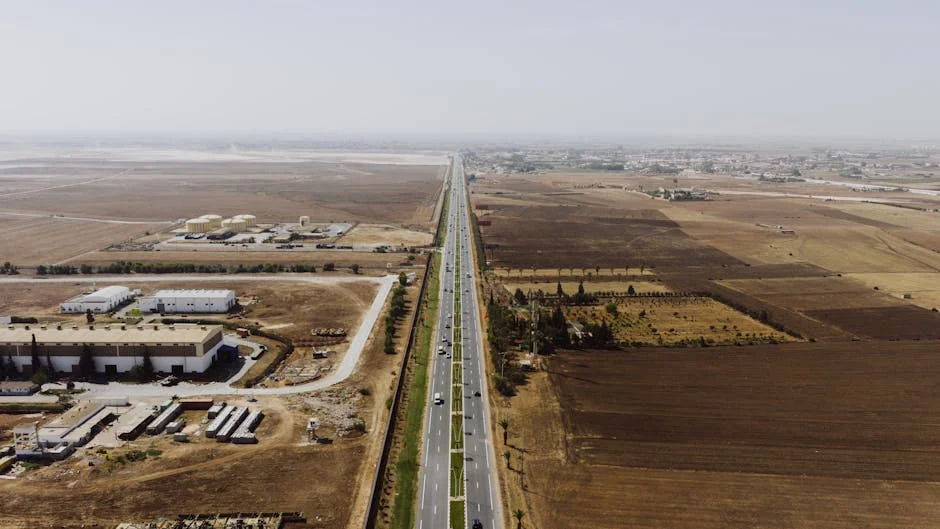
The National Department of Transport has issued alerts regarding the state of regional roads. Many secondary roads, which serve as lifelines for smaller towns, are prone to washouts during intense rainfall. This vulnerability exposes the infrastructure deficit that has long plagued the South African economy. Businesses located in these peripheral areas often face longer recovery times than their urban counterparts. The cost of repairing these roads falls largely on the municipal budgets, which are already strained. This dynamic could lead to increased local levies or delayed municipal services in the coming months.
Agricultural Sector Under Pressure
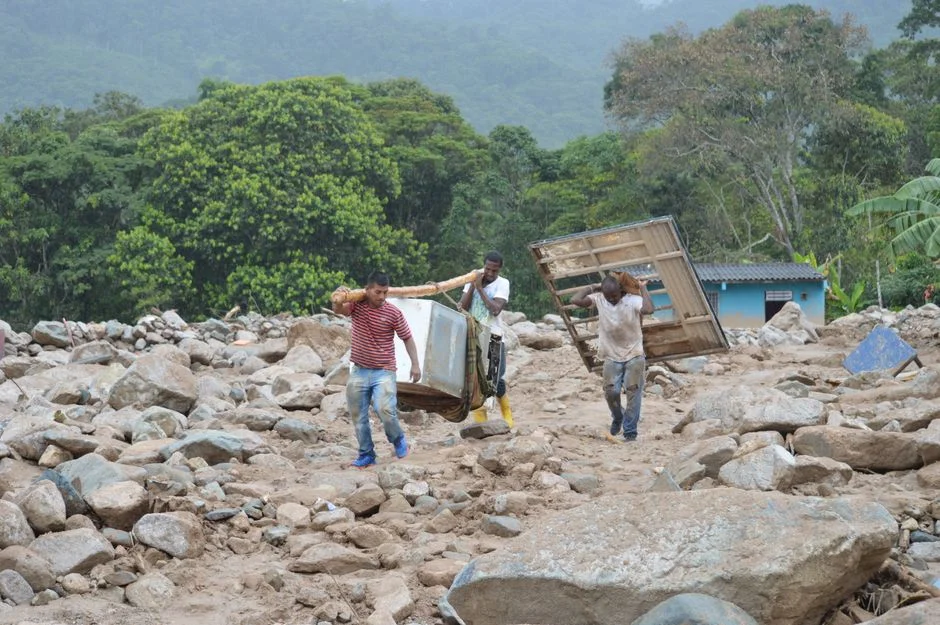
The agricultural industry, a cornerstone of the South African economy, is bracing for mixed outcomes. While some regions welcome the much-needed rain to replenish aquifers and boost crop yields, others fear that the hail has damaged mature produce. In the Western Cape, vineyards are particularly sensitive to hail, which can crush grapes just before harvest. Farmers in the Stellenbosch and Franschhoek areas are already assessing the damage to their Merlot and Shiraz vines. The potential for a reduced harvest could lead to higher wine prices globally within the next year.
Corn farmers in the Free State are also on edge. Hail can strip leaves from corn stalks, reducing photosynthesis and ultimately lowering grain yield. If the damage is severe, the country may need to increase imports to meet domestic demand, putting further pressure on the Rand. The Agricultural Research Council is likely to release detailed damage assessments in the coming week. These figures will be crucial for investors who hold stakes in agri-business giants like Tongaat Hulett and Illovo Sugar.
Energy Grid and Power Supply Concerns
The South African power grid, already tested by the ongoing electricity crisis, faced new challenges from the storms. Lightning strikes on transmission lines in Gauteng and Mpumeland led to localized outages. While these were largely temporary, they served as a reminder of the fragility of the national infrastructure. Businesses that rely on the national grid must consider the cost of backup power solutions, such as solar inverters and diesel generators. This capital expenditure is becoming a necessary line item for corporate balance sheets.
Eskom, the state-owned power utility, has reported that the storms did not cause a nationwide blackout, but the risk remains high. The combination of wind, rain, and lightning creates a perfect storm for transformer failures. Investors in the energy sector are watching these events closely, as they validate the thesis that renewable energy and decentralized power solutions are not just trends but necessities. The volatility in the energy market is likely to continue until the grid undergoes significant modernization.
Insurance Industry and Claim Surges
The insurance sector is preparing for a surge in claims, which will impact their short-term liquidity. Hail is one of the most common causes of property and vehicle damage in South Africa. Major insurers like Discovery and Old Mutual are likely to see an influx of motor and home insurance claims. This sudden spike in payouts can affect the combined ratio of insurance companies, a key metric for investors. Companies with robust reserves will weather this storm better than those with thinner margins.
For businesses, this means that insurance premiums may rise in the next renewal cycle. Insurers will adjust their risk models to account for the increasing frequency of severe weather events. This trend is part of a broader global shift where climate risk is being priced into insurance products. Companies that have not reviewed their coverage levels may find themselves underinsured. It is a critical time for CFOs to review their risk management strategies and ensure that their assets are adequately protected against environmental shocks.
Market Sentiment and Investor Reaction
Financial markets tend to react to uncertainty, and the severe storms have added a layer of unpredictability to the South African economic landscape. The Rand may experience short-term volatility as traders assess the impact on export revenues, particularly in the mining and agricultural sectors. Mining operations in the Witwatersrand basin often face flooding risks, which can disrupt gold and platinum output. This supply-side shock can influence commodity prices and, by extension, the value of the local currency.
Investors are also looking at the broader economic indicators. The storms serve as a microcosm of the larger challenges facing the South African economy: infrastructure resilience, supply chain efficiency, and climate adaptation. Those who can navigate these disruptions effectively will gain a competitive advantage. The market will reward companies that demonstrate agility and strong risk management practices. This event is a stress test for the economy, and the results will inform investment decisions for the coming quarters.
Business Continuity and Strategic Planning
For business leaders, this weather event is a call to action for improved business continuity planning. Companies need to evaluate their exposure to climate-related risks and integrate these factors into their strategic plans. This includes diversifying supply chains, investing in resilient infrastructure, and enhancing data analytics to predict and respond to disruptions. The cost of inaction is becoming increasingly high, as seen in the operational delays and financial losses experienced this weekend. Proactive measures can mitigate future damages and ensure smoother operations.
Collaboration between the public and private sectors will also be crucial. Municipalities need to invest in drainage systems and road maintenance, while businesses can contribute through public-private partnerships. This collaborative approach can enhance the overall resilience of the economy. The storms have highlighted the need for a coordinated response to environmental challenges. By working together, South Africa can build a more robust economic foundation that is better equipped to handle future shocks.
The next critical update will come from the South African Weather Service on Monday morning, which will provide a detailed forecast for the week ahead. Businesses should monitor this report closely to adjust their operational plans and mitigate further risks. Investors should also watch for quarterly earnings reports from key sectors, which will offer concrete data on the financial impact of these severe storms. Staying informed and agile will be the key to navigating the economic turbulence.
See Also
- Insufficient School Infrastructure: A Barrier to Quality Education in South Africa
- South Africa’s Retail Sector Faces Crisis as Nigerian Shop Owners Depart
Investors should also watch for quarterly earnings reports from key sectors, which will offer concrete data on the financial impact of these severe storms. Investors in the energy sector are watching these events closely, as they validate the thesis that renewable energy and decentralized power solutions are not just trends but necessities.