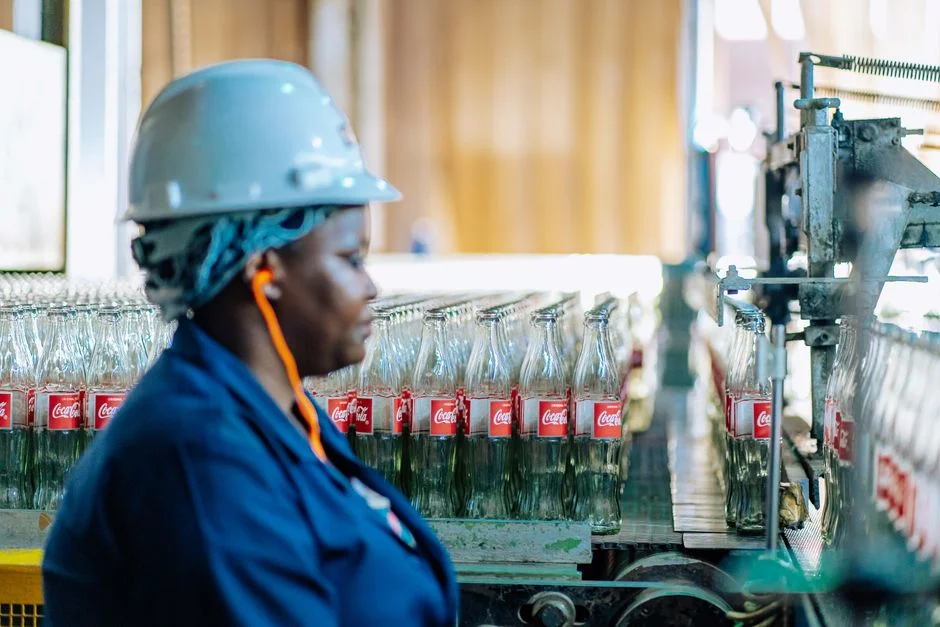
Dis-Chem, a leading South African pharmacy chain, announced a strategic expansion on Wednesday, aiming to enhance its market presence amidst ongoing economic challenges. The expansion coincides with the National Energy Regulator of South Africa (Nersa) granting tariff relief that could significantly impact operating costs for various businesses.
Nersa's Tariff Relief Explained
Nersa confirmed on June 5 that it would reduce electricity tariffs by 10% for specific sectors, a move designed to alleviate the financial burden on struggling businesses. This decision is expected to provide immediate relief to companies like Dis-Chem, which relies heavily on energy for its operations.
The reduced tariff could translate into lower operational costs, allowing Dis-Chem to invest more in its network of pharmacies and expand its service offerings. The company aims to open an additional 50 stores across South Africa by the end of 2024, which would create approximately 1,500 new jobs in the local market.
Business Leadership South Africa's Support for Sarb
Meanwhile, Business Leadership South Africa (BLSA) has publicly backed the South African Reserve Bank (Sarb) in its fight against rising inflation. By backing Sarb, BLSA has reiterated the importance of maintaining a stable monetary policy to protect the economy from volatile market conditions.
This support comes at a time when inflation rates have surged to 8.2%, prompting increased scrutiny of Sarb's interest rate decision-making. BLSA’s stance signals a commitment to economic stability, which could encourage investor confidence in the South African market.
Market Reactions to Recent Developments

Following Nersa's announcement, stock prices in energy-intensive sectors experienced an uptick, reflecting optimism about lower operational costs. Investors view the tariff relief as a catalyst for improved earnings in the retail and manufacturing sectors, with analysts predicting a potential 5% increase in profit margins for companies like Dis-Chem.
Furthermore, BLSA's endorsement of Sarb is likely to bolster market confidence, leading to increased foreign investment. Investors are keeping a close eye on how these developments will affect the overall economic landscape, particularly the resilience of the South African rand.
Implications for Local Businesses
Dis-Chem's expansion plans come at a critical time for South African businesses seeking growth opportunities. The pharmacy chain's initiative could inspire similar expansions within the industry, leading to a competitive landscape that benefits consumers.
However, businesses must remain vigilant as global economic uncertainties persist. With the ongoing war in Ukraine impacting fuel prices and supply chains, local companies may face challenges that could offset gains from tariff reductions.
What Lies Ahead for Investors?
As the economic situation evolves, investors should monitor upcoming meetings between Nersa and energy producers to gauge future tariff changes. These discussions could have lasting implications for the operations of energy-reliant companies.
Furthermore, the next rate decision by Sarb, expected later this month, will be critical in shaping the economic outlook. Investors are advised to stay informed about inflation trends and their impact on consumer spending and business investment.
Conclusion: Key Dates to Watch
Looking ahead, the outcomes of Nersa's upcoming consultations and Sarb's monetary policy decisions will be pivotal for market dynamics. Investors should stay alert to these developments, as they will likely dictate the trajectory of South Africa's economic recovery and growth opportunities over the next quarter.