South Africans woke to warnings on Sunday as meteorologists confirmed that morning frost and sub-zero temperatures will sweep across several provinces starting Monday. The cold front, expected to persist through mid-July, has triggered alert status across the country's agricultural belt, with forecasters predicting overnight temperatures dropping to minus 3 degrees Celsius in high-lying areas. Authorities urged livestock farmers and crop producers to take immediate protective action.
Agricultural Sector on High Alert
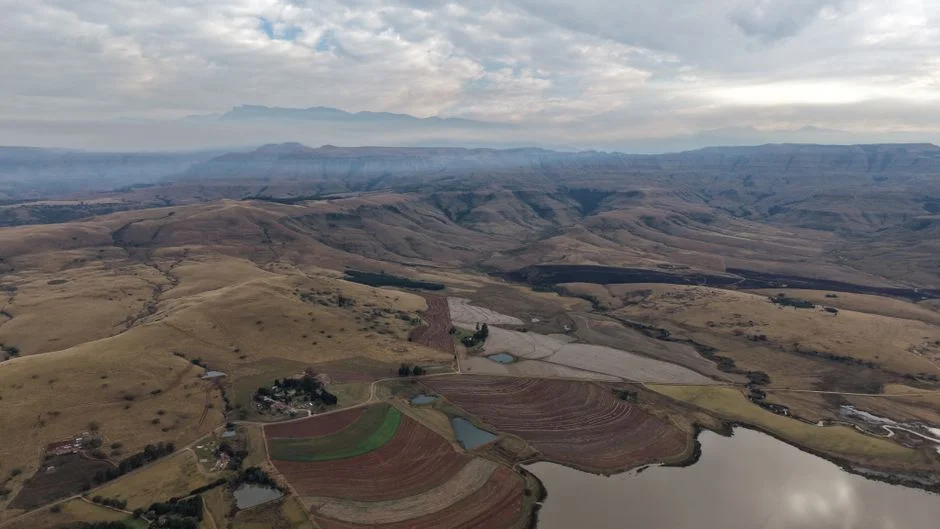
The South African Weather Service issued its highest-level frost advisory for the Free State, Mpumalanga, and Gauteng highlands, regions responsible for a significant portion of the country's winter grain and citrus production. Agricultural economists at Grain SA confirmed that citrus orchards and young seedlings face the greatest risk during this cold snap. The Western Cape, though typically drier during winter, also faces below-average temperatures that could damage early-season stone fruit crops still in bloom.

Energy Demand Set to Surge
Eskom, the state-owned electricity utility, is preparing for a sharp uptick in residential heating demand as households crank up heaters and electric blankets. Grid operators told reporters that the utility expects peak demand to climb by an estimated 2,000 megawatts over the next 48 hours. This comes at a sensitive time for Eskom, which has been battling to keep the lights on after a series of generator failures at its major power stations last month.
Independent energy analyst Mike Meyer noted that residential tariff hikes implemented earlier this year may cushion some of the blow to household budgets, but low-income communities relying on paraffin heaters face safety risks alongside financial strain. The Johannesburg-based South African Weather Service advised residents in informal settlements to ventilate properly when using indoor heating.
Retail and Winter Inventory
Major retailers including Shoprite Holdings and Pick n Pay Stores reported strong early sales of thermal blankets, electric heaters, and warm clothing over the weekend. Industry body Retail Council South Africa stated that winter merchandise moved at three times the normal rate on Saturday alone, suggesting households are taking the cold warning seriously. Wholesale fuel distributors in Durban confirmed an uptick in paraffin and liquefied petroleum gas orders heading into Gauteng and the Highveld.
Market Implications for Investors


Agricultural commodities traders on the Johannesburg Stock Exchange were monitoring grain futures closely on Monday morning. The South African Maize Board estimates that frost damage to standing crops in Mpumalanga could tighten regional supply if temperatures drop below minus 4 degrees for more than four consecutive hours. Such conditions historically push yellow maize spot prices higher by 4 to 8 percent within two weeks, according to trade data from the Grain Futures Exchange.
Insurance firms including Santam and Discovery Insure flagged that weather-related claims typically spike 15 to 20 percent during major frost events. Short-term insurers were preparing additional claims handling capacity, according to the Association for Saving and Investment South Africa.
Infrastructure and Transport Concerns
The South African National Roads Agency warned that black ice formation is likely on the Sani Pass and other high-altitude routes connecting KwaZulu-Natal to the interior. Trucking companies operating along the N3 corridor between Durban and Johannesburg, South Africa's busiest freight artery, advised drivers to delay non-essential travel during the coldest morning hours. Logistics firm Super Group stated it had activated its winter weather protocol at distribution centres across the Highveld.
What Comes Next
The weather service predicts temperatures will moderate from Thursday onward, with daytime highs returning to the mid-teens across most affected regions. However, agricultural extension officers in the Free State urged farmers not to lower their guard, pointing out that secondary frost events often prove more damaging than initial cold snaps. Crop insurance assessors were already on standby in Bethlehem and surrounding towns, according to the Department of Agriculture, Land Reform and Rural Development. Farmers who have not yet filed weather-related insurance documentation should do so before the week is out, industry sources confirmed.
See Also
- Local Celebrates Cricket’s Biggest Icon, Dave Callaghan — Economic Boost Ahead
- South Africa's Schoolboy Rugby Fixtures Ignite Local Economies This Weekend
Such conditions historically push yellow maize spot prices higher by 4 to 8 percent within two weeks, according to trade data from the Grain Futures Exchange.Insurance firms including Santam and Discovery Insure flagged that weather-related claims typically spike 15 to 20 percent during major frost events. Short-term insurers were preparing additional claims handling capacity, according to the Association for Saving and Investment South Africa.Infrastructure and Transport ConcernsThe South African National Roads Agency warned that black ice formation is likely on the Sani Pass and other high-altitude routes connecting KwaZulu-Natal to the interior.
What is the latest news about south africa braces for monday frost farms and power grid under pressure?
Why does this matter for education?
What are the key facts about south africa braces for monday frost farms and power grid under pressure?