A brace from Omewa powered Nigeria's Super Falcons to a commanding 3-0 victory over Senegal's Teranga Lionesses in Ikenne on Tuesday. The win signals growing momentum for women's football investment across West Africa, where commercial interest in the sport remains underdeveloped compared to men's competitions.
Match Details and Tactical Display
The Super Falcons controlled proceedings from the opening whistle at the Ikenne stadium, dominating possession and creating clear-cut chances throughout the first half. Omewa opened the scoring midway through the opening period, converting a well-worked team move that exposed Senegal's defensive vulnerabilities. The forward doubled his tally after the break, heading home from a corner kick to silence the travelling support.
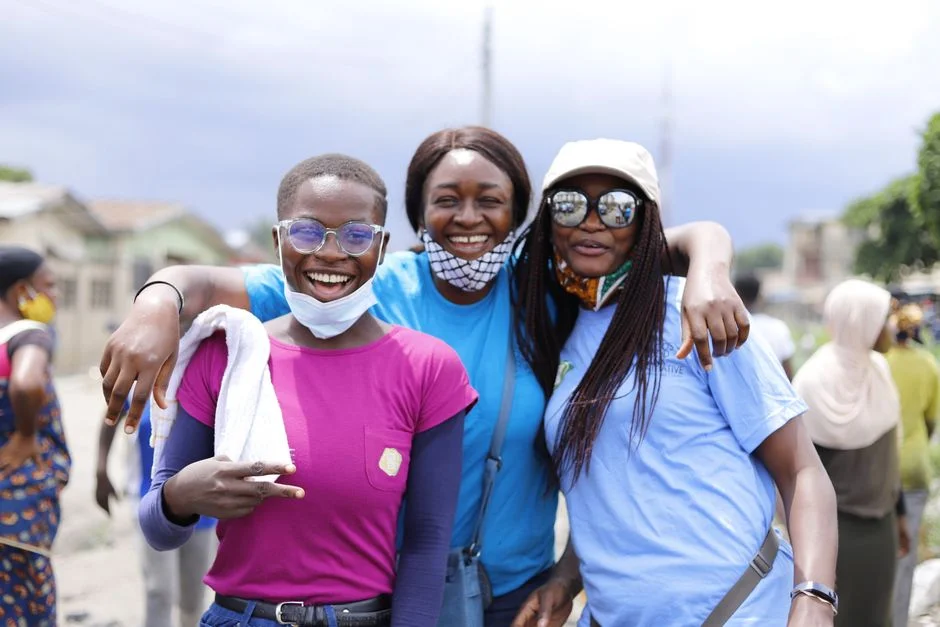
Senegal's Teranga Lionesses struggled to mount any meaningful attacking threat, managing just two efforts on target throughout the match. A third goal late in the contest completed the rout, leaving Nigeria's coaching staff satisfied with the clinical finishing on display.
Economic Context of Women's Football in Africa
The result arrives at a critical juncture for women's football investment on the continent. While European clubs have poured billions into women's teams over the past decade, African federations continue grappling with limited budgets and inadequate infrastructure. Nigeria's Super Falcons, historically Africa's most successful women's national team, have repeatedly called for improved conditions and competitive match opportunities.
The gap between expectation and resource allocation remains stark. Several Super Falcons players have relocated abroad seeking professional contracts, contributing to a brain drain that weakens domestic leagues. Clubs in Nigeria, Ghana, and South Africa report consistent difficulties attracting commercial sponsors willing to commit long-term funding.
Senegal's Development Challenges

For Senegal, the defeat highlights the uphill battle facing West African nations attempting to close the gap with traditional continental powers. The Teranga Lionesses have qualified for just one Women's Africa Cup of Nations tournament in their history, reflecting limited national investment in grassroots development programmes.
Local coaching officials in Dakar have advocated for increased government funding and private sector engagement, arguing that early-stage investment could yield significant returns within a generation. However, competing priorities in education, healthcare, and infrastructure often leave women's sport at the bottom of budgetary discussions.
Commercial Opportunities and Market Gaps
Despite the challenges, several indicators suggest untapped commercial potential in African women's football. Broadcasting rights for women's competitions have increased substantially since 2022, with the English Women's Super League securing a record domestic television deal worth £8 million annually. African leagues have yet to capture similar interest from global media companies.
Corporate sponsors similarly remain cautious. Market analysis from sports marketing firms operating in Lagos and Nairobi indicates that brand awareness for women's football remains significantly lower than men's competitions, creating a chicken-and-egg problem where limited visibility suppresses commercial returns, which in turn limits investment in visibility.
Infrastructure Constraints and Investment Needs
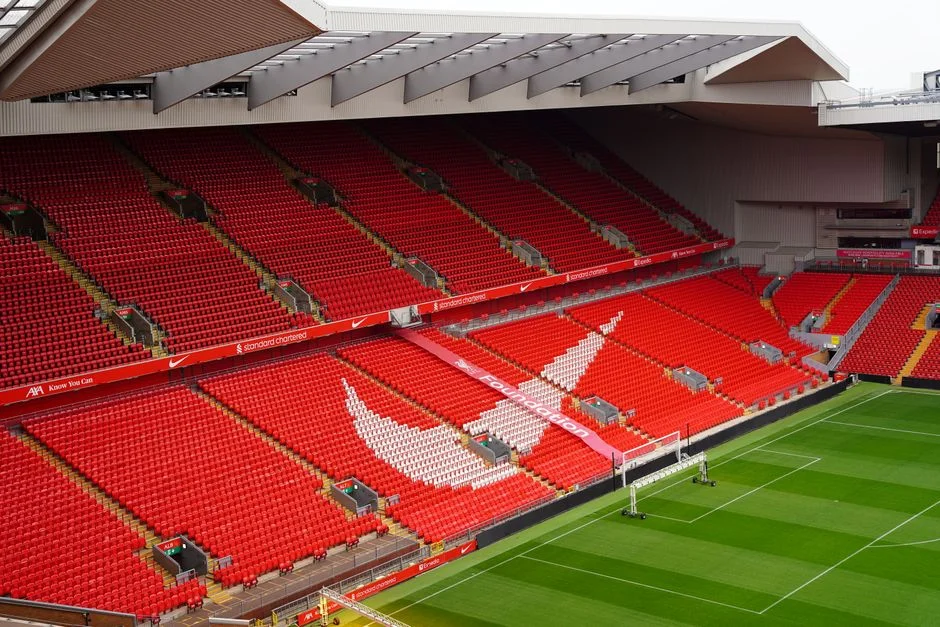
The match venue in Ikenne exemplifies broader infrastructure limitations across the region. While adequate for domestic fixtures, the stadium lacks the facilities and capacity required to host high-profile international events. CAF's criteria for hosting major tournaments mandate stadium capacities exceeding 20,000 seats, a threshold few Nigerian venues currently satisfy.
Private investment in stadium development has been sparse. The few purpose-built women's football facilities on the continent operate primarily as training grounds rather than revenue-generating match venues. Economists studying sports development argue that public-private partnerships could bridge this gap, though political risk and unclear return timelines deter most institutional investors.
Player Pathways and Economic Mobility
For individual players, success at international level offers genuine economic mobility. Professional contracts in Europe, Japan, Australia, and the United States frequently pay monthly salaries exceeding $5,000, amounts that dwarf average incomes across Sub-Saharan Africa. The Super Falcons' recent strong performances at the Women's Africa Cup of Nations have directly contributed to increased overseas transfer activity for Nigerian players.
However, structural barriers persist. Visa restrictions, language requirements, and cultural adjustment costs limit opportunities for many promising athletes. Agents operating in Lagos report growing demand from European clubs seeking African talent, but note that administrative hurdles often delay or prevent transfers entirely.
What Comes Next for Both Nations
Nigeria's Super Falcons will face stronger opposition in upcoming qualifiers for the 2026 Women's Africa Cup of Nations. The tournament, scheduled to take place in the Kingdom of Morocco, offers a pathway to the 2027 FIFA Women's World Cup, where prize money and commercial exposure reach significantly higher levels. CAF has announced increased prize money for the competition, with the winning nation set to receive $500,000.
Senegal's national federation faces decisions about squad development and coaching appointments ahead of their next competitive window. Local media in Dakar report that officials are evaluating candidates for the head coach position, with emphasis on candidates experienced in youth development.
Investors monitoring African women's football should watch media rights negotiations scheduled for the second quarter of next year. Several streaming platforms have expressed interest in acquiring rights to African women's national team competitions, though deal terms remain under discussion. Any agreement could reshape funding models for participating federations within eighteen months.
See Also
- France Bets on Kenya to Rewire African Trade Routes
- FRC Warns Nigeria's Actuaries Shortage Threatens $12bn Insurance Market
CAF's criteria for hosting major tournaments mandate stadium capacities exceeding 20,000 seats, a threshold few Nigerian venues currently satisfy.Private investment in stadium development has been sparse. The tournament, scheduled to take place in the Kingdom of Morocco, offers a pathway to the 2027 FIFA Women's World Cup, where prize money and commercial exposure reach significantly higher levels.
What is the latest news about super falcons thrash senegal 30 in ikenne omewa bags brace?
Why does this matter for agriculture-food?
What are the key facts about super falcons thrash senegal 30 in ikenne omewa bags brace?