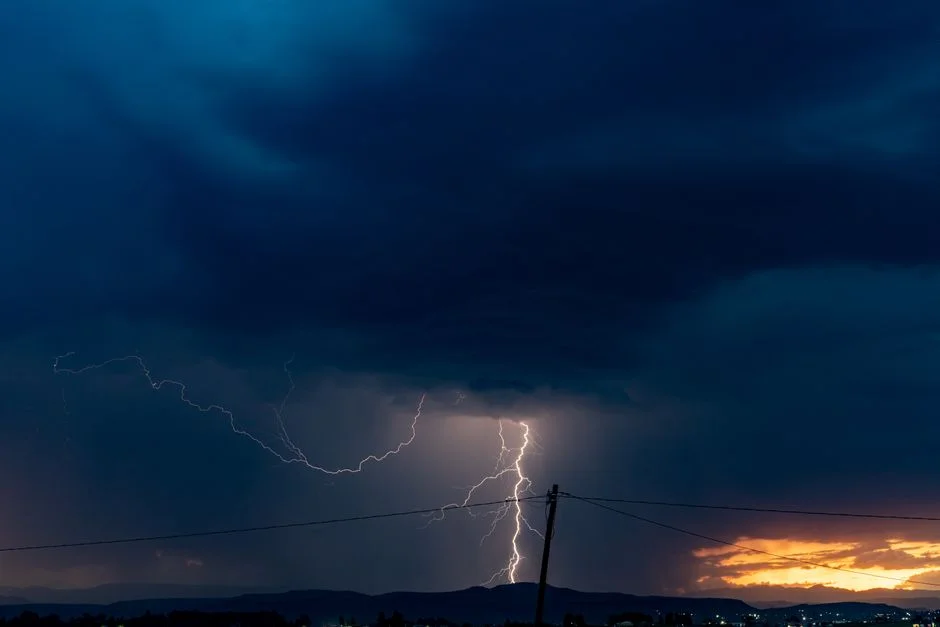
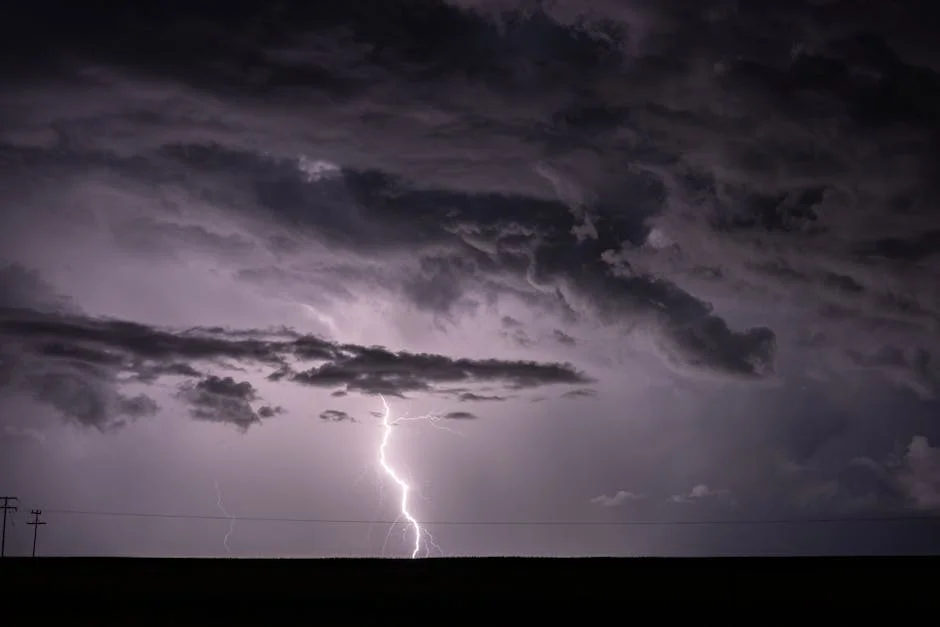
The Western Cape is set to experience cool and rainy weather this weekend, with temperatures expected to drop to as low as 12 degrees Celsius in some areas. This forecast, announced by the South African Weather Service, could have significant implications for local businesses and the agricultural sector.
Economic Concerns Amid Cooler Temperatures
As chilly conditions approach, businesses in the Western Cape, known for its agriculture and tourism sectors, may face challenges. Cooler weather could deter tourists from visiting popular hotspots such as Cape Town, impacting hospitality revenues just as the peak season begins. Last year, the region attracted over 2 million tourists in the summer months, contributing billions to the local economy.

Furthermore, farmers in the region might welcome the rainfall but worry about potential disruptions. The Western Cape’s agricultural output significantly contributes to South Africa’s GDP, with exports such as wine and fruit playing crucial roles. Any adverse weather could affect crop yields, prompting concerns about supply chain issues and price fluctuations.
Impact on the Agricultural Sector
Farmers will closely monitor the expected rainfall, as it can both benefit and hinder their operations. While the cool weather can alleviate drought conditions, it might delay harvesting for certain crops. A recent report indicated that the agricultural sector in the Western Cape accounted for 8.7% of the province's GDP.
Local farmers association chair, John Botha, stated, "While the rain is generally welcome, we must be cautious as it can disrupt operations and impact our overall yield projections.” Thus, business leaders are weighing their strategies based on weather forecasts and potential market shifts.
Market Reactions and Future Outlook


Financial markets may react to these weather predictions, particularly those related to agricultural investments. Shares of companies involved in food production and distribution could face volatility as investors assess the longer-term effects of the weather on supply and prices.
Analysts also suggest that businesses should prepare for fluctuations in consumer demand, particularly in sectors like retail and hospitality. If the weather remains cool and rainy, spending patterns might shift, reflecting people's reluctance to engage in outdoor activities.
Potential Implications for Energy Consumption
As temperatures drop, energy consumption may increase as households and businesses turn to heating solutions. Eskom, South Africa's power utility, might experience heightened demand, which could stress the already fragile power grid.
This increase in electricity demand could complicate the ongoing load-shedding issues, prompting concerns about energy supply stability and potential impacts on local economies. The anticipated demand surge could also lead to temporary increases in energy prices.
Transport and Logistics Challenges
The cooler and rainy weather may disrupt transport and logistics, impacting freight operations across the Western Cape. The region relies heavily on efficient logistics to transport agricultural goods to both local and international markets. Inclement weather can lead to delays, which may affect pricing and availability.
Logistics firms are advised to brace for potential complications and to have contingency plans in place. Local transportation companies are already assessing their readiness to manage these challenges, as timely deliveries will be essential to mitigate losses.
What to Watch Next
As the weekend progresses, businesses, farmers, and investors should remain vigilant. The expected weather patterns could have lasting effects beyond just the immediate forecast. Industry leaders are encouraged to stay informed through regular updates from the South African Weather Service and to adjust their business strategies accordingly.
The next few days will reveal how the Western Cape adapts to these weather challenges and what economic implications unfold as a result. In a volatile market, remaining proactive can make all the difference for businesses and investors alike.
See Also
- Africa Today Reports Trigger SA Market Volatility
- Os Epstein Files Sparks Tech Sector Turmoil in South Africa
Eskom, South Africa's power utility, might experience heightened demand, which could stress the already fragile power grid.This increase in electricity demand could complicate the ongoing load-shedding issues, prompting concerns about energy supply stability and potential impacts on local economies. If the weather remains cool and rainy, spending patterns might shift, reflecting people's reluctance to engage in outdoor activities.Potential Implications for Energy ConsumptionAs temperatures drop, energy consumption may increase as households and businesses turn to heating solutions.
What is the latest news about western cape weather forecast warns of cool rain impacts on local markets loom?
Why does this matter for technology-innovation?
What are the key facts about western cape weather forecast warns of cool rain impacts on local markets loom?