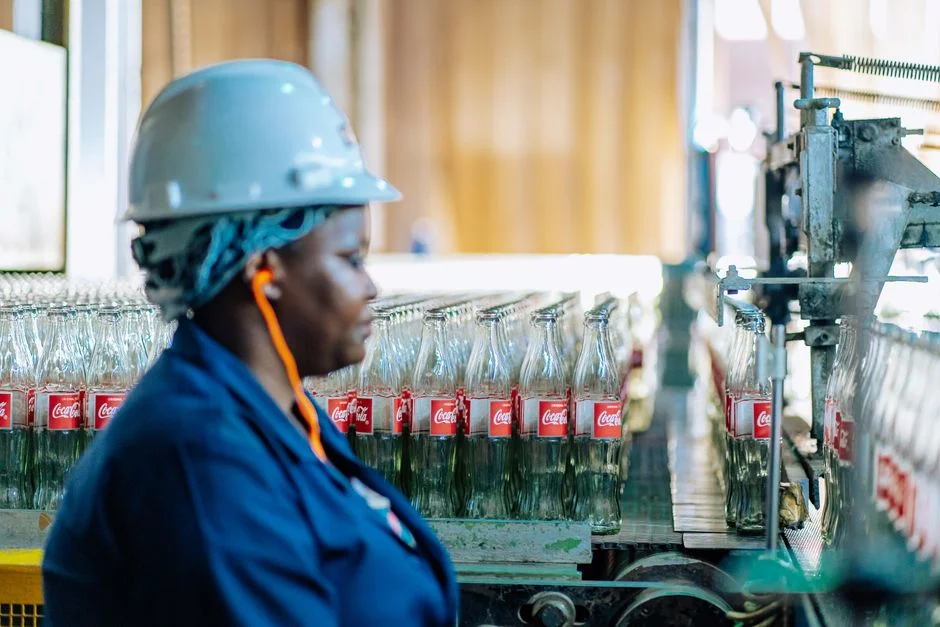
South African logistics leaders are reversing course on full automation, bringing human workers back into high-tech warehouses to stabilize operations. This strategic pivot challenges the prevailing narrative that artificial intelligence and robotics will completely displace the local workforce in the near term. Companies in Johannesburg and Cape Town are finding that technology alone cannot solve the complex inefficiencies plaguing the national supply chain.
The Limits of Automation in Local Logistics
Investors who poured capital into smart warehouse solutions in South Africa are now facing a reality check. The initial promise was that automated guided vehicles and AI-driven inventory systems would slash operational costs by up to thirty percent within two years. However, data from major distribution centers in Gauteng suggests that efficiency gains have plateaued without human intervention. The technology works, but it lacks the adaptability required by the volatile South African economic environment.
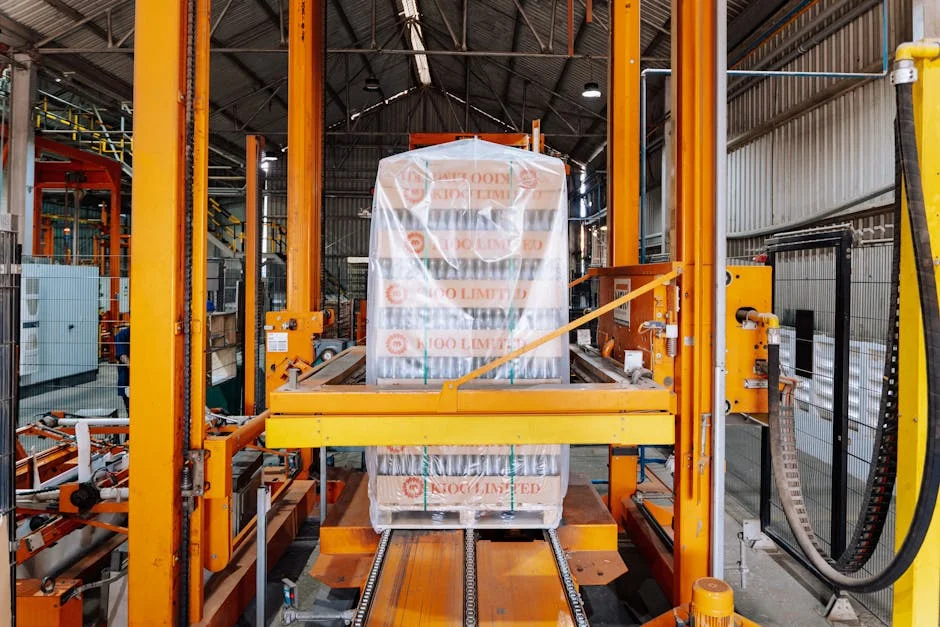
Businesses are discovering that robots struggle with the unpredictability of local infrastructure. When power outages disrupt server farms or road congestion delays inbound trucks, automated systems often freeze. Human staff members provide the necessary flexibility to reroute goods and manage exceptions that algorithms fail to predict. This dependency on human problem-solving is forcing companies to re-evaluate their labor-to-capital ratios.
Economic Pressures Drive Strategic Hiring
The decision to hire more staff is not merely operational; it is a direct response to macroeconomic pressures. Inflation in South Africa remains sticky, driven largely by food and fuel prices that fluctuate weekly. Retailers need to turn over inventory faster to maintain cash flow, and human pickers often outperform machines in high-variety, low-volume scenarios. This dynamic is particularly evident in the e-commerce sector, where same-day delivery expectations are intensifying.
Investors should note that this trend increases labor costs but reduces capital expenditure on hardware. Instead of buying more expensive conveyor belts, firms are investing in training programs for warehouse associates. This shift could lead to a more resilient business model that is less vulnerable to supply chain shocks. The South African Reserve Bank has highlighted logistics efficiency as a key driver of productivity, making this labor-focused approach economically sound.
Impact on Local Employment Markets
The return of human workers to smart warehouses offers a glimmer of hope for the jobless economy. South Africa’s unemployment rate has hovered around thirty-five percent, creating immense pressure on the middle and working classes. Warehouse roles, which traditionally required high school education and basic technical skills, are seeing a resurgence in demand. This could help absorb some of the surplus labor from the retail and manufacturing sectors.
However, these are not the same jobs as before. Workers now need to be tech-savvy, comfortable interacting with digital dashboards and wearable devices. This creates a new skill premium, potentially raising wages for warehouse staff in major hubs like Durban and Pretoria. Employers are beginning to offer better benefits to attract candidates who can bridge the gap between manual labor and digital oversight.
Technology as an Enabler, Not a Replacement


Leading firms in the sector are reframing technology as a tool for empowerment rather than displacement. Companies like Pick n Pay and Woolworths are integrating AI to assist workers, not replace them. For example, wearable devices guide pickers to the most efficient routes, reducing physical strain and increasing accuracy. This symbiotic relationship boosts productivity without the high maintenance costs of fully robotic systems.
Market analysts observe that this hybrid model offers a better return on investment for South African businesses. The cost of importing and maintaining advanced robotics remains high due to currency fluctuations. The Rand’s volatility makes capital-intensive projects riskier, favoring solutions that leverage existing human capital. This pragmatic approach is likely to influence how investors value logistics companies in the coming fiscal year.
Infrastructure Challenges in Key Hubs
The unique infrastructure challenges in South Africa make full automation difficult to sustain. Load shedding continues to disrupt the continuous power supply required for many automated systems. While battery backups exist, they add complexity and cost to warehouse operations. Human workers can adapt to shorter shifts or alternate lighting conditions more easily than sensitive electronic equipment.
Furthermore, road infrastructure issues affect the timing of goods arrival and departure. In Johannesburg, traffic congestion can delay truck arrivals by hours, throwing off automated scheduling algorithms. Human dispatchers can negotiate with drivers and adjust loading sequences in real-time, minimizing downtime. This flexibility is crucial for maintaining service levels in a market where consumers are increasingly price-sensitive.
Investment Implications for Stakeholders
For investors, this shift signals a change in how to evaluate logistics firms. Companies that successfully integrate human labor with smart technology may see higher profit margins than those pursuing pure automation. Shareholders should look for businesses that are investing in employee training and digital interfaces rather than just buying hardware. This focus on human capital can lead to better retention rates and lower turnover costs.
The stock market reaction to these developments has been mixed but generally positive for firms with strong labor strategies. Investors are rewarding companies that demonstrate adaptability and cost-control measures. As the South African economy continues to grow, the logistics sector will remain a critical component of GDP. Those who balance technology and labor effectively are likely to outperform their peers.
Future Outlook for the Sector
The trend toward hybrid workforce models is expected to accelerate in the coming years. As technology becomes more affordable, more small and medium-sized enterprises will adopt smart warehouse solutions. However, they will likely follow the lead of larger firms by retaining human staff for complex tasks. This evolution will require continuous investment in employee skills and digital infrastructure.
Regulators and policymakers should take note of this development. The need for a skilled logistics workforce could influence education and training initiatives in the sector. Partnerships between universities and logistics companies may become more common to create a pipeline of tech-savvy workers. This collaboration could strengthen the overall competitiveness of South Africa’s supply chain.
Watch for quarterly earnings reports from major logistics providers in the next six months, which will reveal whether this hybrid model is delivering the promised efficiency gains. Investors should monitor changes in labor costs and technology expenditure to gauge the long-term viability of this strategy. The coming year will be critical in determining whether human staff remain an essential component of smart warehouses in South Africa.
See Also
- Africa Today Reports Trigger SA Market Volatility
- South African Treasury Triggers Fuel Levy Increase, Crushing Price Relief
Watch for quarterly earnings reports from major logistics providers in the next six months, which will reveal whether this hybrid model is delivering the promised efficiency gains. Market analysts observe that this hybrid model offers a better return on investment for South African businesses.