The United Arab Emirates has formally announced a multi-billion dollar investment package aimed at stabilizing South Africa’s economic trajectory, marking one of the largest capital influxes into the continent’s largest economy in the post-pandemic era. This strategic financial injection targets critical infrastructure deficits and energy security, directly addressing the bottlenecks that have long plagued local businesses and deterred foreign direct investment. The move signals a decisive shift in global capital allocation, with Middle East sovereign wealth funds positioning themselves as key players in the African growth narrative.
Capital Inflows and Market Reaction
Financial markets in Johannesburg reacted swiftly to the announcement, with the Johannesburg Stock Exchange (JSE) seeing a notable uptick in the All-Share Index. Investors interpreted the commitment as a vote of confidence in South Africa’s ability to manage its fiscal challenges through strategic partnerships rather than relying solely on domestic revenue generation. The rand strengthened against the US dollar, reflecting reduced currency volatility and improved sentiment among international traders monitoring emerging market assets.
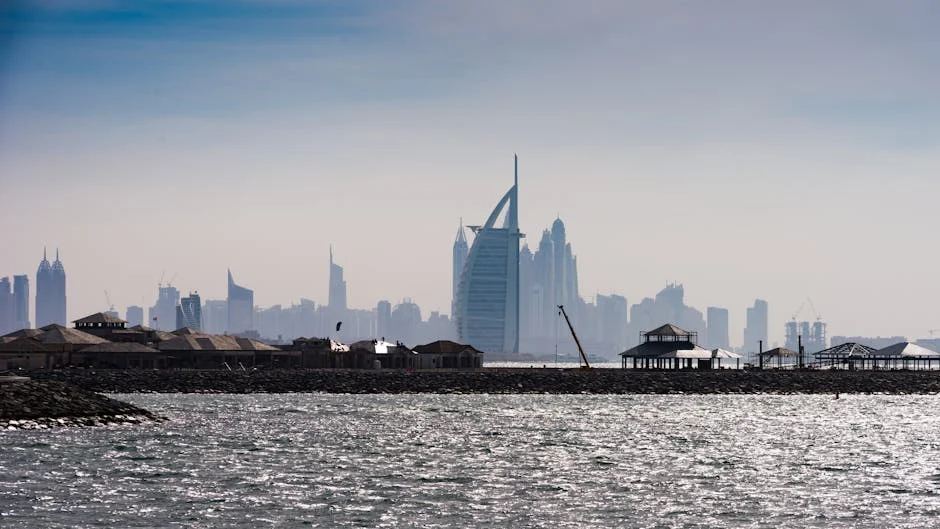
This surge in capital is not merely speculative; it represents a structural change in how South Africa finances its development. Historically, the nation has relied heavily on European and American lenders, often subject to fluctuating interest rates and political conditions. The entry of Middle Eastern capital introduces a new dynamic, characterized by long-term horizons and a focus on tangible asset creation. This diversification of funding sources reduces South Africa’s exposure to single-market shocks, a critical factor for maintaining economic stability.
Infrastructure and Energy Security
Energy remains the single largest drag on South Africa’s Gross Domestic Product, with the persistent crisis at Eskom, the state-owned power utility, forcing regular load-shedding schedules that disrupt industrial output. The new investment package prioritizes renewable energy projects, including solar and wind farms in the Northern Cape and Western Cape provinces. These projects are designed to feed directly into the national grid, thereby reducing the reliance on aging coal plants and alleviating the pressure on the power sector.
Transport and Logistics Modernization
Beyond energy, the agreement includes substantial funding for transport infrastructure, specifically targeting the Durban port and the Gautrain rail network expansion. Efficient logistics are vital for South Africa’s export-driven economy, where time is money for commodities like iron ore and citrus. By modernizing these corridors, the investment aims to lower the cost of doing business for local manufacturers, making them more competitive in global markets. This infrastructure upgrade is expected to create thousands of jobs in the construction and engineering sectors, providing a short-term boost to employment figures.
Implications for Local Businesses

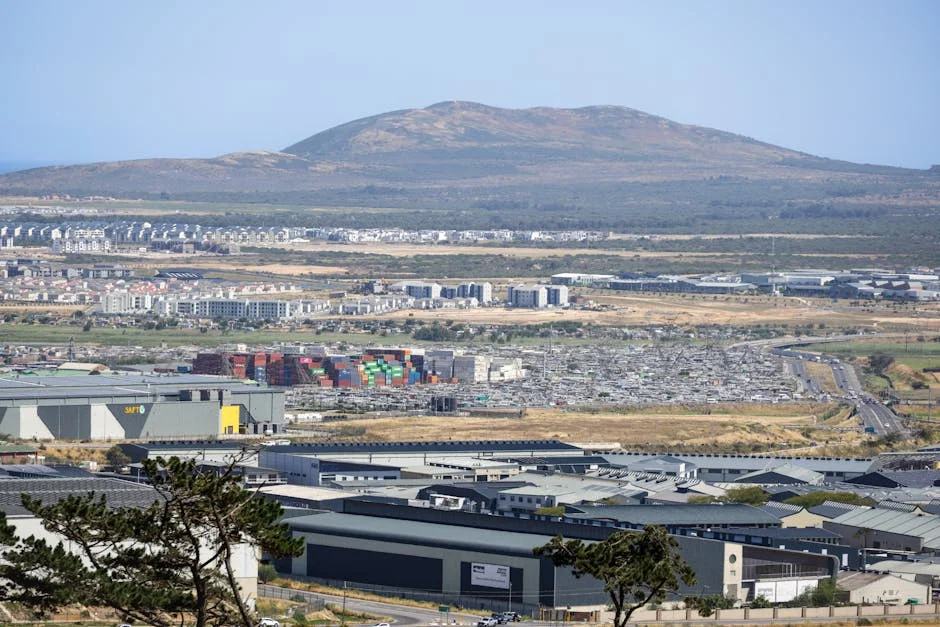
For small and medium-sized enterprises (SMEs) that form the backbone of the South African economy, the stability brought by improved infrastructure is a game-changer. Businesses in the manufacturing and retail sectors have long struggled with the unpredictability of power outages and high logistics costs. With a more reliable energy supply and efficient transport links, operational costs are set to decrease, allowing companies to reinvest savings into expansion and hiring. This environment fosters a more robust business climate, encouraging both domestic entrepreneurship and foreign entry.
The investment also opens up new supply chain opportunities for local firms. As Middle Eastern companies establish a stronger foothold in South Africa, they will likely source materials and services locally to leverage economies of scale. This creates a ripple effect, benefiting suppliers, contractors, and service providers across various sectors. The integration of South African businesses into broader regional value chains enhances their resilience and diversifies their customer base, reducing dependence on the volatile domestic consumer market.
Investor Perspectives and Risk Mitigation
International investors have long viewed South Africa as a high-reward but high-risk destination. Political uncertainty, bureaucratic hurdles, and social unrest have often overshadowed the country’s rich resource endowment and skilled workforce. However, the involvement of Middle Eastern sovereign wealth funds introduces a layer of political and financial stability. These funds are known for their patient capital approach, willing to weather short-term fluctuations in pursuit of long-term gains. This characteristic helps to smooth out market volatility and provides a buffer against sudden economic shocks.
The strategic alignment between South Africa and Middle Eastern economies also mitigates currency risk. As trade volumes increase, the natural hedging effect of diversified revenue streams helps stabilize the rand. Furthermore, the influx of foreign direct investment strengthens the country’s balance of payments, improving its creditworthiness in global bond markets. This improved financial health lowers borrowing costs for the government and corporations, creating a virtuous cycle of growth and stability.
Geopolitical Shifts and Regional Dynamics
This economic partnership reflects a broader geopolitical realignment in Africa, where nations are seeking to diversify their alliances beyond traditional Western powers. The Middle East, particularly the UAE and Saudi Arabia, has emerged as a key economic partner for African countries, leveraging their vast oil revenues and strategic vision. For South Africa, this relationship offers a counterbalance to European influence and provides access to new markets in the Gulf region. This diversification enhances South Africa’s diplomatic leverage and economic autonomy.
The implications extend beyond bilateral trade, influencing regional dynamics within the African Continental Free Trade Area (AfCFTA). By strengthening its economic foundation, South Africa can play a more pivotal role in integrating African markets and attracting further foreign investment. This regional leadership position enhances the continent’s collective bargaining power in global trade negotiations, potentially leading to more favorable terms for African exports. The synergy between Middle Eastern capital and African resources creates a powerful engine for continental growth.
Challenges and Implementation Hurdles
Despite the optimistic outlook, the successful implementation of this investment package faces several challenges. Bureaucratic red tape, land acquisition disputes, and labor relations can slow down project execution, potentially delaying the expected economic benefits. The South African government must streamline regulatory processes and ensure transparency in contract awards to maintain investor confidence. Any perception of corruption or inefficiency could undermine the trust built by the initial capital injection, leading to potential capital flight.
Additionally, the integration of Middle Eastern business practices with local labor markets requires careful management. Differences in work culture, expectations, and labor laws could lead to friction if not addressed proactively. Stakeholders must engage in continuous dialogue to align interests and ensure that the benefits of the investment are equitably distributed. This includes creating pathways for local skill development and ensuring that SMEs are not overshadowed by larger foreign entities. Addressing these challenges is crucial for sustaining long-term growth.
Future Outlook and Key Milestones
The next twelve months will be critical in determining the success of this economic partnership. Investors and policymakers will closely monitor the progress of key infrastructure projects, particularly the commissioning of new renewable energy plants and the expansion of port facilities. The release of quarterly economic data, including GDP growth rates and employment figures, will provide early indicators of the investment’s impact. Stakeholders should watch for announcements regarding specific project timelines and the allocation of funds to ensure transparency and accountability.
As the initial capital begins to flow, the focus will shift from announcement to execution. The South African government must demonstrate its ability to deliver on promises, maintaining a stable policy environment and efficient regulatory framework. The success of this initiative will serve as a model for other African nations seeking to attract foreign investment and revitalize their economies. The coming year will reveal whether this modern Marshall Plan can truly transform South Africa’s economic landscape, setting the stage for sustained growth and prosperity in the decade ahead.
See Also
- Pakistan Hacker Exposes 31 X Accounts to Spread AI Content on US-Iran Conflict: What It Means
- Siddaramaiah Unveils Karnataka Budget for Record 17th Time — What It Means for Bengaluru