Orlando Pirates have secured the Premier Soccer League title, sending shares of major sporting assets in Johannesburg and Pretoria into a bullish phase as investors react to the stability of the league. The victory cements the club’s status as a commercial powerhouse, driving immediate interest from advertising firms looking to anchor their campaigns in the final weeks of the fiscal year. Simultaneously, Enugu Rangers have claimed the top spot in the Nigerian Professional Football League, signaling a potential resurgence of investor confidence in West African sports franchises.
These dual championships represent more than just trophy cabinet expansions. They are economic indicators for the broader African sports market, which is currently navigating inflationary pressures and fluctuating currency values. For businesses operating in Johannesburg and Lagos, these titles offer a rare moment of brand certainty. The financial implications ripple through sponsorship deals, broadcast rights negotiations, and merchandise sales across both nations.
Commercial Impact of the Pirates Victory

The Orlando Pirates title win triggers an immediate valuation shift for the club’s primary stakeholders. The club’s brand equity, often measured by jersey sales and social media engagement, has surged ahead of its main rival, Kaizer Chiefs. This dominance allows the Pirates to command higher premium rates for kit sponsors and stadium naming rights. Investors who held off on capital injection during the mid-season slump are now seeing returns materialize in real-time revenue streams.
Sponsorship contracts in the South African sports sector are typically structured with performance-based clauses. A league title often activates bonus payments ranging from 10% to 15% of the base annual fee. This means that major corporate sponsors, including banks and telecommunications firms based in Sandton, are set to release additional liquidity into the club’s coffers. These funds are critical for covering player salaries and maintaining infrastructure at the Cape Town Stadium and the historic Bloemfontein venue.
The economic effect extends beyond the immediate balance sheet. A titled team attracts larger crowds, which boosts local hospitality revenue. Hotels, restaurants, and transport services in the city center benefit from the influx of fans traveling from the Western Cape and Gauteng. This localized economic boost is particularly valuable as South Africa seeks to stabilize its service sector amidst broader macroeconomic headwinds.
Nigerian Market Reaction to Rangers Success
Enugu Rangers’ victory in Nigeria carries significant weight for the West African sports economy. The Nigerian league has long been viewed as the continent’s most commercially viable market outside of South Africa, driven by a massive population and growing middle class. Rangers’ success validates the investment strategy of their owners and encourages other clubs to improve governance and financial transparency to attract foreign direct investment.
Investors in Lagos and Abuja are closely monitoring how Rangers will leverage this title to secure international broadcast deals. The Nigerian Professional Football League is increasingly competitive with the Egyptian and Moroccan leagues for European television audiences. A strong performance by a historic club like Rangers can lead to higher per-match fees, which directly impacts the league’s overall revenue share distribution.
The currency dynamics in Nigeria also play a crucial role in this economic analysis. With the Naira experiencing volatility, generating revenue in foreign currencies through broadcast rights and player exports is essential for clubs to hedge against inflation. Rangers’ title win enhances the marketability of their star players, potentially increasing transfer fees to Euro or Dollar equivalents, thereby strengthening the club’s financial resilience.
Regional Investment Trends
Capital flows into African sports are becoming more sophisticated. Investors are no longer looking solely at on-field performance but are also assessing digital engagement and fan retention metrics. Both the Pirates and Rangers have made strides in digital monetization, offering subscription-based content and direct-to-consumer merchandise. This shift reduces reliance on traditional sponsorship, which can be fickle during economic downturns.
The success of these two clubs highlights a broader trend where African sports franchises are becoming attractive assets for regional conglomerates. Companies in the mining, oil, and tech sectors are using sports branding to deepen consumer loyalty. This cross-industry integration creates a symbiotic relationship where the health of the sports club directly influences the market perception of its corporate partners.
Sponsorship and Brand Valuation Dynamics
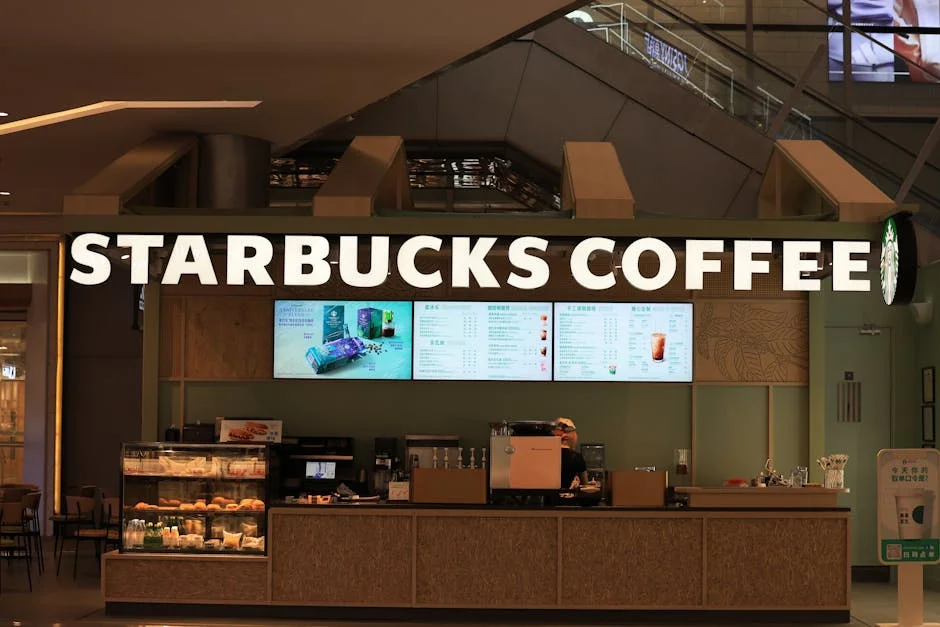

Brand valuation in African football is heavily tied to consistency. Orlando Pirates’ ability to win the title demonstrates operational stability, which is a key metric for risk-averse advertisers. In an era where consumer spending power is under pressure, brands want to associate themselves with winning entities to maintain top-of-mind awareness. The Pirates’ victory makes them a safer bet for long-term sponsorship deals compared to clubs with fluctuating performance records.
Enugu Rangers face a similar dynamic in Nigeria. The title win provides leverage in renegotiating contracts with local beverage companies and mobile network operators. These sectors are highly competitive in Nigeria, and sports sponsorship is a primary differentiator. The economic return on investment for these sponsors is measured through increased market share and brand recall, which are directly correlated with the club’s visibility during the title-winning season.
The financial health of these clubs also affects player wages. With increased revenue from sponsorships and broadcast rights, clubs can offer more competitive salaries, reducing the need to sell key players prematurely. This financial stability allows for better long-term planning and squad depth, which further enhances the commercial product offered to fans and investors.
Broadcast Rights and Media Revenue
Television and streaming rights are the lifeblood of modern football finance. The Orlando Pirates’ title run ensures high viewership numbers for the Premier Soccer League’s flagship broadcaster. High ratings translate into higher advertising rates for the broadcaster, creating a revenue multiplier effect. This is particularly important for South African media houses looking to offset the impact of digital disruption on traditional print and radio revenues.
In Nigeria, the broadcast landscape is evolving rapidly with the entry of global streaming platforms. Rangers’ success helps negotiate better terms for the league as a whole. If the title-winning team draws large audiences, broadcasters are willing to pay a premium to secure exclusive rights. This influx of media revenue can be reinvested into stadium upgrades and youth academies, creating a sustainable economic cycle.
The digital divide in Africa means that streaming data costs can be a barrier to entry for fans. However, successful clubs like the Pirates are partnering with telecom providers to offer data-free streaming options. This strategy expands the potential audience base, thereby increasing the value proposition for advertisers who want to reach the unbanked and underbanked populations in both South Africa and Nigeria.
Infrastructure and Local Economic Spillover
Stadiums are significant economic assets. The Cape Town Stadium, frequently used by the Pirates, generates millions in annual revenue from match days, concerts, and corporate events. A titled team ensures high occupancy rates, maximizing the return on investment for the local government and private operators. This infrastructure development also creates jobs in security, catering, and maintenance, contributing to local employment figures.
In Enugu, the Rangers International Stadium is undergoing renovations to meet international standards. The title win provides the financial justification for these capital expenditures. Improved infrastructure attracts more international friendlies and continental matches, bringing in foreign currency and boosting the local tourism sector. This is a strategic move to diversify the city’s economic base beyond traditional oil and gas revenues.
The construction and maintenance of these sporting venues also stimulate the local construction industry. Suppliers of materials, equipment, and labor benefit from the increased demand. This ripple effect supports small and medium-sized enterprises in the regions, contributing to broader economic development goals set by national governments.
Investor Confidence and Future Outlook
Investor sentiment towards African sports is shifting from speculative to strategic. The dual titles won by the Pirates and Rangers provide tangible proof that African clubs can compete financially and competitively on the continental stage. This confidence encourages venture capital firms and private equity groups to consider sports franchises as viable asset classes within their diversified portfolios.
The next phase of growth will depend on how effectively these clubs manage their finances. Revenue diversification, cost control, and strategic player recruitment are key areas of focus. Investors will be watching closely to see if the title wins translate into sustained financial health or if they are merely one-off successes. Transparency in financial reporting will be critical in maintaining this momentum.
Regulatory bodies in both South Africa and Nigeria are also playing a role in shaping the economic environment. Policies regarding foreign ownership, taxation, and league governance will influence the attractiveness of these markets to international investors. Stable and clear regulatory frameworks will further enhance the investment appeal of African football.
Market Risks and Economic Challenges
Despite the optimism, several economic risks remain. Inflation in South Africa continues to erode consumer purchasing power, which could impact ticket sales and merchandise revenue. Clubs must carefully manage their pricing strategies to ensure affordability without sacrificing revenue. The potential for economic slowdown in key sectors like mining and finance could also affect sponsorship budgets.
In Nigeria, currency fluctuation remains a major concern. If the Naira depreciates significantly, the value of local revenue streams could diminish in dollar terms. Clubs need to hedge their currency exposure by generating more revenue in foreign currencies through exports and international deals. Political stability and policy consistency are also vital for maintaining investor confidence in the long term.
Climate change and infrastructure deficits pose additional challenges. Power outages and transportation issues can affect match day experiences and fan engagement. Investing in renewable energy and improving local infrastructure are necessary steps to ensure the long-term economic viability of these sporting assets. Failure to address these risks could undermine the financial gains achieved through recent title wins.
Strategic Recommendations for Stakeholders
Clubs should focus on digital transformation to capture the growing online fan base. Investing in data analytics can help personalize fan experiences and optimize marketing spend. Partnerships with tech companies can drive innovation in ticketing, merchandising, and content delivery, creating new revenue streams that are less vulnerable to traditional economic cycles.
Investors should look beyond the immediate title win and assess the long-term strategic vision of the clubs. Governance structures, debt levels, and player contract durations are key indicators of financial health. Diversifying revenue sources through international tours, academy exports, and digital media can provide a buffer against local economic shocks.
Government and regulatory bodies should consider tax incentives for sports investments to attract more capital. Improving infrastructure and streamlining visa processes for international players and officials can enhance the competitiveness of African leagues. Collaboration between public and private sectors is essential to unlock the full economic potential of African football.
Readers and investors should monitor the upcoming announcement of the Premier Soccer League’s budget for the next fiscal year, which will reveal how the Pirates plan to reinvest their title earnings. Simultaneously, watch for the Nigerian Football Association’s decision on foreign investor visa quotas, as this will signal the openness of the West African market to new capital. These developments will provide clear indicators of the economic trajectory for African sports in the coming months.
See Also
- South Africa Faces Heavy Snow and Floods — Businesses Brace for Impact
- Central Johannesburg College Exposes Employee Data — What Happens Next?
What is the latest news about orlando pirates win title sponsors rush to capitalize on brand value?
Why does this matter for education?
What are the key facts about orlando pirates win title sponsors rush to capitalize on brand value?