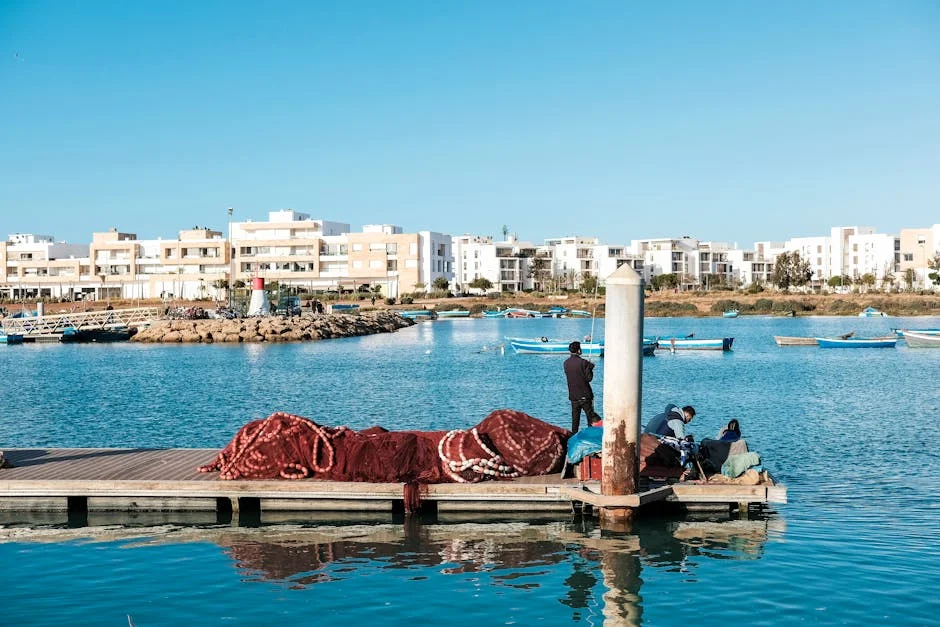
Authorities in Morocco have confirmed the recovery of a missing American soldier's body off the northern coast, a development that immediately shifts the diplomatic landscape between Rabat and Washington. This event occurs against a backdrop of growing strategic competition in North Africa, where economic ties are increasingly influenced by military presence and bilateral agreements. The recovery, announced on Saturday, brings closure to a search operation that involved significant naval resources and heightened political attention from both governments.
For investors and market observers in South Africa, the implications extend beyond the immediate humanitarian aspect. The relationship between Morocco and the United States serves as a critical barometer for stability in the Maghreb region, an area where South African businesses have significant export interests and investment portfolios. Any disruption in US-Morocco relations could ripple through regional supply chains, affecting everything from phosphate exports to automotive manufacturing, sectors where South African firms are deeply integrated.
Diplomatic Friction and Strategic Positioning
The recovery of the soldier, identified by Pentagon sources as part of a joint exercise, has not entirely smoothed over existing diplomatic wrinkles. Morocco has long sought a stronger security partnership with Washington, hoping to secure advanced fighter jets and greater recognition of its sovereignty over Western Sahara. The United States, while a key ally, often balances its support with cautious engagement to maintain good relations with other North African neighbors, particularly Algeria and Egypt.
This delicate balance is now under scrutiny. The incident has forced both foreign ministries to engage in urgent consultations. For the Moroccan government, the efficient handling of the recovery is a test of its administrative competence and military coordination. For the US, it is an opportunity to reaffirm its commitment to the region without appearing overly dominant. These diplomatic maneuvers are not merely symbolic; they directly influence the security guarantees that underpin foreign direct investment in Morocco.
Market analysts in Johannesburg are watching these developments closely. Political stability is a primary driver for foreign investment in emerging markets. If the incident leads to a cooling of relations, it could deter American capital from flowing into Moroccan infrastructure projects. This would have a secondary effect on South African companies that have partnered with US firms for joint ventures in the region, potentially delaying projects in renewable energy and logistics.
Economic Impacts on Regional Trade
Morocco is not just a geopolitical player; it is an economic hub for North Africa. The country’s port infrastructure, particularly in Tangier and Casablanca, handles a significant portion of trade flowing between Europe and Africa. South African exporters rely on these routes to move agricultural products, minerals, and manufactured goods to European markets. Any disruption in the political climate could lead to logistical bottlenecks or increased insurance premiums for shipping lanes.
The automotive industry is one of Morocco’s largest export sectors, with major plants owned by Renault and Volkswagen. These industries are highly sensitive to supply chain stability. The presence of US military personnel, though relatively small compared to the European contingent, adds a layer of security assurance for these multinational corporations. If the diplomatic fallout from the soldier’s recovery leads to a re-evaluation of US security commitments, it could introduce uncertainty that affects investor confidence in the broader North African market.
Supply Chain Vulnerabilities
South African businesses operating in Morocco face specific vulnerabilities. The reliance on imported components from Europe and the US means that any trade policy shifts in Washington could impact local production costs. Furthermore, the labor market in Morocco is competitive, and political instability can lead to strikes or labor unrest, which directly affects productivity. Investors need to monitor labor relations and political sentiment closely, as these factors can quickly translate into financial losses for multinational corporations.
The phosphate industry, another cornerstone of the Moroccan economy, is also at stake. Morocco holds the world’s largest reserves of phosphate, a critical input for global agriculture. The OCP Group, the state-owned phosphate giant, has been expanding its processing capacity. US demand for Moroccan phosphate is significant, and any trade tensions could affect pricing and export volumes. This, in turn, influences global fertilizer prices, which impacts agricultural exporters in South Africa, particularly in the Western Cape and KwaZulu-Natal provinces.
Investment Perspective for South African Firms


For South African investors, the situation in Morocco offers both risks and opportunities. The recovery of the soldier is a specific event, but it highlights the broader complexity of operating in North Africa. Businesses must adopt a more nuanced risk management strategy that accounts for diplomatic fluctuations. This includes diversifying supply chains, securing political risk insurance, and maintaining close ties with local partners who can navigate the bureaucratic landscape.
The financial sector in Johannesburg has begun to price in these geopolitical risks. Currency fluctuations in the Moroccan Dirham and the US Dollar are closely monitored by treasury departments of major South African corporations. A stronger US Dollar, often driven by geopolitical tensions, can affect the cost of servicing debt for Moroccan-based subsidiaries. This financial dynamic requires careful hedging strategies to protect profit margins.
Moreover, the incident underscores the importance of corporate social responsibility and local engagement. Companies that are seen as integrated into the local community, contributing to job creation and infrastructure development, are better insulated from political shocks. South African firms with a strong track record in Morocco, such as those in the mining and telecommunications sectors, are likely to fare better in the short term than newer entrants who have yet to establish deep local roots.
Regional Stability and Security Dynamics
The security situation in North Africa is multifaceted, involving not just bilateral relations but also regional dynamics. Algeria, Morocco’s neighbor and sometimes rival, watches US-Morocco relations with keen interest. A strengthening of the US-Morocco alliance could lead to a counter-move by Algeria, potentially increasing its reliance on Russian or Chinese military hardware. This shift in alliances could alter the balance of power in the Maghreb, creating new opportunities and threats for regional trade.
For South Africa, which has historical and cultural ties to the Maghreb, these shifts have long-term implications. The African Continental Free Trade Area (AfCFTA) aims to create a single market for goods and services across the continent. Political instability in North Africa could slow down the integration process, affecting the benefits that South African businesses hope to derive from the agreement. Ensuring stability in Morocco is therefore not just a bilateral concern but a continental one.
Security firms and logistics companies in South Africa are already adjusting their risk assessments. The cost of securing assets in North Africa may rise if political tensions escalate. This increase in operational costs will be passed on to consumers, potentially affecting the price competitiveness of South African exports. Investors need to factor in these potential cost increases when evaluating the attractiveness of North African markets.
Market Reactions and Financial Indicators
Financial markets are sensitive to geopolitical news, and the recovery of the US soldier has triggered subtle shifts in regional equities. The Casablanca Stock Exchange has seen minor volatility, reflecting investor uncertainty. South African investors holding positions in Moroccan-listed companies are monitoring these movements closely. The Rand has also shown slight sensitivity to news from North Africa, reflecting the interconnectedness of African currencies.
Bond yields in Morocco have remained relatively stable, suggesting that credit rating agencies do not yet view the incident as a major credit risk. However, this could change if the diplomatic friction persists and leads to economic sanctions or trade barriers. Investors should watch for any announcements from the International Monetary Fund or the World Bank regarding Morocco’s economic outlook, as these institutions play a key role in stabilizing emerging markets.
The tourism sector, a vital source of foreign exchange for Morocco, could also be affected. Political instability often deters tourists, leading to a decline in hotel occupancy and retail sales. South African travel companies that operate packages to North Africa may see a dip in bookings, impacting their revenue streams. This sector is highly sensitive to perception, and the media coverage of the soldier’s recovery will play a crucial role in shaping tourist sentiment.
Future Outlook and Key Watchpoints
As the diplomatic dust settles, the focus will shift to the long-term implications of the incident. Both governments will likely seek to normalize relations quickly to minimize economic disruption. However, the underlying strategic competition will remain, requiring continuous monitoring by businesses and investors. South African firms should prepare for a period of heightened diplomatic activity, with potential changes in trade agreements and security partnerships.
Investors should keep a close eye on the upcoming joint statements from the US State Department and the Moroccan Ministry of Foreign Affairs. These documents will provide insights into the future direction of the bilateral relationship. Additionally, monitoring the movements of US military assets in the region will offer clues about the depth of the security commitment. Any significant changes in troop levels or equipment deployments could signal a shift in strategic priorities.
The next few weeks are critical. Markets will react to the official narratives presented by both governments and the subsequent policy adjustments. South African businesses must remain agile, ready to adapt to new realities in the North African market. The recovery of the soldier is a single event, but it serves as a reminder of the complex interplay between diplomacy, security, and economics in the region. Vigilance and strategic planning will be essential for navigating the evolving landscape.
Bond yields in Morocco have remained relatively stable, suggesting that credit rating agencies do not yet view the incident as a major credit risk. Investors should watch for any announcements from the International Monetary Fund or the World Bank regarding Morocco’s economic outlook, as these institutions play a key role in stabilizing emerging markets.