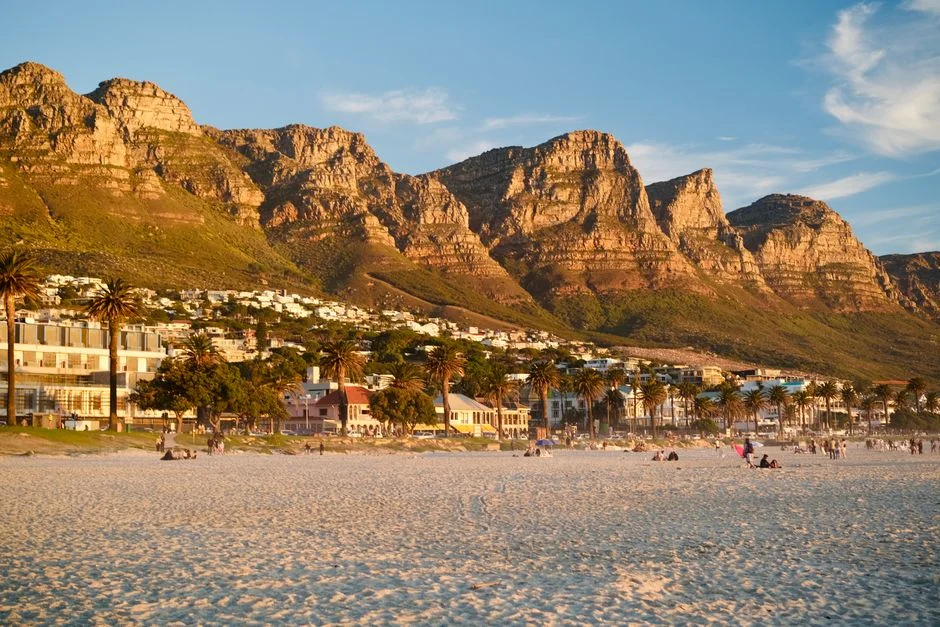
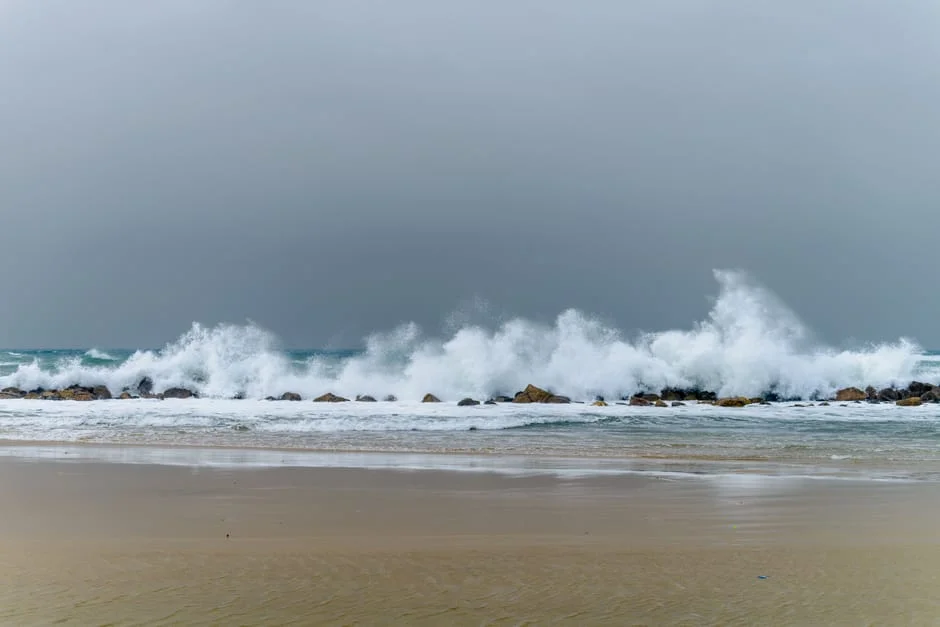
Severe storms have battered the Western Cape, causing immediate disruptions to retail logistics and consumer spending patterns. A dramatic incident involving a Sixty60 driver being blown off his motorbike in Cape Town highlights the physical intensity of the weather front. This event is not merely a local curiosity but a tangible indicator of the volatility facing South Africa’s largest retail group, Checkers. Markets are now assessing how these climatic shocks translate into supply chain friction and bottom-line pressure for investors.
Physical Disruption to Last-Mile Logistics
The image of a Sixty60 driver struggling against gale-force winds serves as a microcosm for the broader challenges facing retail logistics. The Sixty60 service relies on rapid, last-mile delivery, often using motorbikes to navigate congested urban streets in Cape Town. When wind speeds exceed 60 km/h, these lightweight vehicles become precarious, leading to delayed deliveries and potential inventory damage. For a service that promises speed, such delays erode consumer confidence and increase operational costs.
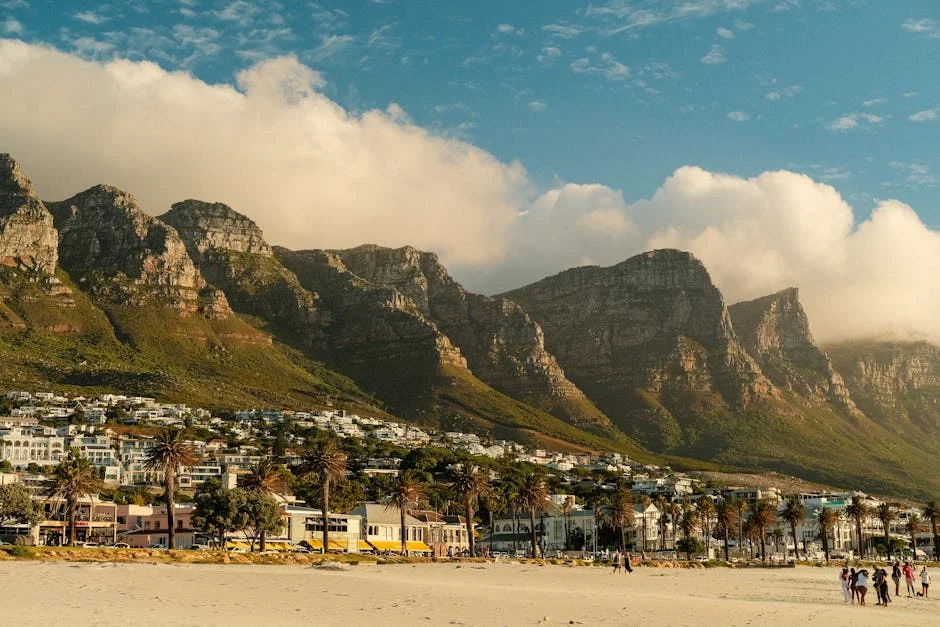
Logistics managers at Checkers must now recalibrate delivery routes and perhaps shift from two-wheeled transport to four-wheeled vehicles in high-wind zones. This shift is not cost-neutral. Motorbikes are fuel-efficient and agile, but vans consume more petrol and require more parking space. The immediate financial impact is an increase in variable costs per delivery. Over time, if storms become more frequent due to climate change, these one-off expenses could harden into structural overheads for the retail giant.
Investors should watch for quarterly reports detailing the 'cost of goods sold' and 'distribution expenses.' A spike in these metrics, correlated with severe weather events, would signal that climate risk is moving from a balance sheet footnote to a primary driver of operational efficiency. The resilience of the last-mile model is being tested in real-time on the streets of Cape Town.
Retail Sales Volatility and Consumer Behavior
Storms do not just affect how goods move; they affect what consumers buy. In the Western Cape, severe weather typically triggers a shift in retail demand. Consumers stock up on essentials like bread, milk, and frozen foods, while discretionary spending on fresh produce and beverages may dip. This shift creates inventory mismatches for retailers who rely on predictive algorithms to stock shelves.
Checkers, as a dominant player in the South African retail sector, has sophisticated data analytics to predict these shifts. However, extreme weather events can outpace historical data models. If the storms persist, Checkers may face excess inventory of perishable goods that consumers defer buying. This leads to markdowns and reduced profit margins. Conversely, the surge in demand for non-perishables can boost top-line revenue, albeit with thinner margins due to price sensitivity.
The broader economic implication is a potential dip in retail sales growth for the Western Cape region. If the storms coincide with key shopping periods, such as the post-Christmas sales or the start of the fiscal year, the impact on annual revenue could be measurable. Analysts tracking Checkers developments explained will look for regional sales data to see if the Western Cape underperforms the national average in the coming quarters.
Impact on Local Suppliers and Farmers
The ripple effects of the storms extend beyond Checkers’ own warehouses to its network of local suppliers. The Western Cape is a hub for agricultural production, particularly for citrus, wine, and table grapes. Severe weather can damage crops, delay harvests, and disrupt the cold chain. For Checkers, which prides itself on sourcing local produce, this means potential shortages and price increases for key items.
Farmers in the region are already facing economic pressure from rising input costs and labor disputes. Adding climate volatility to the mix exacerbates their financial vulnerability. If suppliers raise prices to cover their losses, Checkers must decide whether to absorb the cost to maintain market share or pass it on to consumers. Both choices carry risks. Absorbing the cost squeezes margins, while passing it on risks alienating price-sensitive shoppers in a competitive market.
This dynamic highlights the interconnectedness of the South African retail and agricultural sectors. Investors in Checkers are not just betting on a retailer; they are indirectly betting on the stability of the Western Cape’s agricultural output. Any disruption in this supply chain has direct consequences for the retail giant’s financial health.
Investor Sentiment and Market Reaction


The stock market reacts swiftly to tangible risks, and weather-related disruptions are no exception. While a single storm may not cause a dramatic swing in Checkers’ share price, the accumulation of such events can influence long-term investor sentiment. Institutional investors are increasingly integrating Environmental, Social, and Governance (ESG) factors into their valuation models. Climate risk is a key component of the 'E' in ESG.
If Checkers is perceived as well-prepared for climate volatility, its stock may demonstrate resilience compared to peers. This preparation includes diversified supply chains, robust insurance coverage, and flexible logistics models. Conversely, if the company appears reactive rather than proactive, investors may demand a higher risk premium, leading to a lower price-to-earnings ratio. The market is pricing in the uncertainty.
Traders should monitor the share price of Checkers’ parent company, Massmart, and its listed subsidiary, Checkers Sixty60 Holdings. Any announcement of strategic shifts in logistics or supplier contracts following the storms could trigger trading volume spikes. The market is looking for signals that the company is adapting its business model to a more volatile climate reality. This is not just about weather; it is about corporate agility.
Broader Economic Implications for South Africa
The storms in the Western Cape offer a case study for the broader South African economy. As one of the country’s most economically dynamic regions, the Western Cape’s retail performance is a bellwether for national trends. Disruptions here can signal potential bottlenecks in national supply chains, especially if the storms affect key transport corridors like the N1 and N2 highways.
For the national economy, retail spending is a significant driver of GDP growth. If consumer confidence wanes due to weather-related inconveniences and price hikes, overall retail sales could soften. This has downstream effects on employment in the retail and logistics sectors. Drivers, warehouse staff, and store attendants are some of the most visible beneficiaries of retail growth. Any contraction in this sector can have immediate social and economic consequences.
Policy makers in Pretoria are also watching these developments. The resilience of the retail sector is crucial for economic stability. If storms become more frequent, the government may need to consider incentives for infrastructure upgrades or insurance subsidies for small businesses. The Storms impact on South Africa is not just a local weather event but a national economic stress test.
Strategic Responses and Future Outlook
Checkers is likely to respond to these challenges with a mix of short-term tactical adjustments and long-term strategic investments. In the short term, the company may increase inventory buffers for essential goods and adjust delivery windows to account for weather delays. These measures help maintain customer satisfaction but come at a cost. In the long term, the company may invest in more resilient infrastructure, such as weather-proofed distribution centers and a more diverse fleet of delivery vehicles.
The integration of technology will also play a crucial role. Advanced weather forecasting tools can help Checkers predict disruptions and adjust logistics plans in real-time. Machine learning algorithms can analyze consumer buying patterns during different weather conditions to optimize stock levels. These technological investments are becoming essential for maintaining competitive advantage in a volatile market.
Investors and business leaders should view the Western Cape storms as a reminder of the growing importance of climate resilience in business strategy. Companies that proactively manage these risks are likely to outperform their peers in the long run. The ability to adapt to changing environmental conditions is no longer a niche concern but a core component of financial health.
Look for Checkers’ next quarterly earnings report, where management will likely address the impact of recent weather events on operational costs and sales. Watch for any announcements regarding new logistics partnerships or technology investments aimed at enhancing supply chain resilience. These developments will provide clear signals on how the company is positioning itself for a more volatile future.
See Also
- Manager Sphethu Pupuma Demands Milford FC Seize Promotion Opportunity Against Magesi
- Eastern Cape Weather Triggers Supply Chain Shockwaves
As one of the country’s most economically dynamic regions, the Western Cape’s retail performance is a bellwether for national trends. Disruptions here can signal potential bottlenecks in national supply chains, especially if the storms affect key transport corridors like the N1 and N2 highways.