Township and rural tourism in South Africa is no longer a niche market but a powerful economic engine driving growth beyond traditional hubs. This shift is reshaping investment landscapes as businesses in areas like Soweto and the Eastern Cape capitalize on authentic cultural experiences. The sector is generating tangible revenue streams that are revitalizing local economies and attracting new investor interest.
Redefining the South African Travel Market
The traditional model of South African tourism relied heavily on safari lodges in Kruger National Park and coastal resorts in the Western Cape. This model often left vast portions of the population and their local economies on the periphery of the visitor experience. However, a structural change is underway, with travelers increasingly seeking immersive, culturally rich experiences in townships and rural villages.
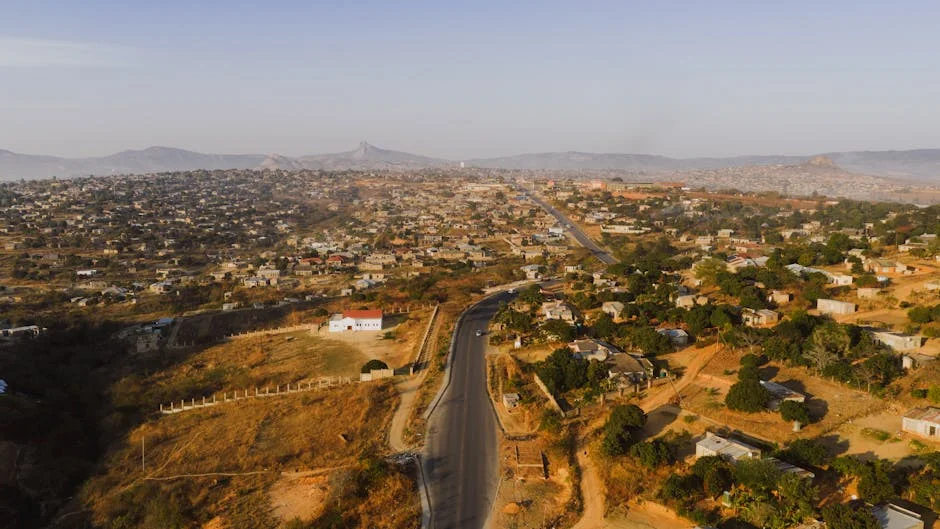
Investors are taking notice of this demographic shift. Capital is flowing into small and medium-sized enterprises (SMEs) that offer guided tours, boutique accommodations, and culinary experiences in these communities. This decentralization of tourism revenue helps to distribute wealth more evenly across the country. It also reduces the economic vulnerability of regions that were previously dependent on single industries like mining or agriculture.
The market potential is substantial. According to recent data from Stats SA, the tourism sector contributes approximately 7.5% to the national GDP. As township tourism grows, it is expected to capture a larger share of this value. This trend is not just about cultural appreciation; it is a strategic economic diversification for the South African economy.
Local Leaders Driving Economic Change
Key figures in this movement are local entrepreneurs who have leveraged their cultural heritage to create viable business models. Obed Sikhosana, a prominent figure in the rural tourism sector, exemplifies this new wave of leadership. His work highlights how community-led initiatives can attract external investment while retaining local ownership.
These leaders are not merely guiding tours; they are building brands that appeal to both domestic and international markets. By professionalizing the service delivery in townships, they have made these areas more attractive to high-net-worth travelers. This professionalization includes better infrastructure, reliable transport, and curated experiences that go beyond the surface-level view of township life.
The impact of leaders like Obed Sikhosana is evident in the increased footfall in areas such as the Eastern Cape. Visitors are drawn to the authenticity and the opportunity to engage directly with local communities. This direct engagement creates a multiplier effect, where money spent by tourists circulates through local shops, restaurants, and artisans.
Community-Led Investment Models
A critical component of this success is the adoption of community-led investment models. Unlike traditional tourism projects that often benefit external hotel chains, these initiatives prioritize local stakeholders. This approach ensures that a significant portion of the revenue remains within the community, funding schools, healthcare, and infrastructure projects.
Investors are increasingly favoring these models due to their social impact and financial resilience. Communities that have a stake in the tourism business are more likely to maintain quality standards and provide exceptional service. This creates a sustainable cycle of growth that benefits both the locals and the investors.
The success of these models is attracting attention from venture capitalists and impact investors. They see township tourism as a high-growth sector with the potential for significant returns. This influx of capital is helping to scale these businesses, allowing them to reach a broader audience and improve their offerings.
Market Dynamics and Consumer Behavior


Consumer preferences are shifting towards experiential travel, where the journey is as important as the destination. Travelers are willing to pay a premium for authentic interactions and unique stories. This trend is particularly strong among younger demographics, such as Millennials and Gen Z, who value sustainability and cultural immersion.
South African townships offer a rich tapestry of culture, history, and vibrancy that appeals to these preferences. From the jazz clubs of Johannesburg to the craft markets of the KwaZulu-Natal Midlands, there is a diverse range of experiences available. This diversity allows for the creation of specialized tourism products that cater to specific interests.
The market is also responding to the need for economic resilience. In an era of global uncertainty, local tourism provides a buffer against external shocks. Domestic travelers are increasingly choosing to explore their own country, reducing the reliance on international arrivals. This domestic demand provides a stable revenue base for township tourism businesses.
Investment Opportunities in Rural Areas
Rural tourism is emerging as a lucrative investment opportunity for those looking to diversify their portfolios. The cost of entry in rural areas is often lower than in established urban centers, allowing for higher potential returns. Investors can participate in various segments, including accommodation, food and beverage, and activity providers.
Government incentives also play a role in attracting investment. Policies aimed at developing rural infrastructure and supporting SMEs create a favorable environment for growth. These incentives reduce the initial capital outlay and mitigate some of the risks associated with rural development.
However, investors must also consider the challenges. Infrastructure deficits, such as reliable electricity and water supply, can impact the quality of the visitor experience. Addressing these challenges requires strategic planning and collaboration between the public and private sectors. Successful investments are those that integrate these considerations into their business models.
Infrastructure as a Key Enabler
Infrastructure development is a critical enabler of rural tourism growth. Improvements in roads, internet connectivity, and public transport make these areas more accessible to visitors. These improvements not only benefit the tourism sector but also enhance the quality of life for local residents.
Public-private partnerships are increasingly being used to fund infrastructure projects. These partnerships leverage the strengths of both sectors, ensuring efficient delivery and sustainable maintenance. For example, a hotel chain might partner with a local municipality to upgrade roads leading to a new resort.
The focus on infrastructure is also attracting foreign direct investment. International companies see the potential for growth in the South African rural market and are willing to invest in the necessary foundations. This investment helps to bridge the gap between rural and urban areas, promoting more balanced regional development.
Business Implications for Local Enterprises
For local businesses, the rise of township tourism presents both opportunities and challenges. The opportunity lies in the ability to tap into a growing market with relatively low competition. However, businesses must also adapt to meet the expectations of a more discerning customer base.
This adaptation involves improving service quality, enhancing marketing strategies, and investing in staff training. Businesses that fail to evolve risk losing market share to more agile competitors. Those that succeed can build strong brands and achieve sustainable growth.
Collaboration is also key. Local businesses are forming networks to create comprehensive tourism packages. By working together, they can offer a seamless experience for visitors, from arrival to departure. This collaborative approach enhances the overall value proposition and strengthens the competitiveness of the destination.
Economic Multiplier Effects
The economic impact of township tourism extends far beyond the immediate revenue generated by hotels and tour operators. The multiplier effect ensures that money spent by tourists circulates through the local economy, benefiting a wide range of sectors. This includes agriculture, manufacturing, and services.
For instance, a tourist buying a locally made craft supports the artisan, who in turn buys raw materials from local suppliers. This chain of transactions creates jobs and stimulates economic activity. The cumulative effect can be significant, especially in areas with high unemployment rates.
Data from the South African Reserve Bank indicates that tourism has one of the highest employment multipliers among major sectors. This means that for every job created in tourism, several additional jobs are created in supporting industries. This employment generation is crucial for reducing poverty and inequality in rural areas.
Future Outlook and Strategic Priorities
Looking ahead, the growth of township and rural tourism in South Africa is poised to accelerate. Key factors driving this growth include improved infrastructure, increased digital marketing, and a growing awareness of the sector's economic potential. Investors and policymakers are aligning their strategies to capitalize on these trends.
However, sustaining this growth will require continued investment in human capital. Training programs for local guides, hospitality staff, and entrepreneurs are essential to maintain high service standards. These programs should be tailored to the specific needs of the local context and the expectations of modern travelers.
Stakeholders must also focus on sustainability. Over-tourism and environmental degradation can undermine the very attractions that draw visitors. Implementing sustainable practices, such as waste management and energy efficiency, is crucial for the long-term viability of the sector. This will ensure that township tourism remains a robust contributor to the South African economy for years to come.
Investors should monitor upcoming policy announcements from the Department of Tourism, particularly regarding visa regulations and infrastructure funding. The release of the annual Tourism Economic Impact Report will also provide critical data on sector performance and growth trajectories. Keeping an eye on these developments will be essential for making informed investment decisions in this dynamic market.
See Also
- FRC Warns Nigeria's Actuaries Shortage Threatens $12bn Insurance Market
- Nairobi Climate Forum Warns of Below-Normal Rainfall Threatening East Africa's Economy