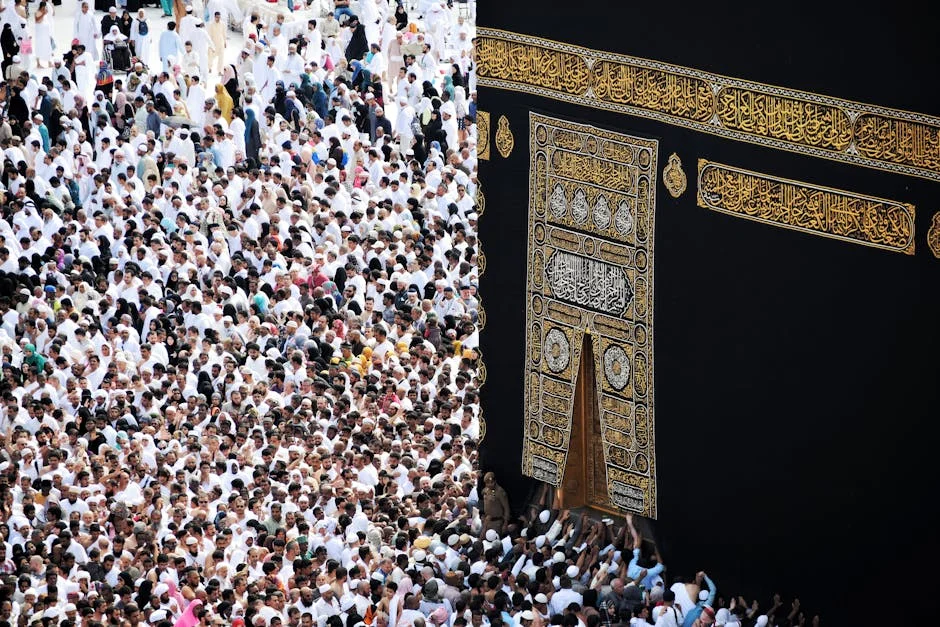
As the final hours of the Hajj pilgrimage drew to a close on Friday, thousands of Muslim faithful left Mecca, marking the end of this year's religious observance. This event not only holds spiritual significance but also presents pivotal economic ramifications, particularly across Africa. Many pilgrims have traversed vast distances, contributing to the local economy in Saudi Arabia, which relies heavily on millions of visitors each year.
Impact on Local Economies
In 2023, Saudi Arabia welcomed an estimated 2 million pilgrims for the Hajj, with approximately 600,000 pilgrims travelling from African nations. The influx during this period boosts local revenues, with spending on accommodation, food, and transportation significantly increasing. The Saudi Ministry of Hajj and Umrah indicated that spending during this year's pilgrimage reached a staggering $10 billion, showcasing the economic benefits of the event.
As pilgrims return home, many will carry with them souvenirs, gifts, and financial contributions to their families, providing an economic boost back in their home countries. Businesses in sectors like retail, transportation, and hospitality in African nations stand to benefit as a result.
Market Reactions in Africa
The aftermath of the Hajj often sees increased consumer spending in various African markets. For instance, South African businesses are poised to see a rise in demand for Islamic products and services, such as halal foods and travel packages for future pilgrimages. This uptick could lead to a more vibrant market, improving prospects for numerous local enterprises.
Companies involved in logistics and travel are particularly well-positioned to capitalise on the heightened interest in pilgrimage-related services. This trend could stimulate growth for travel agencies and airlines catering to the needs of both returning pilgrims and those planning for the next Hajj.
Investment Opportunities Arising

With the conclusion of Hajj, businesses will also turn their focus to the next major religious observances. Investors are watching closely how the economic patterns shift post-Hajj, particularly in sectors like tourism and consumer goods. For example, companies like Travelstart South Africa are already strategising to attract customers looking to book trips for the upcoming Umrah season.
Investment analysts suggest that businesses should prepare for a potential surge in demand for Islamic finance products, which often sees increased interest following religious events. This could lead to innovative financial offerings responding to the needs of the community.
The Future of Pilgrimage and Economy
Looking ahead, the potential for economic growth tied to future pilgrimages remains strong. As domestic and international travel continues to recover post-pandemic, the volume of those wishing to undertake religious pilgrimages is expected to rise. The Saudi government has already committed to enhancing pilgrimage infrastructure, ensuring that more people can participate in these sacred journeys.
Moreover, the ripple effect from the Hajj enhances trade relations between Saudi Arabia and African nations. It creates a pathway for diversified economic partnerships, driving investment in various sectors, including hospitality, retail, and logistics.
What Businesses Should Watch Next
As businesses assess the long-term effects of this year's Hajj pilgrimage, particular attention should be paid to upcoming Islamic holidays and subsequent pilgrimages. The Eid al-Adha holiday, which follows Hajj, has historically led to increased consumer spending in many African countries. Retailers and service providers can prepare by adjusting inventories to cater to the anticipated rise in demand.
Investors and businesses that align their strategies with these cyclical patterns are likely to see positive outcomes. With the next Hajj scheduled for June 2024, early strategic planning may well set the stage for sustained economic benefits for those who act now.
See Also
- South Africa's Higher Education Sector Slams Budget Cuts — Here's What It Means for Skills
- African Leaders Slam US Health Funding Deals: What It Means for Development Goals
For example, companies like Travelstart South Africa are already strategising to attract customers looking to book trips for the upcoming Umrah season.Investment analysts suggest that businesses should prepare for a potential surge in demand for Islamic finance products, which often sees increased interest following religious events. Investors are watching closely how the economic patterns shift post-Hajj, particularly in sectors like tourism and consumer goods.