Dangote Cement Plc has reported a 71.6% surge in exports, driven by a total production capacity that now stands at 55 million tonnes annually. This growth signals a robust recovery in Nigeria’s industrial output and suggests that the country’s largest cement manufacturer is successfully leveraging its scale to dominate regional markets. The data, highlighted in recent reports by Vanguard News, points to a shifting dynamic in West African trade where Nigerian manufactured goods are regaining competitive edge over imports.
Nigeria’s Industrial Output Accelerates
The 71.6% increase in exports is not merely a statistic for the balance of sheets; it represents tangible economic activity. Dangote Cement, headquartered in Lagos, has managed to stabilize production despite the broader macroeconomic headwinds that have plagued the Nigerian economy. This resilience is critical for investors watching the continent’s largest economy. When a single company can drive such volume, it indicates that supply chains are functioning and that domestic demand, coupled with regional appetite, is strong enough to absorb the output.
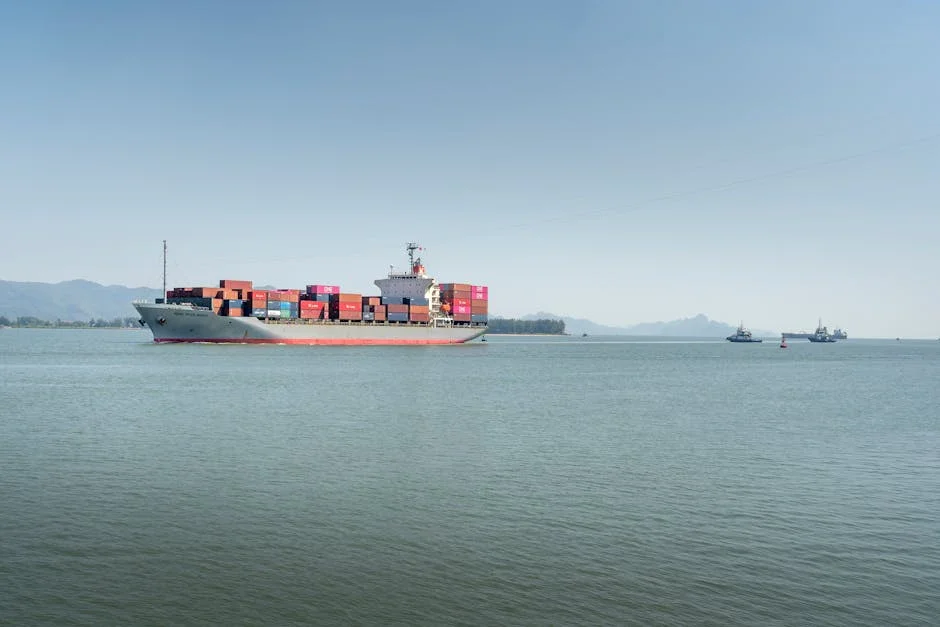
The Nigerian economy has been navigating a complex landscape of currency fluctuations and inflationary pressures. In this context, the ability to export goods at scale provides a vital influx of foreign exchange. For the Central Bank of Nigeria, every shipment of cement leaving the port of Onne or Apapa contributes to the stabilization of the Naira. This export growth is a counter-narrative to the import-heavy structure that has historically drained foreign reserves.
Market Dynamics and Regional Competition
The expansion of Dangote’s reach has direct implications for competitors across the Sahel and West Africa. Countries like Ghana, Benin, and Cameroon have long relied on a mix of local production and imports from Europe and Asia. With Dangote hitting 55 million tonnes per annum (MTA), the company is effectively creating a price ceiling that forces regional rivals to optimize their own operations. This competitive pressure is healthy for the market, forcing efficiency and innovation across the board.
Investors in the Johannesburg Stock Exchange (JSE) and the Lagos Stock Exchange (LSE) should take note of this trend. The cement sector is often seen as a proxy for construction activity, which in turn reflects broader economic confidence. If Dangote can sustain this export growth, it suggests that infrastructure projects in neighboring countries are not just starting but are accelerating. This has downstream effects on steel, glass, and logistics sectors in these markets.
Impact on South African Businesses
For South African investors and businesses, the dynamics in Nigeria offer both opportunities and cautionary tales. The Nigerian market is one of the most lucrative yet volatile destinations for South African goods and services. Understanding how a dominant player like Dangote navigates this environment provides valuable insights for SA companies looking to expand or consolidate their presence. The success of Dangote’s export strategy highlights the importance of localizing production to mitigate currency risks.
South African firms operating in Nigeria, particularly in the construction and real estate sectors, benefit from the availability of affordable cement. Lower input costs can improve profit margins for developers in Lagos and Abuja. Conversely, South African exporters of finished building materials may face stiffer competition from locally produced Nigerian cement. This shift necessitates a strategic review of market positioning for SA businesses.
Investor Perspective and Valuation Metrics


From an investment standpoint, the 71.6% export growth validates the thesis of scale in the African market. Dangote Cement’s ability to produce at 55 MTA allows for economies of scale that smaller competitors struggle to match. This translates to better cash flows and potentially higher dividend yields for shareholders. For institutional investors in Johannesburg, monitoring Dangote’s performance is essential for understanding the health of the broader West African equity market.
The valuation of Dangote Cement has historically been influenced by the volatility of the Naira. However, with a growing export mix, the company is effectively hedging against domestic currency depreciation. A higher proportion of export revenue means more dollars coming in, which can stabilize the earnings per share (EPS) even if the Naira weakens. This dynamic is crucial for long-term investors who are wary of currency risk in emerging markets.
Analysts should also look at the debt-to-equity ratio of the company. With increased cash flow from exports, Dangote has the capacity to pay down debt or reinvest in capacity expansion. This financial flexibility is a key differentiator in a capital-intensive industry. Investors in South Africa should compare these metrics with local cement producers to gauge relative performance and potential arbitrage opportunities.
Logistics and Infrastructure Challenges
Despite the impressive numbers, the logistics of moving 55 million tonnes of cement annually remain a formidable challenge. The Nigerian infrastructure, including roads, railways, and ports, has seen improvements but still lags behind global standards. Any bottleneck in the supply chain can quickly erode the profit margins gained from scale. The efficiency of the Apapa and Onne ports is therefore a critical variable in sustaining this export growth.
The government’s investment in infrastructure, particularly the Lagos-Calabar Coastal Highway and the revitalization of the rail network, will play a decisive role. If these projects are completed on time, they will reduce the cost of moving goods from the factories in Lekki and Ibata to the ports. This reduction in logistics costs will make Nigerian cement even more competitive in the regional market. Conversely, delays could lead to increased lead times and higher prices for end consumers.
Macroeconomic Implications for Nigeria
The success of Dangote Cement has broader macroeconomic implications for Nigeria. It demonstrates the potential of the manufacturing sector to drive growth and create jobs. As the company expands, it pulls in suppliers, logistics providers, and service firms, creating a multiplier effect in the economy. This job creation is vital for a country with a large and youthful population entering the workforce annually.
Furthermore, the export growth contributes to the non-oil sector of the Nigerian economy. For decades, Nigeria has been overly reliant on crude oil exports, which are subject to global price swings. A strong manufacturing export base, led by cement, helps to diversify the revenue streams of the country. This diversification is essential for long-term economic stability and reduces the vulnerability of the Nigerian economy to external shocks.
The Central Bank of Nigeria will likely monitor these trends closely when formulating monetary policy. If the manufacturing sector continues to grow, it may allow for a more gradual tightening of monetary policy, giving businesses more breathing room. This is a positive signal for the broader investment climate in Nigeria.
Future Outlook and Key Indicators
Looking ahead, the sustainability of this 71.6% export growth will depend on several factors. Investors should watch for any changes in the Nigerian tariff structure, which could affect the competitiveness of local cement against imports. Additionally, the stability of the Naira will continue to be a key driver of investor sentiment. Any significant devaluation could increase the cost of raw materials, such as clinker, which are often imported.
The upcoming quarterly reports from Dangote Cement will provide more granular data on pricing power and volume trends. Investors should pay close attention to the gross margin per tonne, which will indicate whether the company is passing on costs to consumers or absorbing them to maintain market share. This metric will be a leading indicator of the health of the West African cement market.
South African investors and businesses should continue to monitor the Nigerian market for signs of consolidation. As the market matures, we may see more mergers and acquisitions, creating larger regional players. This trend could present acquisition targets for South African conglomerates looking to expand their footprint in West Africa. The next six months will be critical in determining whether the current growth trajectory is sustainable or if it is a short-term anomaly.
Future Outlook and Key Indicators Looking ahead, the sustainability of this 71.6% export growth will depend on several factors. Any significant devaluation could increase the cost of raw materials, such as clinker, which are often imported.