The African Union (AU) unveiled a new Humanitarian Coordination Platform on Wednesday, aimed at enhancing the continent's response to escalating humanitarian crises. This initiative, announced during the AU summit in Addis Ababa, Ethiopia, seeks to improve collaboration among member states and humanitarian organisations to address the needs of millions affected by conflicts, natural disasters, and pandemics.
Expanding Coordination Among Member States
The new platform comes as Africa grapples with multiple crises, including severe droughts in the Horn of Africa that have displaced over 20 million people. The AU's Humanitarian Affairs Department confirmed that the platform will provide a structured approach for countries to share information and resources more effectively.
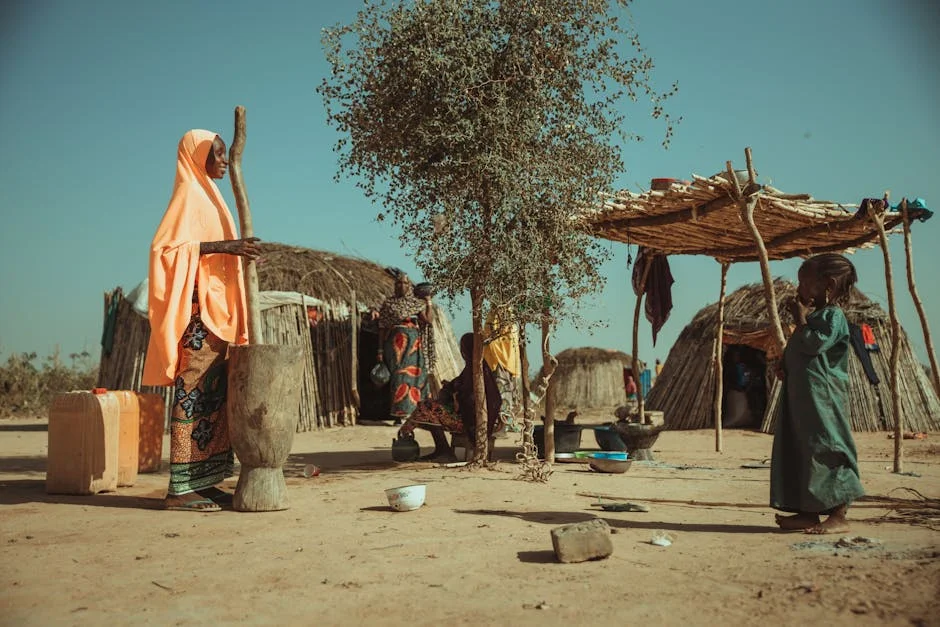
With the continent facing a projected humanitarian funding gap of approximately $10 billion for 2024, the AU aims to streamline efforts and reduce overlap in aid initiatives. The platform will facilitate regular meetings and reporting mechanisms to ensure timely responses to emerging crises.
Economic Implications of Improved Coordination
Investors are keenly observing how this new platform will impact market stability in the region. Efficient humanitarian responses can mitigate the adverse effects of crises on local economies, which often face disruptions during disasters. By improving coordination, the AU hopes to not only save lives but also protect vital economic infrastructures.
For businesses operating in affected areas, a more aligned response can lead to quicker recovery times and less volatility. This is crucial for sectors like agriculture, which has been particularly vulnerable to climate-related shocks.
Support from Global Partners


The AU's Humanitarian Coordination Platform has received backing from several international organisations, including the United Nations and the European Union. Their support includes funding and technical expertise, aimed at ensuring the platform's success.
According to AU officials, increased collaboration with global partners can attract more investment into Africa, particularly in infrastructure projects that enhance resilience against future crises.
Potential Challenges Ahead
Despite these positive developments, challenges remain. Some member states have historically struggled with implementing coordinated humanitarian responses, often due to political instability or lack of resources. The AU must now ensure that all countries participate actively in the platform.
Critics also warn that without adequate monitoring and accountability measures, the platform may not achieve its intended objectives. Ensuring transparency will be key to maintaining trust among stakeholders.
Investors Watch for Future Developments
Investors should keep an eye on how the AU integrates this platform into its broader policy framework. The effectiveness of the platform may significantly influence foreign investment decisions, particularly in sectors tied to humanitarian aid and infrastructure development.
As the AU rolls out this initiative, businesses and investors will be looking for indicators of success, such as improved aid delivery times and better resource allocation.
What’s Next for the African Union?
Looking ahead, the AU plans to hold a follow-up meeting in early 2024 to assess the platform's progress and gather feedback from member states. Stakeholders will be keen to see if the platform can deliver tangible results in addressing the continent's humanitarian challenges.
As the situation evolves, markets and investors will need to stay informed about how these developments may reshape Africa’s economic landscape in the coming months.
See Also
- Gauteng Stray Bullet Crisis: How Violence Is Draining Business Confidence
- SA Regulators Crack Down on Fake Drugs — Markets React
The effectiveness of the platform may significantly influence foreign investment decisions, particularly in sectors tied to humanitarian aid and infrastructure development.As the AU rolls out this initiative, businesses and investors will be looking for indicators of success, such as improved aid delivery times and better resource allocation.What’s Next for the African Union?Looking ahead, the AU plans to hold a follow-up meeting in early 2024 to assess the platform's progress and gather feedback from member states. Their support includes funding and technical expertise, aimed at ensuring the platform's success.According to AU officials, increased collaboration with global partners can attract more investment into Africa, particularly in infrastructure projects that enhance resilience against future crises.Potential Challenges AheadDespite these positive developments, challenges remain.