South Africa's automotive industry received a surprising twist when the 2026 Car of the Year award went to a vehicle from a Chinese manufacturer. This landmark choice, revealed at the annual awards ceremony in Johannesburg, reflects significant shifts in consumer preferences and market dynamics within the country's automotive sector.
Chinese Vehicle Triumphs in South Africa
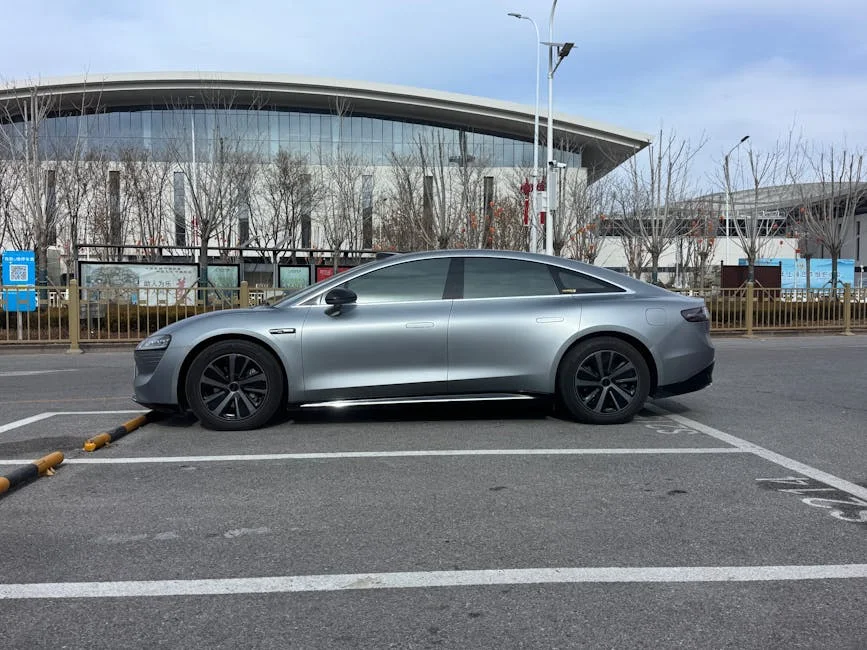
On Wednesday, the South African Car of the Year Committee announced the winner of the prestigious 2026 award. The honour went to the Changan Uni-T, a compact SUV that has rapidly gained popularity since its launch. This decision marks a notable shift, as it is the first time a Chinese brand has secured this accolade in South Africa.

The Changan Uni-T impressed judges with its innovative design, advanced technology, and competitive pricing, which starts at R399,000. With its robust features and affordability, the vehicle stood out among more familiar brands like Toyota and Volkswagen, traditionally dominating the local market.
Market Implications for South Africa's Automotive Sector
The victory of a Chinese vehicle could have far-reaching implications for South Africa's automotive market. With local consumers increasingly considering imported options, the win signifies a growing acceptance of foreign brands in a sector long dominated by European and American vehicles.
Industry analysts predict that this shift could stimulate competition, prompting established manufacturers to enhance their offerings to retain market share. The entry of new players may lead to price adjustments and increased innovation in vehicle features, ultimately benefiting consumers.
Impact on Local Manufacturers and Employment


While the success of the Changan Uni-T is celebrated, it raises concerns among local manufacturers. Established firms such as Ford and BMW may feel pressured to adapt their strategies in response to the changing landscape. This could lead to potential job losses if companies cannot compete effectively.
In contrast, increased competition may spark collaboration opportunities. Local firms might seek partnerships with foreign manufacturers to leverage resources and technology, creating a more integrated automotive industry.
Investment Opportunities for Stakeholders
Investors should note the evolving dynamics within South Africa’s automotive sector. With rising interest in electric vehicles and sustainable technologies, investment in companies that adapt to these trends could yield significant returns. The trend reflected by the Changan Uni-T might encourage more manufacturers to explore cutting-edge technologies and eco-friendly options.
Furthermore, the success of Chinese brands in South Africa could potentially increase foreign direct investment (FDI) from China into the local market. As Chinese firms look to expand, local suppliers could benefit from increased demand for components and services.
Consumer Trends and Buying Behaviour
The Changan Uni-T’s recognition could be a pivotal moment in influencing consumer purchasing decisions. South African buyers are becoming more price-sensitive and quality-conscious, often seeking value without compromising on features.
With this award, consumers may become more familiar with Chinese brands, changing perceptions and leading to increased sales. Market research indicates that younger buyers, particularly, are open to diverse options, valuing modern technology and affordability over traditional brand loyalty.
What’s Next for South Africa’s Automotive Future?
The implications of South Africa's 2026 Car of the Year announcement extend far beyond the immediate market. As local manufacturers reevaluate their positions, consumers adjust their preferences, and foreign investments potentially increase, the landscape of the automotive industry is poised for transformation.
Looking ahead, stakeholders should watch how established companies respond to the changing market dynamics. Upcoming car shows and industry events will offer insights into strategic shifts and innovations as manufacturers aim to capture the attention of a diversifying consumer base.
See Also
- Transport Minister Ganesh Kumar Exposes Rahul Gandhi's Election Promises — What It Means for South Africa
- Xi Jinping Meets Taiwanese Opposition Leader for First Time in a Decade