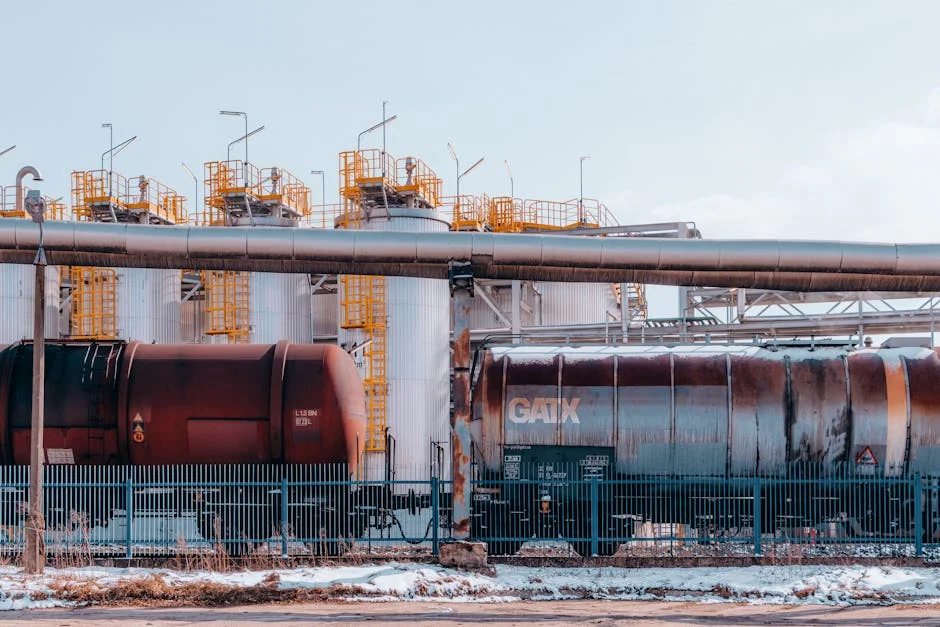
OPEC+ producers have confirmed they will maintain their current output quotas despite the United Arab Emirates increasing its daily production target. This decision stabilizes the global supply chain but introduces new competitive pressures for major exporters like Saudi Arabia. Investors in Johannesburg are watching these moves closely as they directly influence fuel costs and inflation data.
The announcement comes after weeks of speculation regarding how the group would handle the Emirates' gradual increase in output. The cartel’s ability to stick to the plan signals a disciplined approach to managing global crude supplies. This discipline is crucial for maintaining price stability in a volatile economic landscape.
Market Reaction and Price Stability
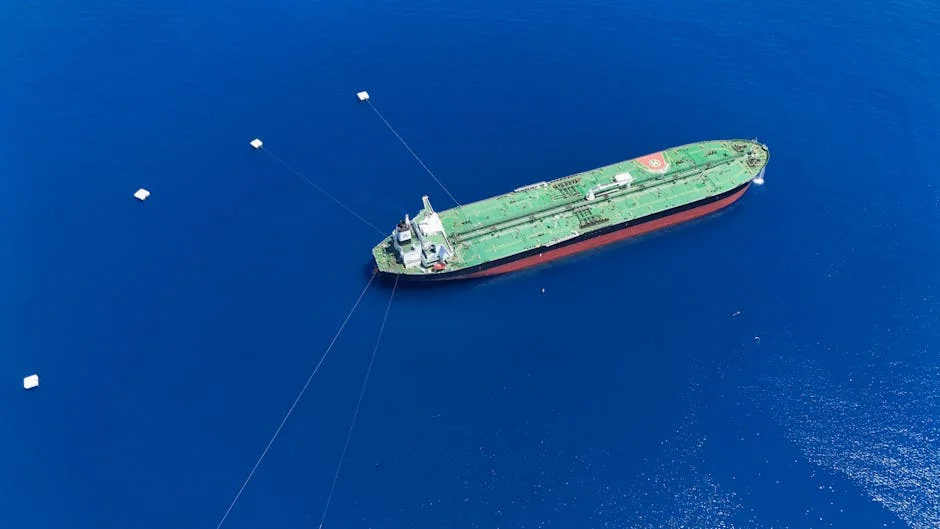
Global oil markets responded with cautious optimism to the OPEC+ decision. Brent crude prices held steady, reflecting confidence that the cartel can manage supply without triggering a price war. The immediate reaction shows that investors value predictability over sudden surges in production volume.
Analysts note that the UAE’s increase is structured to be absorbed by the rest of the group. This means that while the Emirates pumps more oil, other members like Saudi Arabia may adjust slightly to compensate. The net effect on global supply is minimal, which helps keep prices within a manageable range for importers.
This stability is vital for economies that rely heavily on energy imports. For South Africa, a consistent oil price helps control transport costs and manufacturing expenses. Volatile energy prices often lead to higher consumer prices and reduced purchasing power.
Implications for the South African Economy
The decision by OPEC+ has direct consequences for the South African Rand and local inflation rates. When oil prices stabilize, the central bank in Pretoria has more flexibility in setting interest rates. This can lead to a stronger currency and lower borrowing costs for businesses across the continent.
Energy Costs and Inflation Control
South Africa imports a significant portion of its crude oil, making it sensitive to global supply decisions. The UAE’s increased output helps prevent a supply shortage that could drive prices up sharply. This is a positive development for the South African Reserve Bank, which is fighting to bring inflation down to target levels.
Businesses in the logistics and manufacturing sectors are particularly affected by fuel prices. Stable oil prices mean that transport costs remain predictable, allowing companies to plan budgets more effectively. This predictability is essential for maintaining profit margins in a competitive market.
Consumers also benefit indirectly through lower fuel prices at the pump. When fuel costs do not spike, the pressure on household budgets eases. This can lead to increased consumer spending, which is a key driver of economic growth in South Africa.
Saudi Arabia’s Strategic Position


Saudi Arabia plays a pivotal role in balancing the OPEC+ agreement. As the largest producer, its ability to adjust output helps accommodate the UAE’s increase without flooding the market. This strategic flexibility reinforces Saudi Arabia’s position as the de facto leader of the oil cartel.
The Kingdom’s willingness to absorb some of the supply increase demonstrates a commitment to long-term stability. This approach helps maintain good relations with the UAE, which is crucial for the broader economic and political ties within the Gulf region. Strong Gulf unity can influence global energy policies significantly.
For international investors, this coordination reduces the risk of sudden policy shifts. A unified front among OPEC+ members provides a clearer picture of future supply trends. This clarity allows for more informed investment decisions in the energy sector.
Investment Perspective and Future Outlook
Investors should monitor the upcoming OPEC+ meetings for any further adjustments to quotas. The current agreement is a test of the cartel’s ability to manage internal differences while responding to external demand. Success in this regard could strengthen the group’s influence on global markets.
The impact on emerging markets like South Africa will depend on how well the cartel maintains this balance. If oil prices remain stable, emerging market currencies may continue to strengthen against the US dollar. This trend could attract more foreign direct investment into these economies.
Businesses should prepare for a period of relative price stability but remain vigilant for any geopolitical shocks. The Middle East remains a dynamic region, and any unexpected event could quickly alter the supply dynamics. Diversifying energy sources and hedging against price fluctuations are prudent strategies.
The next key date to watch is the upcoming OPEC+ ministerial meeting, where officials will review the implementation of the current quotas. This review will provide insights into whether the current strategy is working or if further adjustments are needed. Investors and policymakers alike will be looking for signals of continuity or change.